Mt. Fuji Five Lakes Region (Special Section)
One hour and 40 minutes drive from Tokyo
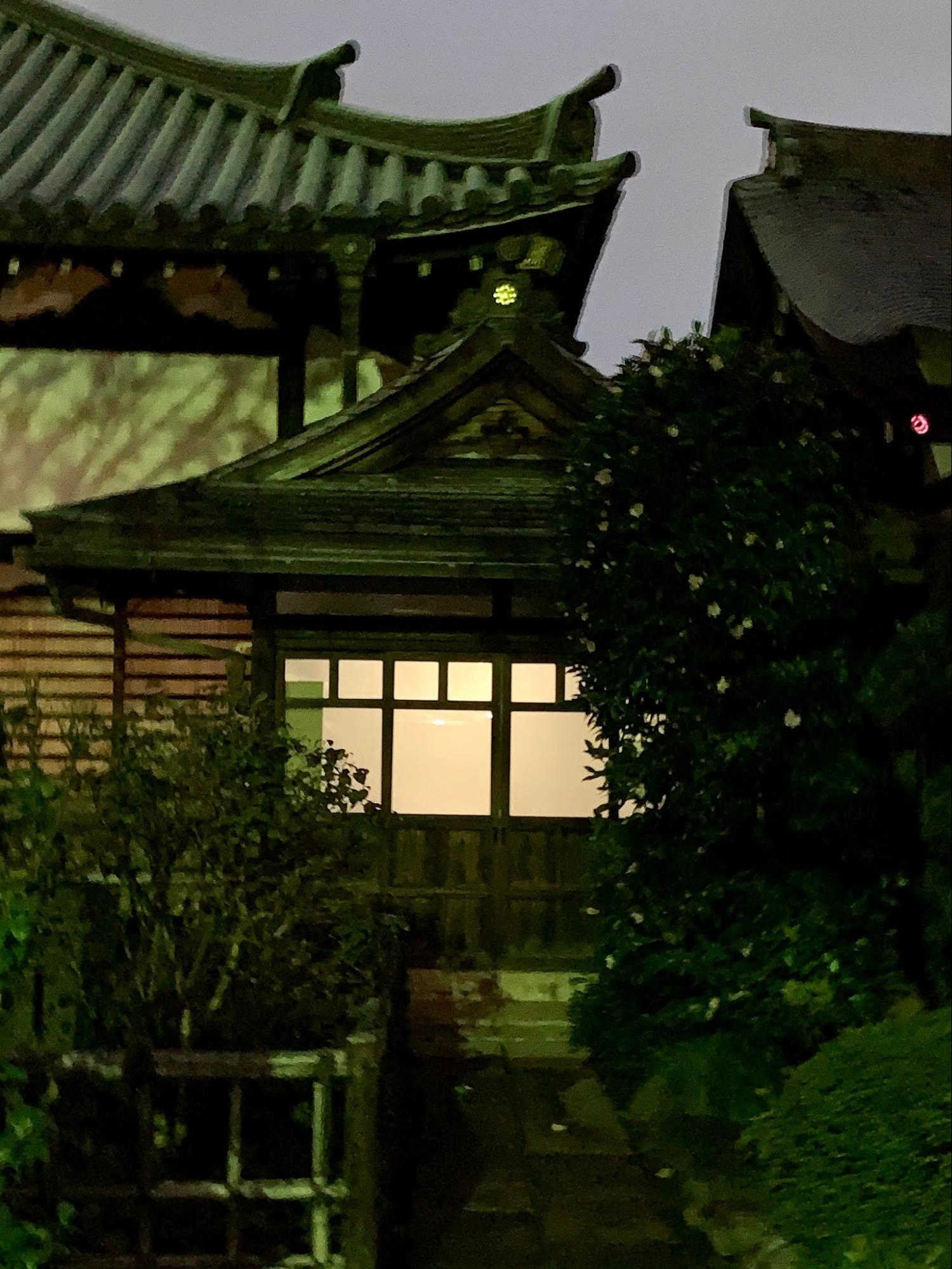
In the summer of 2020, with the Coronavirus situation in full swing, and working from home the new normal, we decided to rent a cabin in this area on the north side of Mt. Fuji. We’re glad that we did! We were amazed by the beauty and plentiful things to do that kept us busy over several months. Our favorite activities were catching different and constantly changing views of Mt. Fuji depending on weather and light conditions, biking and walking around the lakes, playing tennis, hiking to waterfalls and more views of Fuji, exploring local restaurants, cafes and museums, & enjoying quiet evenings under the stars.
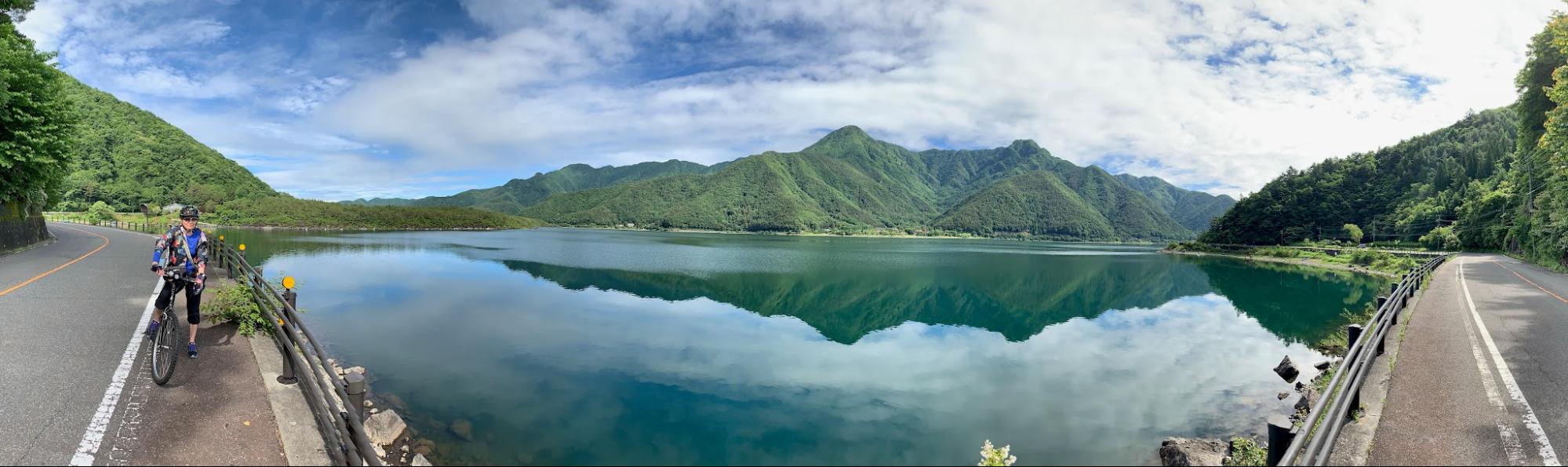
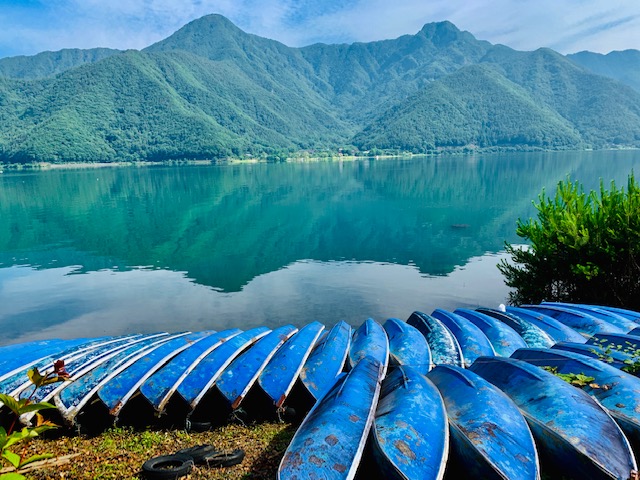
The Fuji Five Lakes region comprises Yamanaka, Kawaguchi, Saiko, Shoji and Motosu lakes. We rented a cabin at Lake Saiko so got to know this lake the best.
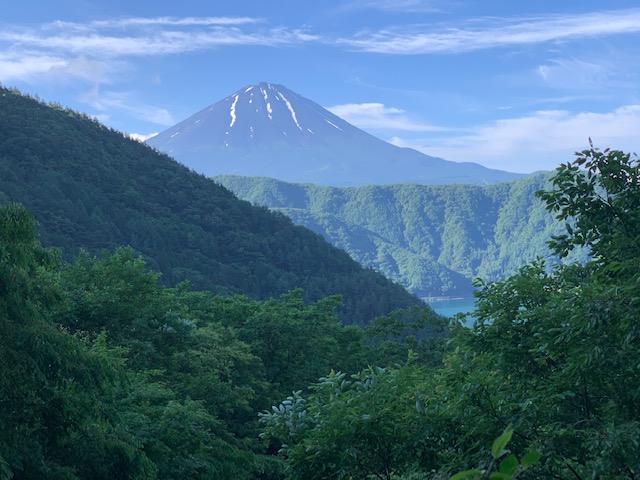
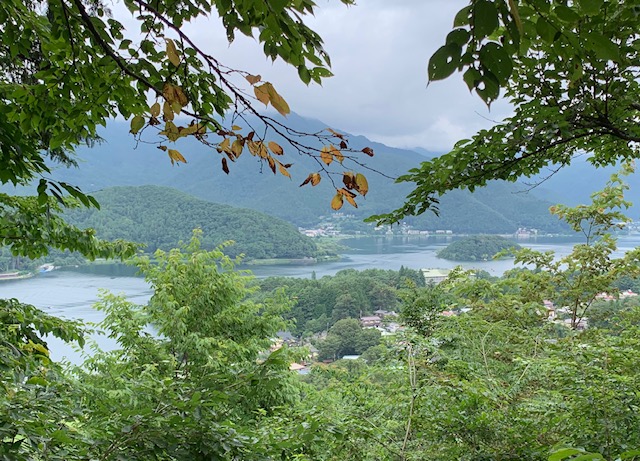
At 900 meters, it was a bit higher (and cooler) than the more developed Kawaguchi Lake (830 meters). You can walk around the 10km perimeter in about 90 minutes with fabulous views of Mt Fuji from the northeast side of the lake and beautiful views of Mt. Junigatake from the south side of the Lake (the blue water and steep green mountains around Lake Saiko reminded us of the Nepali coast of Kauai).
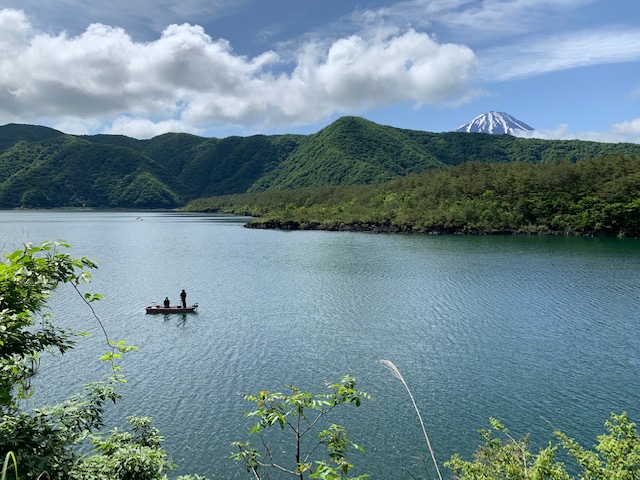
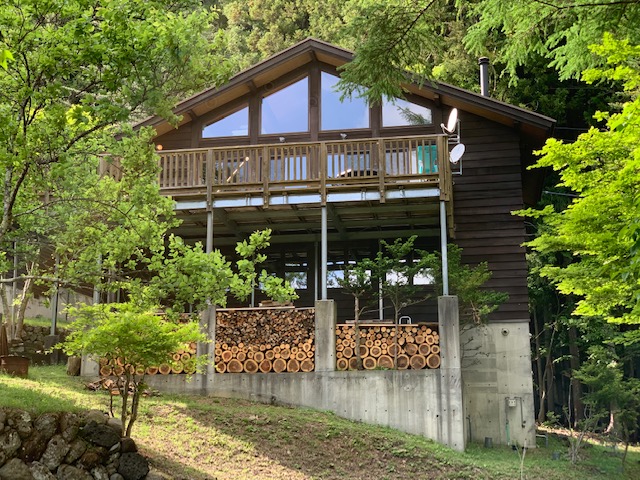
Highlights of Lake Saiko include Iyashi no Sato open air museum and traditional craft village, hiking trailheads for the famous (for good and bad reasons) 30 square kilometer Aokigahara Jukai Forest (Sea of Trees), lots of fishing spots including the opportunity to catch (and release) the Japanese kunimasu trout (only place in the world where this species of trout still exists), several caves created by past eruptions that can be explored including the Saiko Bat, Ice and Wind Caves, and plentiful campgrounds including PICA Fuji Saiko campground. Our favorite place to stop for breakfast/lunch along the lake was the Sun Lake Restaurant. For accommodations, we highly recommend Weekend-House Lake Saiko from whom we rented a cabin for the summer.
The owner and property manager are delightful. They have several cabins located at two different locations on the north side of the lake that can be rented for the weekend, week, or month. Here is a link to a video of a short hike behind the cabins to a great Mt. Fuji view, here is another video of the same hike taken with drone footage.
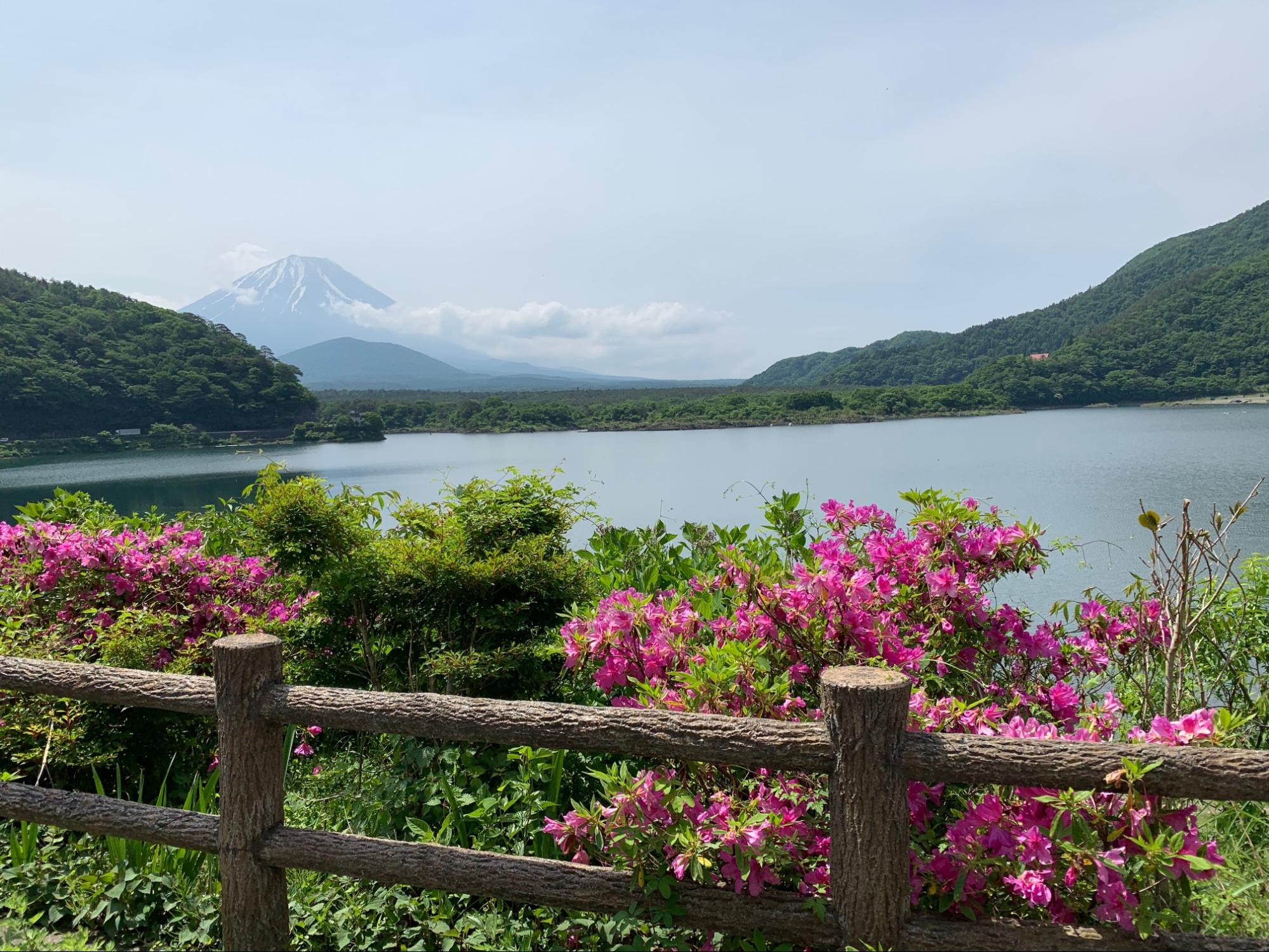


Our experience of Lake Shoji, the smallest of the five lakes, and Lake Motosu, the deepest and western most of the five lakes (and the remote lake featured on the back of the 1000 yen bill), came primarily from bike rides and picnic outings. Both lakes have spectacular full views of nearby Mt Fuji, ample water sports activities (fishing, sailing, kayaking). A great bike ride is combining Saiko, Shoji and Motsu into one 30 mile loop ride. Here is a link to a video of that loop ride, which provides an overview of what you can expect to see around the 3 lakes. To see this day mapped out in a Google Earth Project copy this link and paste it into a Chrome browser, or open it on a mobile phone. Use presentation mode and be sure to click on the white arrow in the blue circle in each location to “fly above” each location in Google Earth.

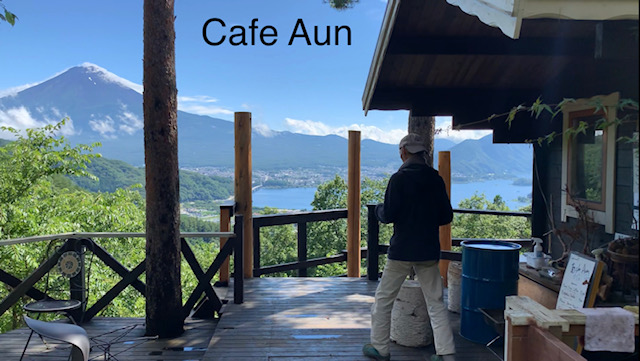
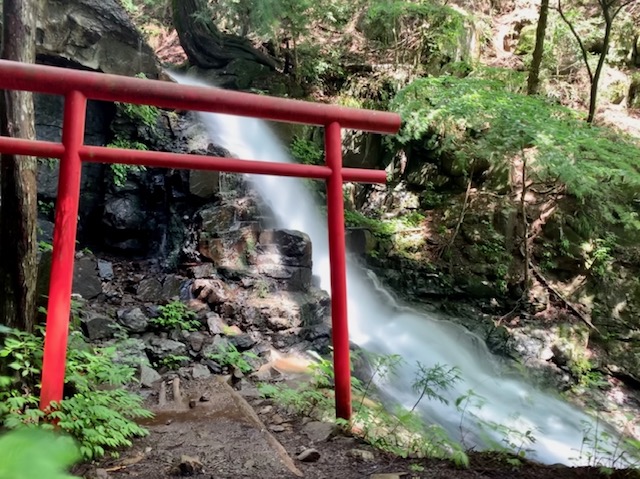
Lake Kawaguchi is the most developed of the Fuji Five Lakes, and there is lots to do and see around the lake’s 20 km perimeter. We highly recommend taking a full day to bike around the lake so you have the freedom to stop and linger at different spots along the way. Lake Kawaguchi is also the most accessible lake with direct train and bus connections from Tokyo if you don’t have a car. The best views of Mt Fuji are from the north side of the lake. We typically started our ride on the western side of the lake (closest to Lake Saiko) and then went around counterclockwise with the lake on our left. Notable stops along the way in order include Gris Cafe (great place to stop for breakfast/lunch - really like their croissant sandwich), Fuji Omuro Sengen Shrine, Yagizaki Park (great panoramic views of lake and Mt. Fuji), Asama Shrine, including its associated Haha no Shirataki waterfalls (the views of Mt. Fuji and the lake from Aun Cafe at the waterfall parking lot might be one of the best views in the region), and Oishi Park (best photo ops of Fuji with flowers in the foreground, several restaurant choices).
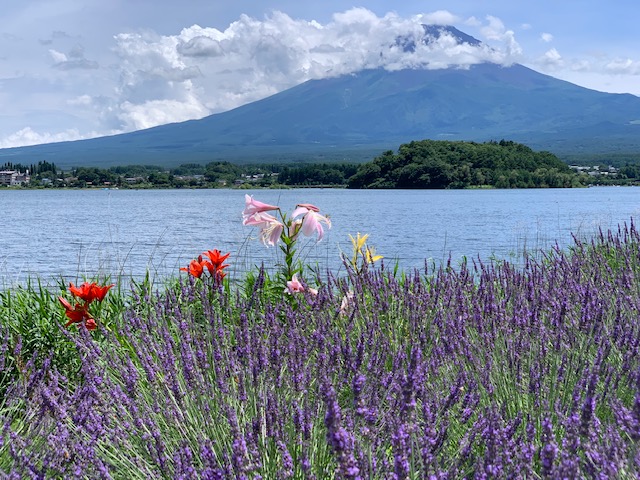
Here is a video of what to expect to see on a bike ride around Lake Kawaguchi. To see this day mapped out in a Google Earth Project copy this link into a Chrome browser or open it on a mobile phone. Use presentation mode and be sure to click on the white arrow in the blue circle in each location to “fly above” each location in Google Earth.
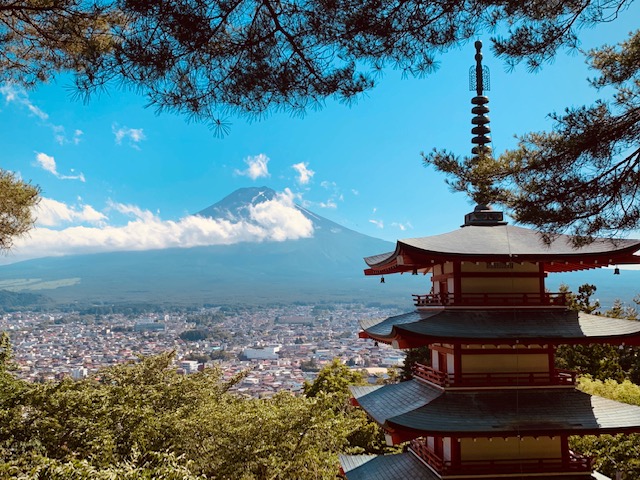

A nice photo op of Mt Fuji with a Japanese pagoda in foreground is the Chureito Pagoda at Arakurayama-Sengen Park.
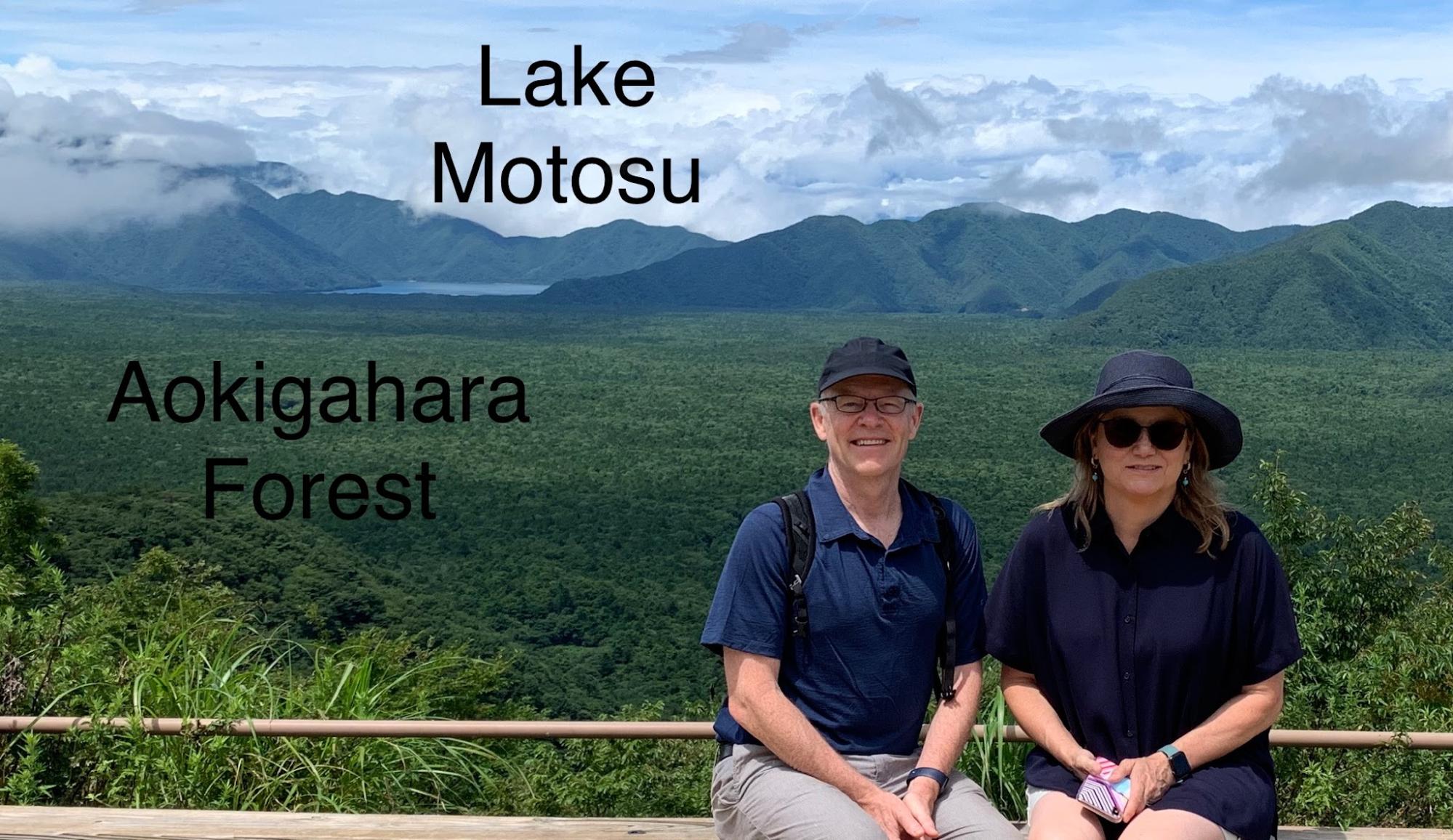
For great views of the Mt Fuji and the Fuji Five Lakes check out Koyodai Observation Deck, which is located on the top of Koyodai Mountain, one of the smaller mountains on the south side of Lake Saiko. The mountain is famous for and named after its autumn colors (koyo). The Koyodai Observatory is accessible in an easy 30 minute hike from the nearest bus stops, and offers excellent views of Mount Fuji, Aokigahara Forest, Lake Saiko and Lake Motosu from a paid observation deck. It is also accessible by car via an unpaved road that was a bit dicey when we drove up at the tailend of the rainy season. About a 15 minute hike from the observatory heading south is another viewpoint platform called Sankodai that looks down on Lake Saiko and also has great views of Lake Motosu and the forest. Another 50 minutes of hiking from here gives you access to the summit of Mt. Ashiwada that has views of Mt. Fuji and all Five Fuji Lakes. Here is a video of what to expect to see from the Koyodai observation deck and Sankodai viewpoint. If you only have an hour for a short hike to a great view of Lake Kawaguchi, consider hiking up to the Haneko Summit Viewing Platform. If you have the time and motivation, you can also continue on from here to a much longer hike to the summit of Mt. Ashiwada.
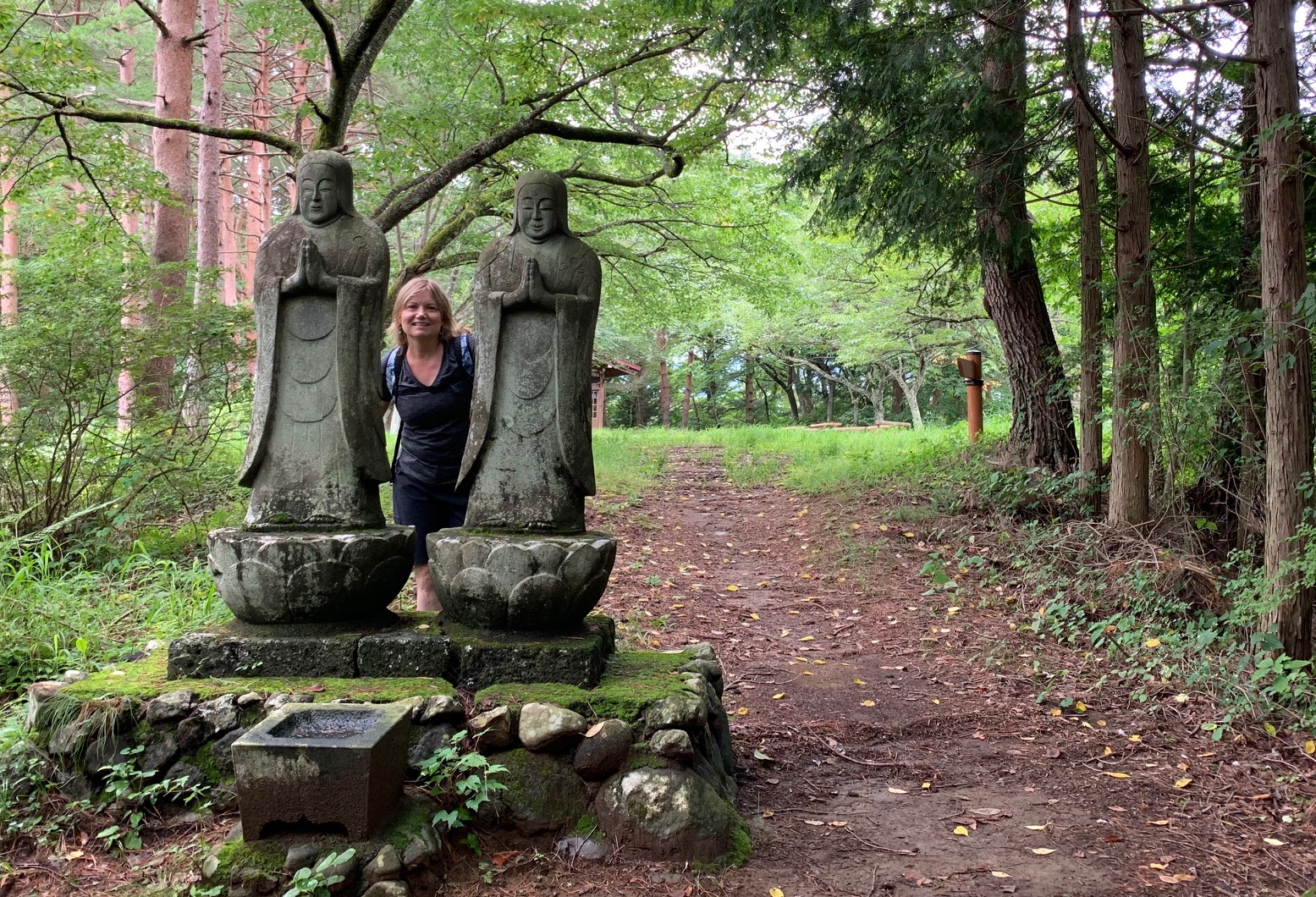

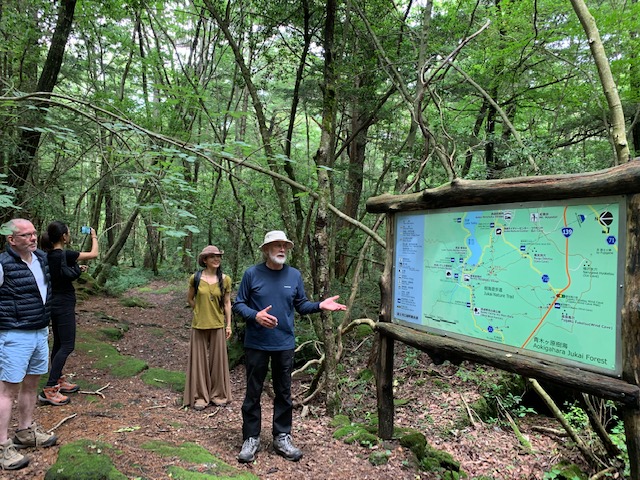
If you are looking for a local English speaking guide who has lived in the Mt. Fuji area for almost 20 years, we recommend you reach out to Chris at Hidden Japan Tours. Chris and his wife, Yumi, provide a variety of planned and custom tours that give visitors access to the best that the region has to offer from hikes around the region's lakes and forests, visits to caves, waterfalls, shrines & other sacred sites, and bike/kayaking tours. We had an opportunity to do a short hike through the Aokigahara Forest with Chris and Yumi, and were very impressed with their knowledge of the region's geological history, the local flora and fauna, and willingness to cover just about any topic on the region that you may be interested in. They are also a fount of information about local restaurants, shopping options, and the many tourist attractions in the Five Lakes area.
If you want to do some serious shopping, check out Gotemba Premium Outlets, which is about a 40 minute car ride from Kawaguchiko (great Fuji views with all your favorite brand outlets selling discounted merchandise, lots of restaurant choices).

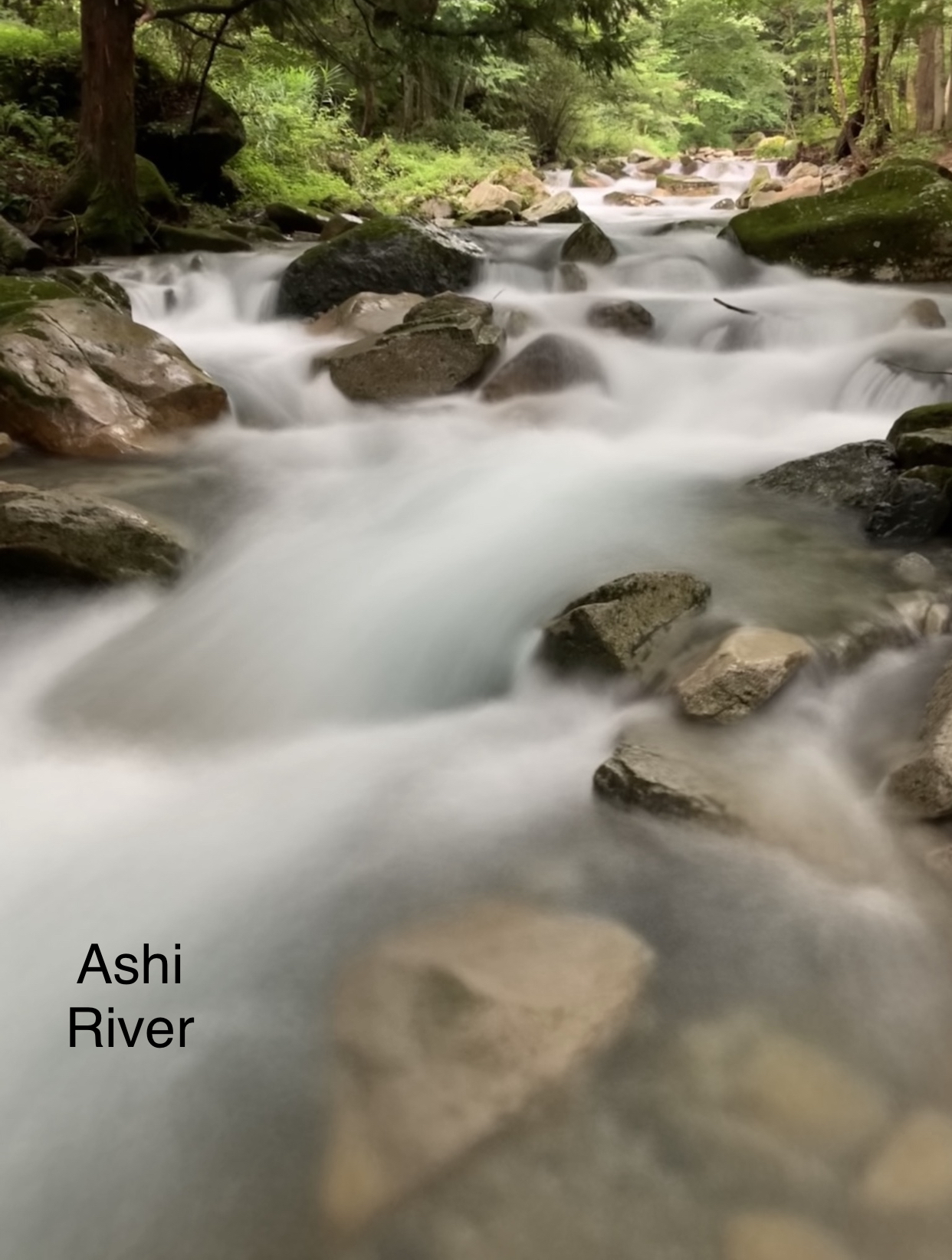
Favorite restaurants around Fujikawaguchiko include Moose Hills Burger (best hamburger and fries in the area but can get crowded), 38 Kawaguchiko (order the grilled chicken with tomato sauce dish), Yam Cafe for delicious (and very fresh) Thai food, Shaw's Sushi Bar (US style sushi rolls!), and our favorite place to stop for lunch on bike rides around Kawaguchiko, Cafe Mimi, which has outdoor seating next to the lake, views of Fuji and set menus (including sandwich, currey or pasta sets). For noodles and tempura in an outdoor setting along a beautiful mountain river try Kawazashiki Suzuran, which is situated along the banks of the Ashi River located just outside of Kawaguchiko on the other side of the Wakahiko tunnel. It’s open only on weekends.
Lake Yamanaka is the largest of the five Fuji lakes, and the second most developed. Its 15 km perimeter is shaped like a whale when seen from the air. It is also the closest lake to Mt. Fuji. The Yamanakako panoramic viewing platform provides a great view of the lake and Mt. Fuji. Here is a short summary of fun things to do at Lake Yamanaka. As of this writing, we haven’t had a chance to visit the lake yet.
For a view of the Fuji Five lakes from high above, see the video here that was taken with a drone. It provides views from above of many of the Fuji Five Lakes locations highlighted earlier. Stand Up Paddle Boarding is quite popular on the local lakes. We ended up getting an inflatable paddle board that makes it easy to transport in the car. See video here of the paddle board experience on Lake Saiko.
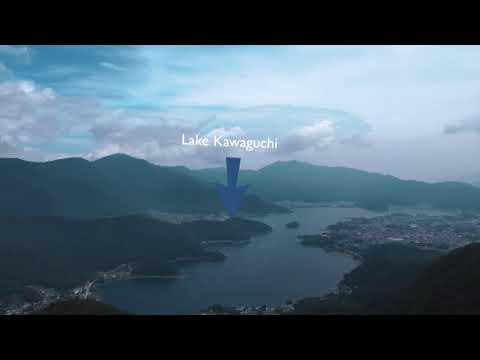

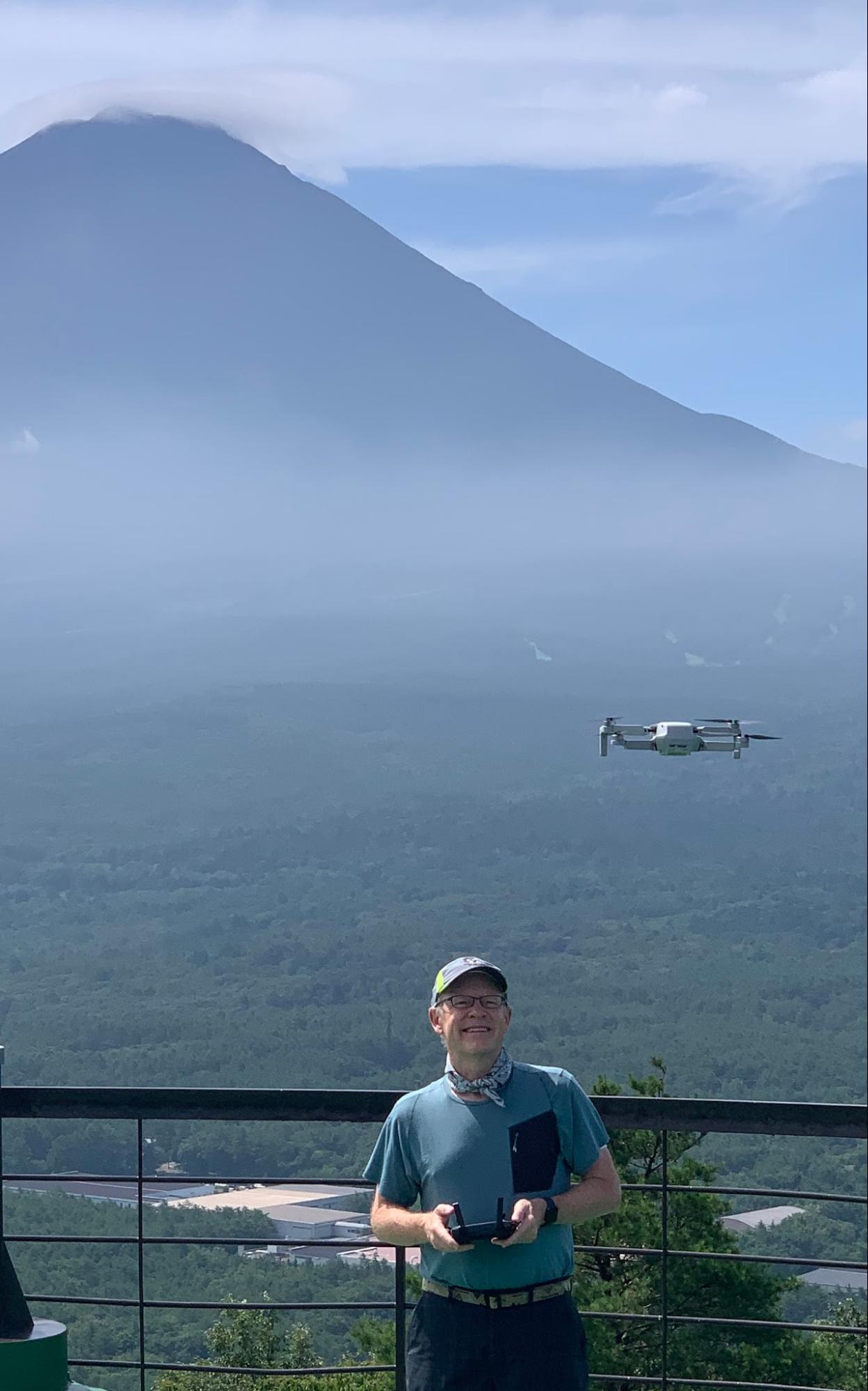
In the last week of our summer stay in the Fuji Five Lakes region we were lucky to see the first snow of the season on Mt. Fuji (28 days earlier than the prior year). It was a clear day so I hiked up Mt. Juni-gatake behind our cabin to get a clear view of Mt. Fuji. In addition to seeing Fuji, I had a clear view of the Fuji Five Lakes and Jukai (sea of trees) at the base of Mt. Fuji. Here is a video that includes drone footage high above the lakes.

Kyoto Overview & Two-Day Itinerary
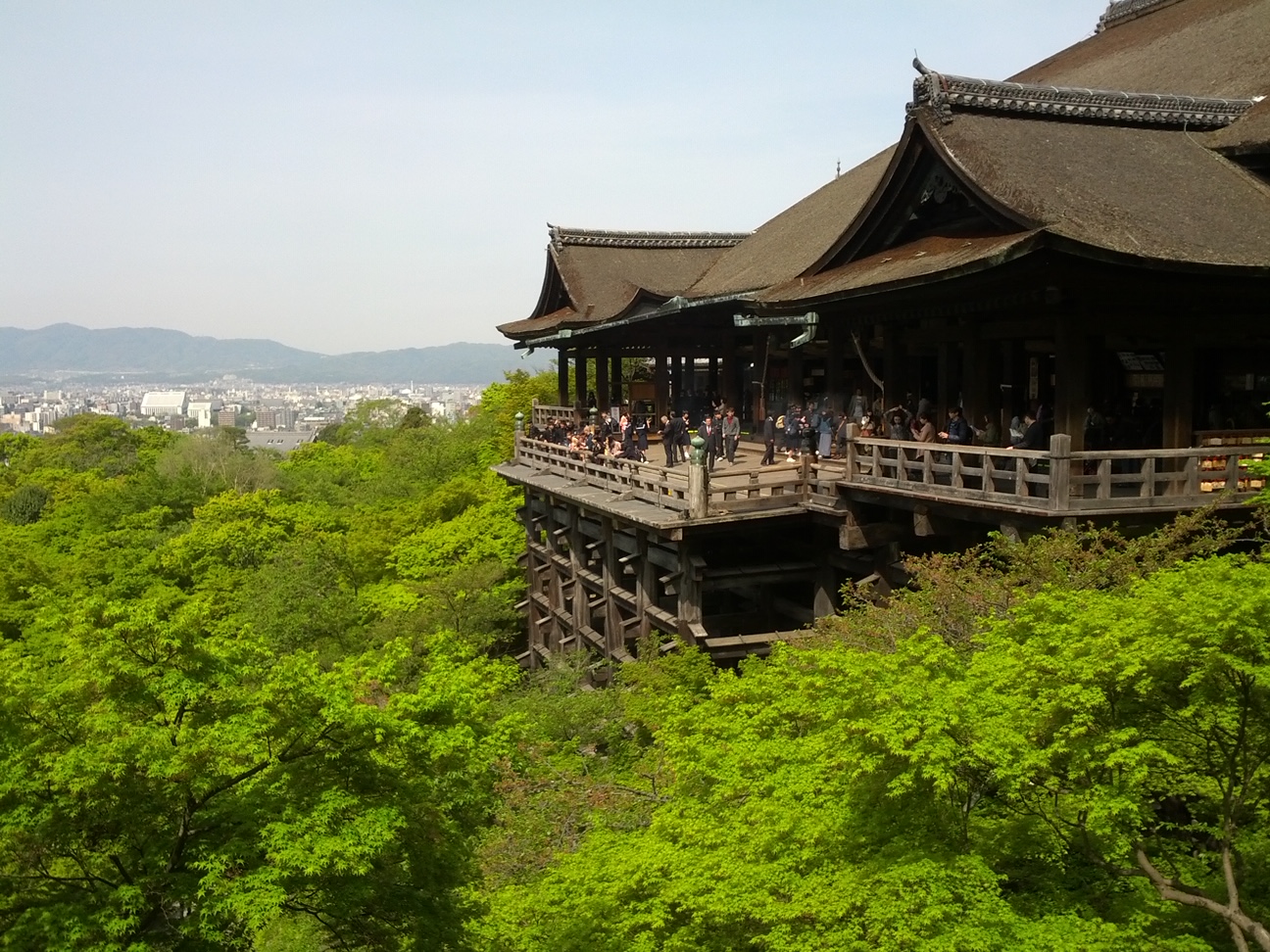
Tokyo is Tokyo. Kyoto is real Japan. Spend as much time here as possible. The top tourist sites (Kiyomizu-dera, Kinkaku-ji) are must-sees, but are always extremely crowded. We recommend going to these sites first thing in the morning to beat crowds. In the fall (from late-October or mid-November), many of the sites have special lighting in the evening hours -- 5 p.m. till about 9:30 p.m. ... we saw Kiyomizu-dera this way and it was spectacular ... but still very crowded. (Check tourism websites for other sites in the city that are lit up at night.)
Spend time wandering into lesser known temples and shrines to get a real feel for the way these spaces are designed to be experienced. A central and totally under-rated site is Kennin-ji near Gion. We love the architecture and mood of this place -- it is quiet and meditative even in the height of tourism crazy season. If you like dragon paintings, be sure to check out the ones on the ceiling of the annex building here. Here is a helpful, concise overview of Kyoto from National Geographic.
First Day (in order)
This itinerary is walkable from beginning to end. If you are interested in warrior statues, start at Sanjusangendo (adjacent to Hyatt) and proceed to Chishaku-in from there. From Kiyomizu-dera to Heian Shrine, you will walk along a series of very picturesque lanes lined with shops, restaurants and temples… if your time is short, we recommend starting at Kiyomizudera and proceeding on this route from there. Another option: after visiting Heian Shrine walk east to the southern starting point of the Philosopher’s Path and walk north along this canal-side path to Ginkakuji (the Silver Pavilion).
- Chishaku-In Temple - We went here early on my first day in Kyoto. Large, beautiful temple and there were only a handful of people there.
- Kawai Kanjiro’s house - (traditional home of a famous ceramic artist maintained as a museum)
- Kiyomizudera (temple on the hill) - on this trip we skipped this during the day and came back after dinner to see it lit up at night - fantastic, but only at certain times of year.
- Entoku-In Temple (small one)
- Shoren-In (here)
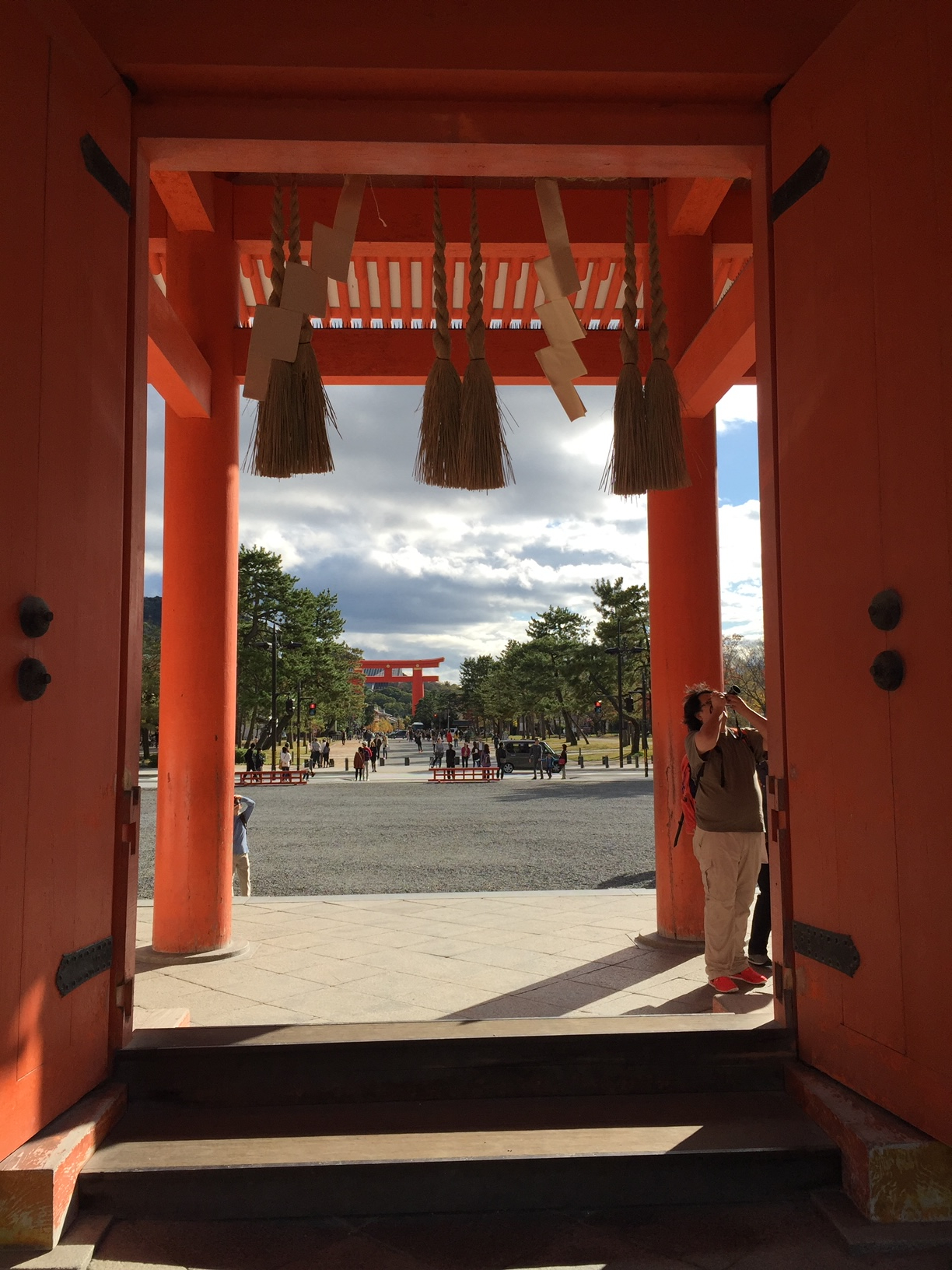
- Heian Shrine - The main courtyard of this large, bright orange shrine is dramatic, but don’t miss the garden. To access the garden, go to the far left corner of the courtyard, pay a small fee, and proceed on the path. The garden walk takes about 30 minutes. Depending on the season you may see meticulously cultivated irises, fall foliage or snow-covered bridges and rooftops.
Second Day (in order)
Arrive as early in the morning as you can manage at Kinkakuji, as it get VERY crowded as the day progresses. Best to do this on your sunniest day, as the Golden Pavilion really glows in the sunshine. We usually take a taxi to get here to save time, though it is a little far from the center. From Kinkakuji to Ryoanji and Ryoanji to Arashiyama take taxis… the rest is walkable. To get back to Kyoto Station take the very nice and quick train from Saga Arashiyama Station (there are three different train lines that have their terminus in Arashiyama -- be aware of this when planning your itinerary).
- Kinkakuji (the Golden Pavilion)
Kinkaku-ji (The Golden Pavilion) in Kyoto - Ryoanji Temple (most famous Zen rock garden in the world)
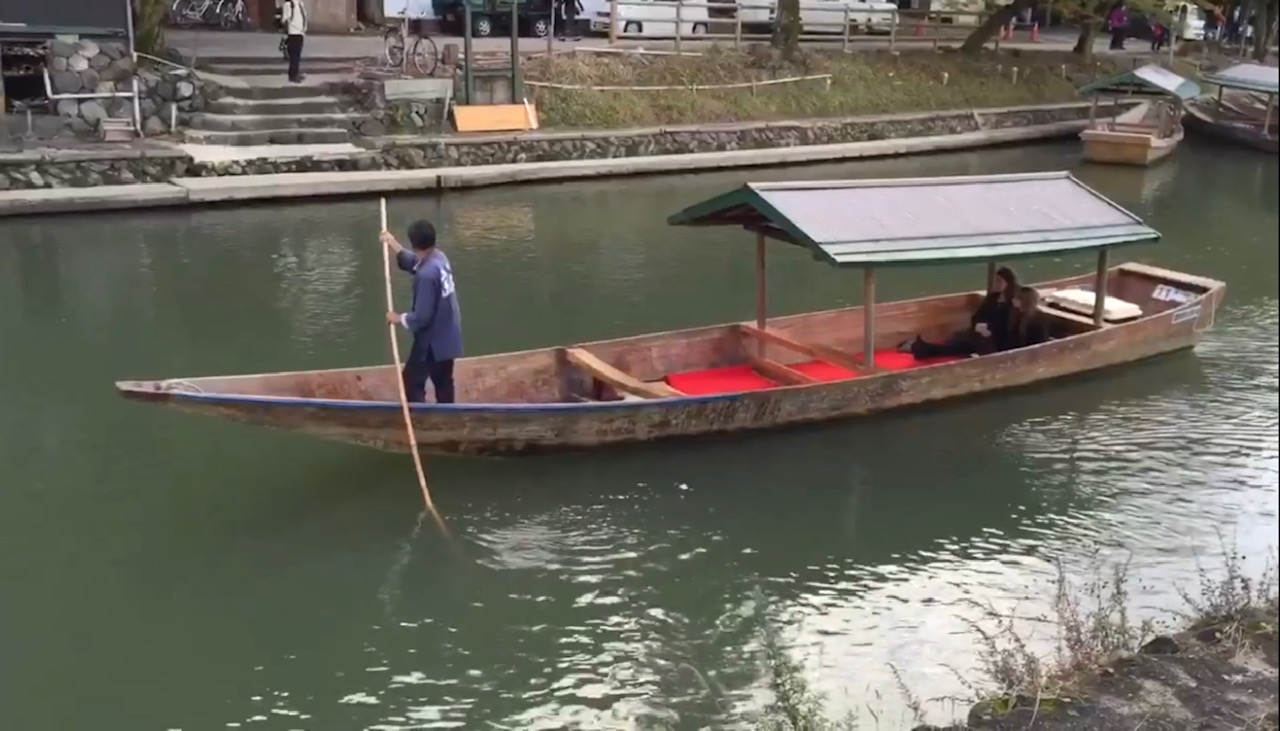
- Arashiyama Bridge + Hozu River (here) - requires a taxi ride (17 minutes) from Ryoanji Temple to get over to the west side of Kyoto.
- Okochi Sanso Villa - 1,000 yen gets you into this incredible private garden and the admission fee includes a tea service. Highly recommend.
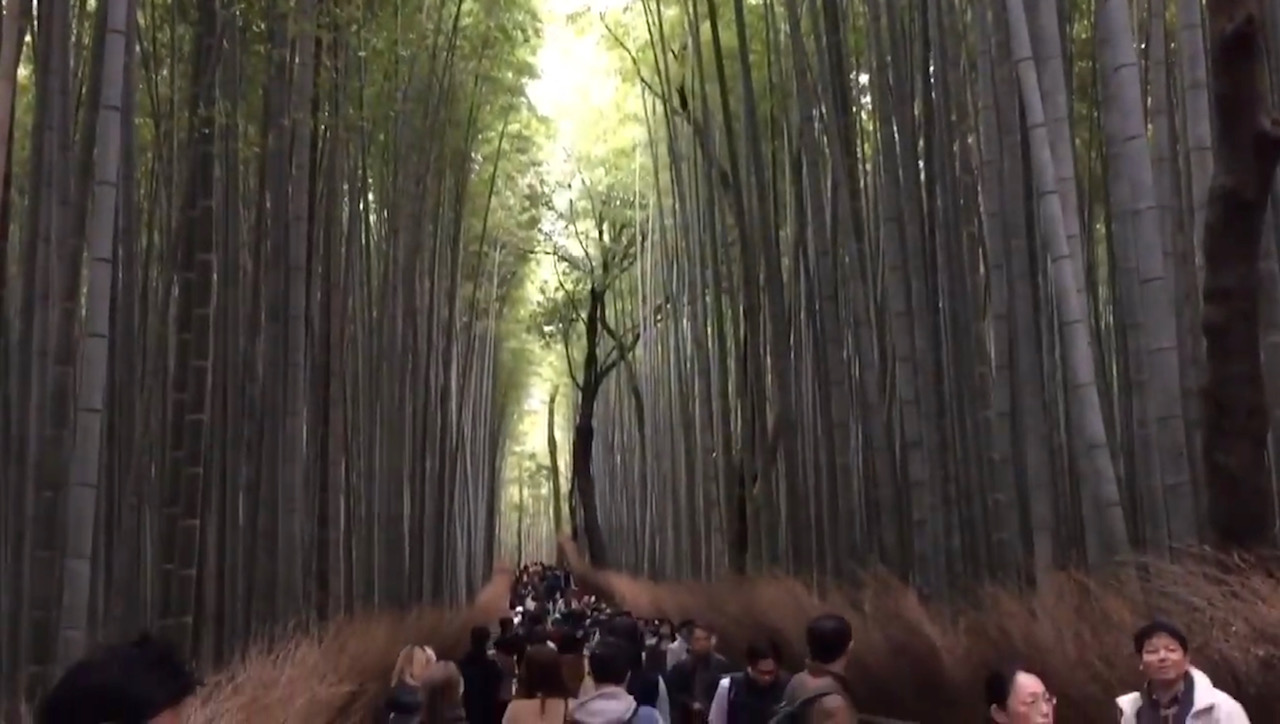
- Bamboo Forest Path (here and here)
- Tenryuji World Heritage Site (here)
- Watch a recent video of Kyoto here to see most of the places in Kyoto mentioned above for the 2 day tour.
 Video: Kyoto 2-Day Highlights — Kinkakuji, Ryoanji & Arashiyama Open on YouTube ↗
- Another option for sightseeing around Kyoto is to rent bikes for the day (we recommend electric bikes - because they are fun and help on the hills!). We have rented electric bikes at both Kyoto Eco Trip Rental Bicycles and J-cycle - you can rent an electric bike for the day for less than $20, and it’s a great way to get around to lots of different temples and shrines in a short period of time. Reserving bikes in advance is suggested. We also recommend spending time on bike paths along the Kamo River and Katsuragawa River. Here is a link to a video of what it’s like to bike around Kyoto.
 Video: Biking Around Kyoto Along the Kamo & Katsuragawa Rivers Open on YouTube ↗
Other Interesting Places in Kyoto
- Daitoku-ji (temple complex in the northwestern part of the city)
- Sanju-Sangendo - Museum of warrior statues (near Chishaku-In and the Hyatt Regency)
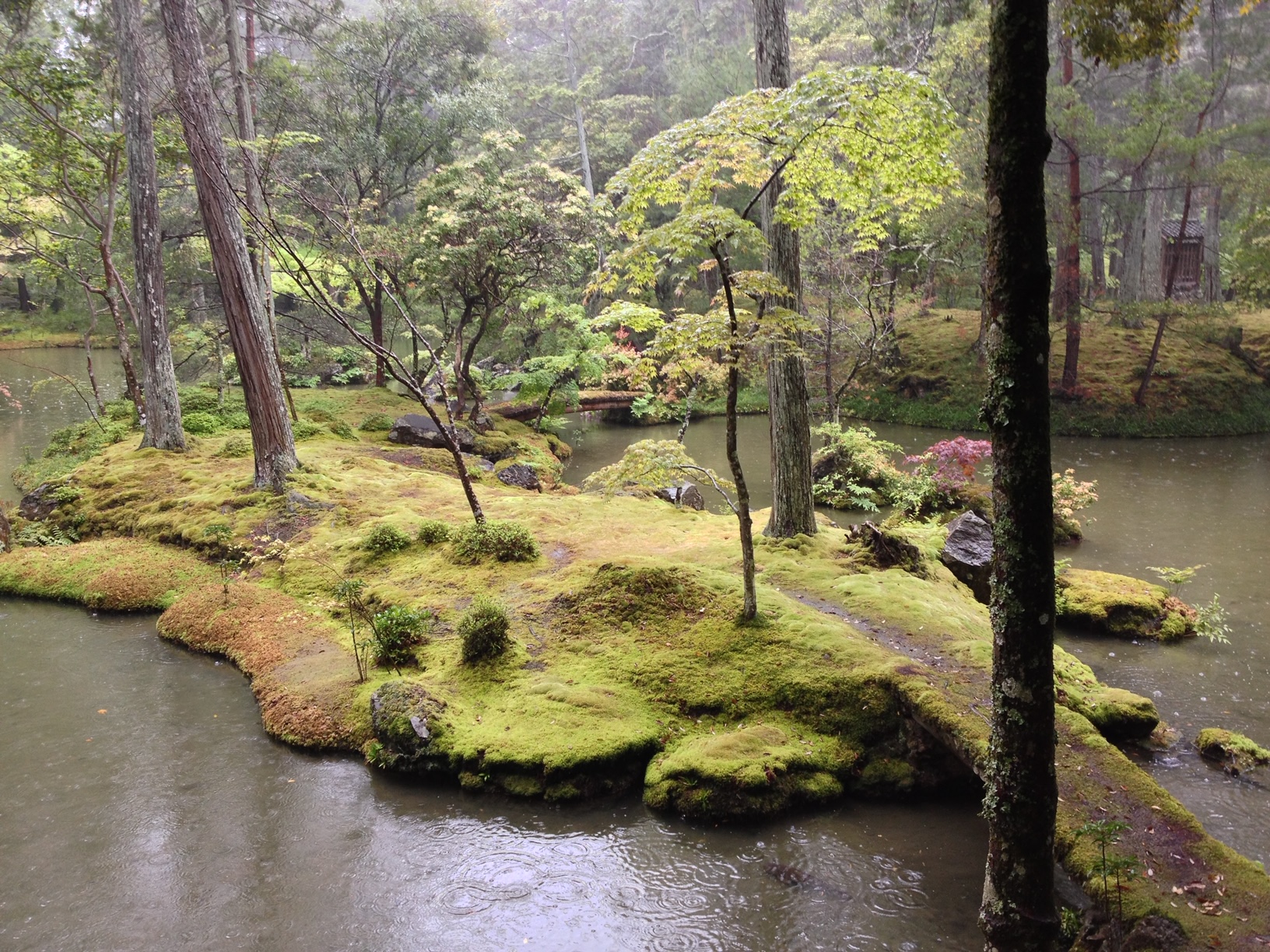
Sanjusangendo Hall of Warrior Statues - Kokadera: Also known as Saihoji -- has the most famous moss garden in Japan. The temple is located a bit out of the way on the west side of Kyoto but is well worth the visit if you have the time. Reservations in advance are required and every visitor to Kokadera is asked to contribute to the observances of kito and shakyo (respectively, the chanting and copying of Buddhist scriptures, called sutra) by participating in a 30 minute session to copy Buddhist sutras by hand. Highly recommended. To request a reservation to visit, you must write a letter to the temple enclosing a prepaid return postcard which they will send back to you telling when you can come -- allow at least 4 weeks to turn this around -- more at popular times. If you don’t have time to organize this and you really want to see moss, don’t worry. There are a lot of other nice moss gardens at other temples around the city -- Kokadera is just one of them.
- Nijo Castle - grand medieval palace and sprawling gardens in the center of the city. Be sure to go through the gardens to the raised platform in the corner of the compound -- from here you have a vista of the city … It is lovely.
- Kyoto International Manga Museum: Just a short taxi ride from Nijo Castle is the Kyoto International Manga Museum, which is worth an hour or two if you like Japanese manga. The museum provides a history of manga in Japan with lots of exhibits (geared toward children and adults) and manga artists on site drawing manga.
- Gion - Stroll around at dusk you might catch a glimpse of an apprentice geisha on the way to work!
Places to Stay & Restaurants in Kyoto
Places to Stay in Kyoto
- Cross Hotel Kyoto - Added after our March 2025 trip to our recommended list of nice, affordable Kyoto hotels.
- Motonago - We recommend this as an affordable ryokan in a great location (at the foot of the Eastern hills near many nice temples). It's the ryokan experience -- that means fairly thin futons (you can always add extra futons from the closet!). But it's something you have to experience at least once. This place gets high marks on TripAdvisor. While the ofuro bath in this ryokan is not spectacular by any stretch, it is nice (and kind of unusual) in that you can reserve the bath for private use for 30 minute intervals. This way couples can use it together (something you cannot do at places that only have large single sex bath facilities) and the modest need not feel stressed about using a communal bath.
- Shirakawa-an (Cottage on the White Stream) - a very affordable one bedroom Japanese Machiya (town house) VRBO rental property close to historical Higashiyama (Eastern Mountains) district. Nice and well-located but very small with a very cute small garden and charming bath. We stayed here for 3 nights and loved it. The experience got us hooked on staying in vacation rentals and we are still fanatics about doing that.
- Minoya-cho - a high end Japanese Machiya riverfront rental opportunity on the Kamo River between Shijo and Gojo station (sleeps 8 people so good with a large group but there is an upcharge for each additional person so be aware that the cost can get prohibitive). This property is managed by Iori, a company that maintains and rents about 10 very nice properties around the city. This is far from a budget option, but worth it if you can afford it and want to experience the feeling of a lovely traditional Japanese home in the best location in Kyoto.
- Sakura Terrace - The Gallery - this is a very reasonably priced, fairly hip new hotel that is one block south of Kyoto station that we just discovered. Very convenient location, large hot baths, free drink for each guest at check-in, and very close to Kyoto Eco Trip Rental Bicycles where you can rent regular and electric bikes for the day to sightsee around Kyoto (highly recommended)
- Hyatt Regency Kyoto - this is a newer, lovely property, well located for sightseeing in the Eastern part of the city. Views are not spectacular but we read that the garden view rooms are nice, though we didn’t have one because we booked at the very last minute. Room rates vary quite a bit by the season -- staying here in November is very expensive and you need to book very far in advance. It is a comfortable Western style hotel and we highly recommend it.
Kyoto Restaurants
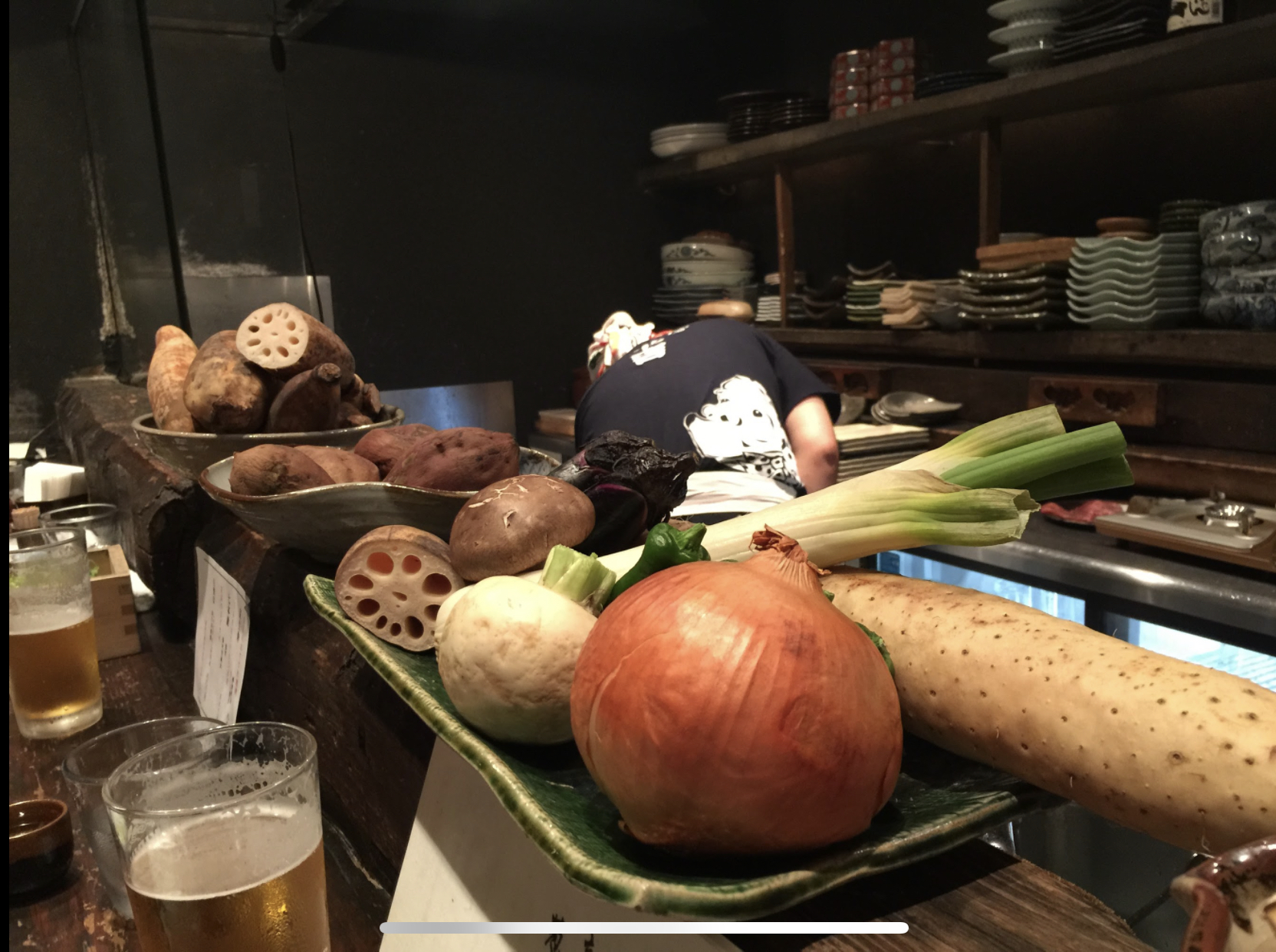
- Negiya Heikichi - A restaurant that specializes in all kinds of onions and looks over the river. Special place. Go to the Takasegawa branch -- the Pontocho branch does not have the same level of cuisine or atmosphere and is not recommended. (Reservations required). It is located about 10 minutes walk south of Shijo street.
Negiya Heikichi Takasegawa Riverside Dining 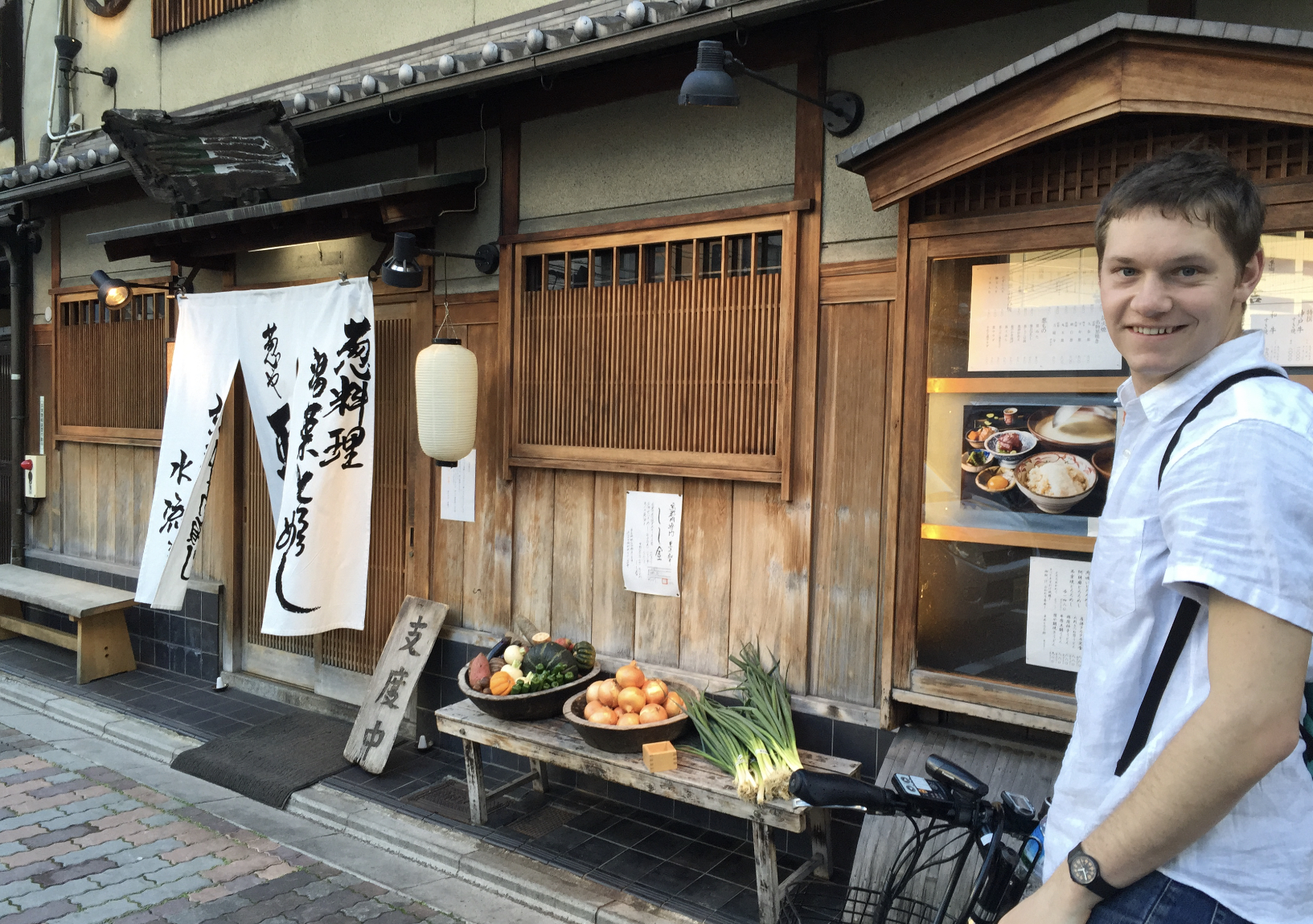
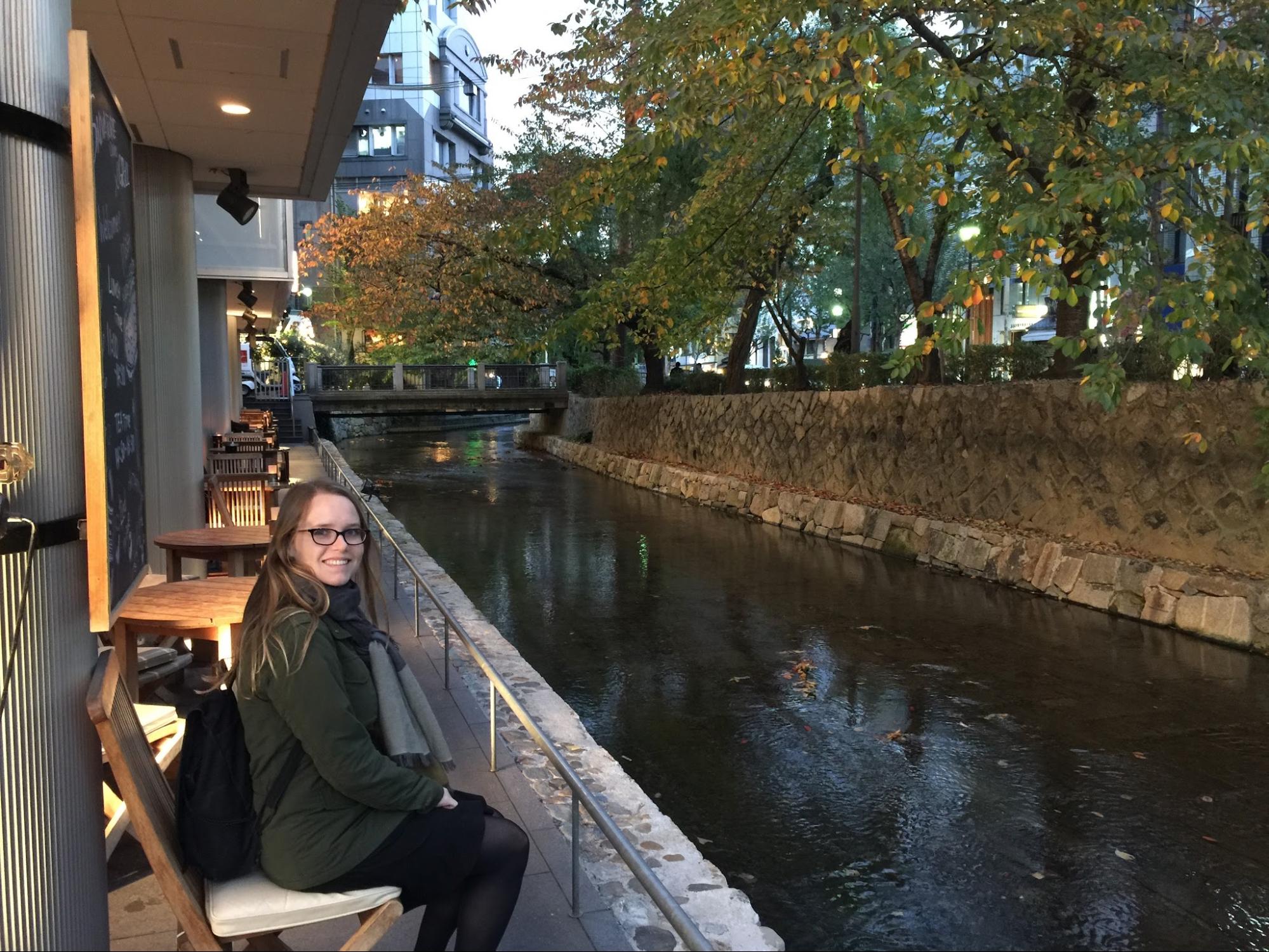
Negiya Heikichi Signature Scallion Dishes - Salvatore Pizzeria - On the Takasegawa canal at Sanjo. If you're ready for a change from Japanese food, this place serves amazing pizza and overlooks a small river. (Great deal for all you can eat lunch, open in the evening from 5 p.m., reservations recommended in evening unless you are there right at 5, great wine selection, outdoor canal-side heated patio to die for).
Salvatore Pizzeria Canal-Side Terrace in Kyoto - Yoshimura Soba Shop - Best soba we’ve had in Japan. Kyoto vegetables and tempura with your soba and beer (as well as all other beverages) served in rustic stoneware cups - very cool. Go here and put your name down (1-2 hour wait on busy days). You can put your name on a list and then go up the hill and then wander around and come back at the time they say they will seat you. We went to see Okochi Sanso Villa, the Bamboo Forest and Tenryuji while we were waiting the 1 hour and 45 minutes for our table.
Yoshimura Soba Shop in Arashiyama 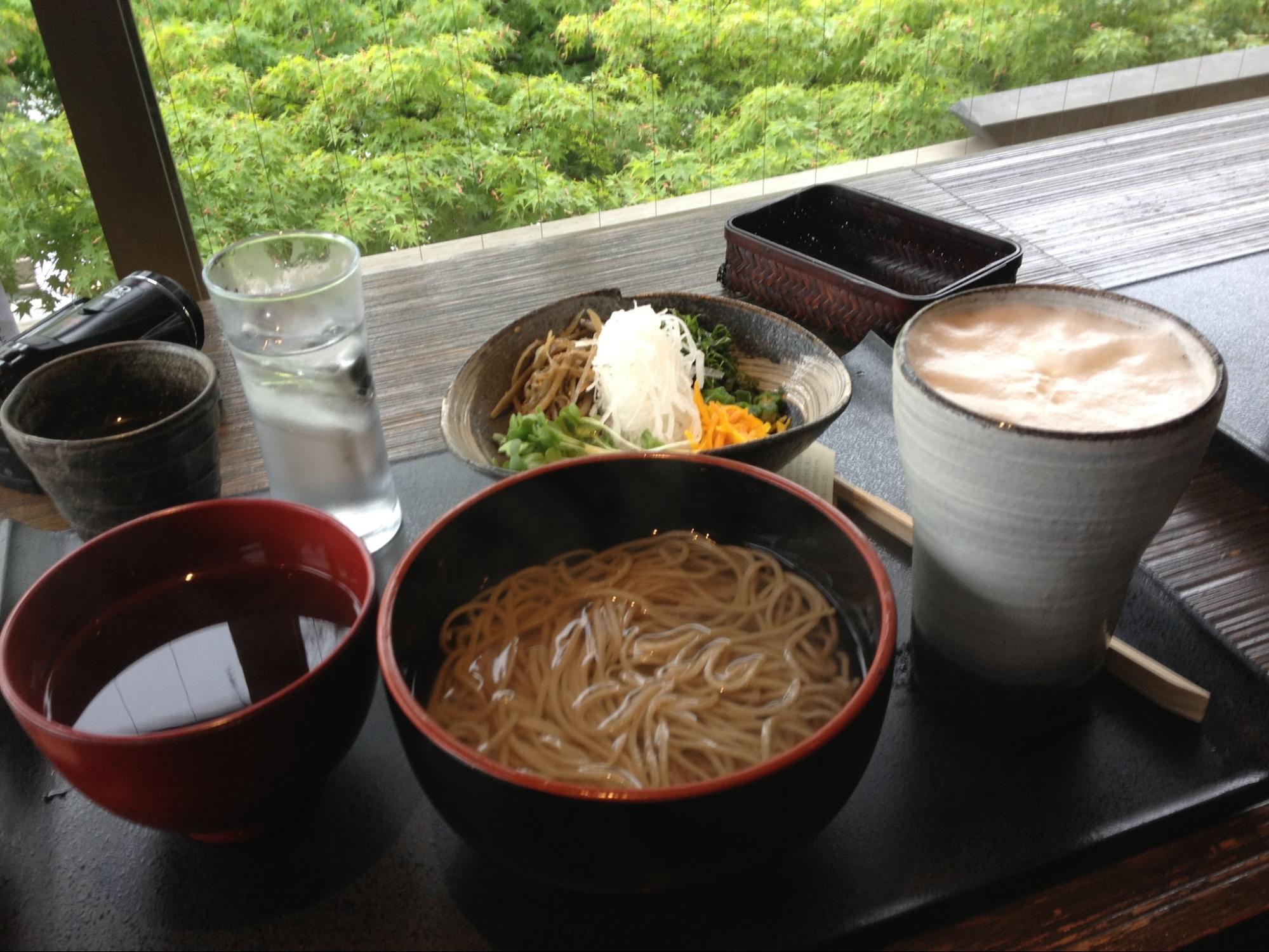
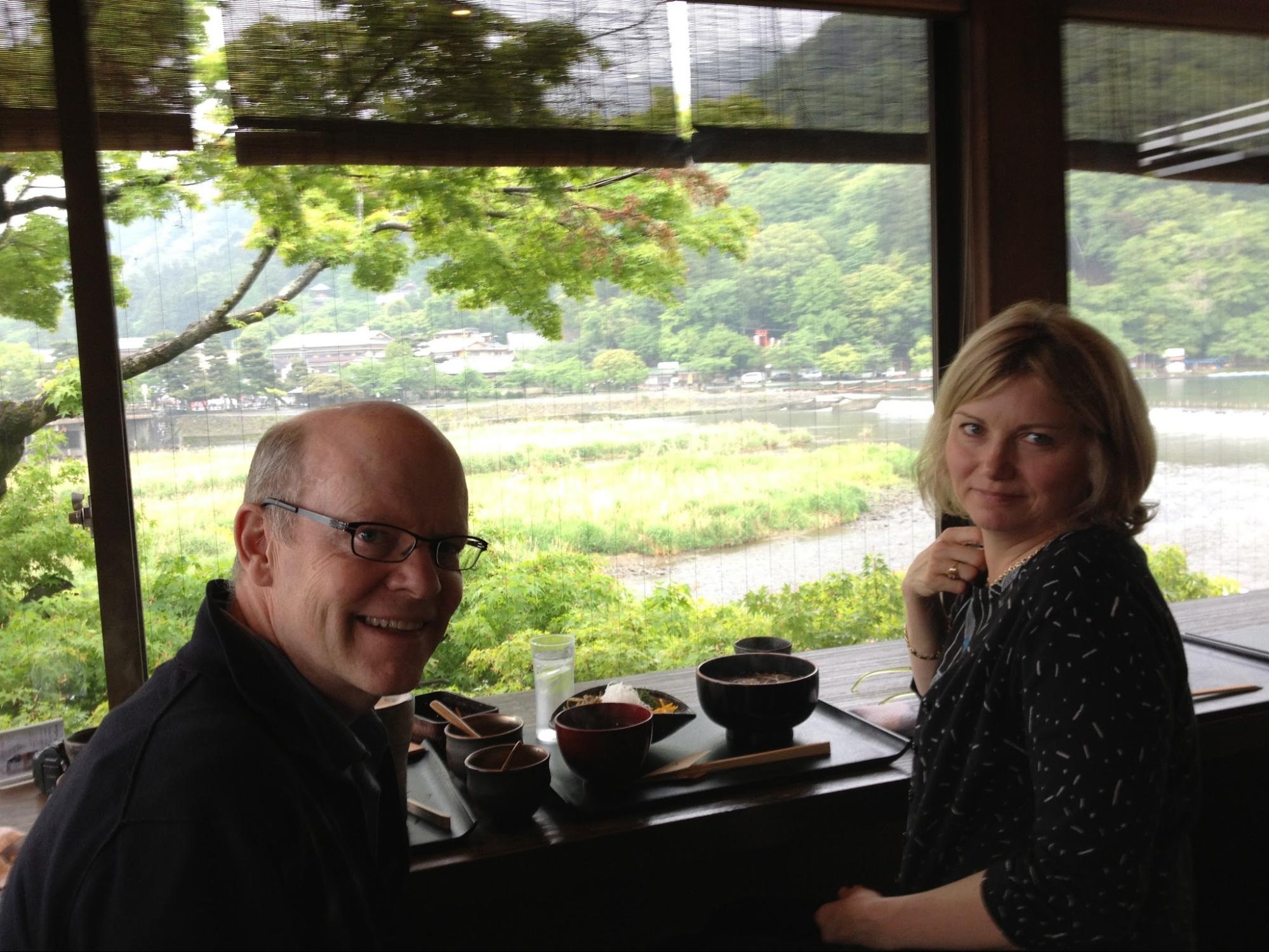
Arashiyama River View from Yoshimura Soba - If you want to see footage of additional worthy locations in Kyoto such as Ginkaku-ji (silver pavilion), Philosopher's Walk (as you walk south to north on this walk, make a right pretty much anywhere to find worthy temples and shrines), Yasaka Shrine, the affordable VRBO Shirakawa-an mentioned earlier, a nice Japanese Izakaya restaurant called Yagenbori near the Shirakawa River and Gion -- check out the video here.
 Video: Kyoto Extended Tour — Ginkaku-ji, Philosopher's Walk & Gion Open on YouTube ↗
Koyasan (Mt. Koya)
Another wonderful off-the-beaten-track spot is Koyasan, or Mt. Koya, which is about a 2 hour train ride from Kyoto (about an hour from Osaka). Koyasan is the headquarters for the Shingon (Pure Land) sect of Buddhism that was established in 816 by Kobo Daishi, considered by many to be the founder of Japanese culture. The trip to Koyasan involves a cable car ride that takes you up to the plateau where the temples and shrines are located, including Japan’s largest temple rock garden (Banryutei rock garden - it is like Ryoanji in Kyoto, but much larger and quite spectacular). To get to Koyasan, take the train from Osaka and a tram (up the steep mountain! Due to the higher altitude, the temperature is cooler than Kyoto and Osaka, so plan accordingly.)
- Koyasan is full of small and large Buddhist temples. It is a wonderful and quiet place to wander around and experience gorgeous traditional architecture and a fantastic 1,000 year old cemetery.
- One of the highlights is the opportunity to stay overnight at one of the many active temples in Koyasan where you can get up early and meditate with the monks. The cuisine served is vegetarian temple cuisine -- delicious with a tall bottle of Japanese beer! There are many temples which offer accommodations. You can research which one would be the best fit for you here.
- We stayed at Ekoin Temple. This is one of the only temples in town where they perform the Fire Ceremony. To attend the early morning meditations and the Fire Ceremony, you will be asked to confirm with the monks the night before whether you plan to attend and which ceremonies, as space is limited. These events happen quite early in the morning (something like 6 a.m.), so do not plan to stay here unless you are interested in getting up very early. Our recollection is that they require that you attend the early ceremony if you stay there, as it is intended to be more of a religious experience than a tourism experience. If sitting on your knees for a long time is not possible, there are a few low chairs in the back of the room. The Japanese visit Koyasan and stay in the temples as a religious pilgrimage, so it is appropriate to approach your visit in the same way and to be respectful of the traditional practices and the experiences of the people around you. Ekoin Temple also gives night time tours in English of the 1,000 year old cemetery which are spooky but fun. We recommend going to the cemetery both in the daytime and on one of the night tours, rain or shine. It is very atmospheric and amazing. There are groups of Japanese on pilgrimages and so it makes for great people watching. When it is raining it is actually better because the umbrellas look so cool in photos!
- See this video (Koyasan) to get a sense for what Koyasan is like including the temple where we spent two days.
 Video: Koyasan (Mt. Koya) Temple Stay, Fire Ceremony & Okunoin Cemetery Open on YouTube ↗