Tokyo Overview
Tokyo is like New York if New York were always clean, everyone was extremely polite, there was (virtually) no street crime, ALL restaurants were 5 stars, and it channelled thousands of years of one of the world’s most sophisticated cultures. Below are our favorites spots, restaurants, and things to do around this city of 36 million people. Here is a great video created by someone testing the new iPhone’s video capabilities for Apple that nicely captures the vibrancy of Tokyo and highlights many of the locations recommended by us.

Video: Vibrancy of Tokyo — Shot on iPhone
Open on YouTube ↗
Harajuku and Omotesando
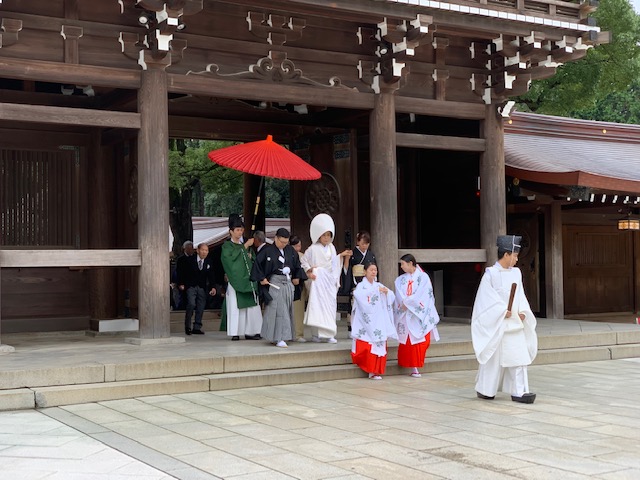
- Start at Harajuku Station (on the Yamanote Line) and visit the adjacent Meiji Shrine. If you are at Meiji Shrine on a weekend, you will see a succession of wedding parties parading through the grounds and having wedding photos taken.
- Take a stroll down Takeshita Dori in Harajuku, the place to experience Japan’s kawaii (“cute”) fashion and culture scene. (To get to Takeshita Dori take the north exit of Harajuku Station… the entrance is right across the street.)
- Then walk down the beautiful wide boulevard of Omotesando to experience the hip fashion/cafe scene. The neighborhoods on either side of Omotesando street are atmospheric and packed with boutiques and restaurants. You could spend a lot of time wandering around in here and not see everything or get bored.
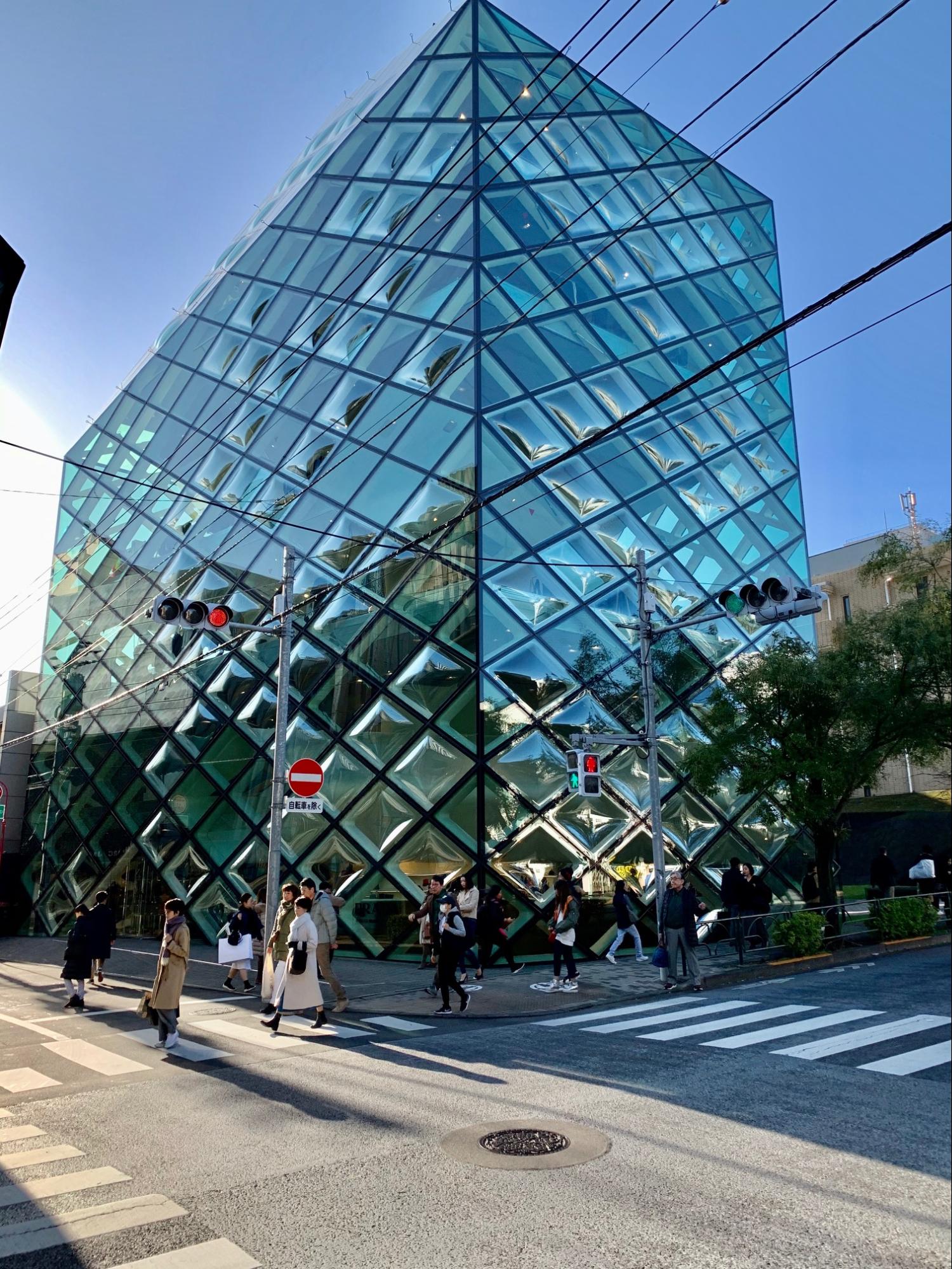
Omotesando Tree-Lined Boulevard - If you walk all the way from Harajuku Station down the wide, tree-lined section of Omotesando to its intersection with Aoyama Dori, you will be at Omotesando Station. Cross Aoyama Dori here, continue straight, and you will be on a narrower, more intimate lane which basically contains the cream of the crop of top Japanese and international fashion labels. Here you will find multiple Issey Miyake boutiques, a Yohji Yamamoto shop, the iconic Prada Building and a host of other gorgeous retail outlets. Even if you do not plan to buy anything, it is worth walking through this neighborhood. The next street over (behind the Prada building) contains Theory, Acne Studios (Yes, this is actually the name of a high fashion label.) and many more.
- If you proceed past the shopping district you will arrive at the Nezu Museum, a fantastic example of modern Japanese architecture which hosts exhibitions of traditional arts and has a great garden. (There is a cafe here, which is probably good, but we have not been there.). Video of Nezu Museum experience: here.
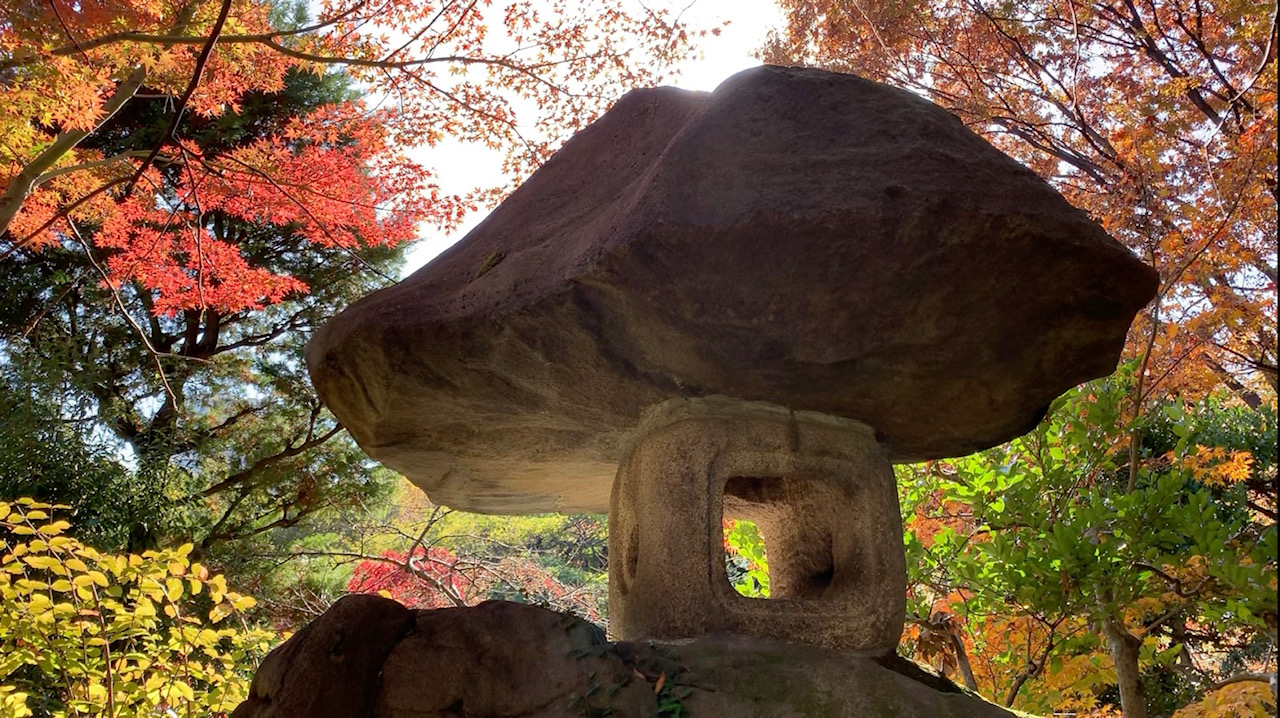
Nezu Museum Garden & Architecture in Aoyama  Video: Nezu Museum Architecture & Garden Experience (Omotesando) Open on YouTube ↗
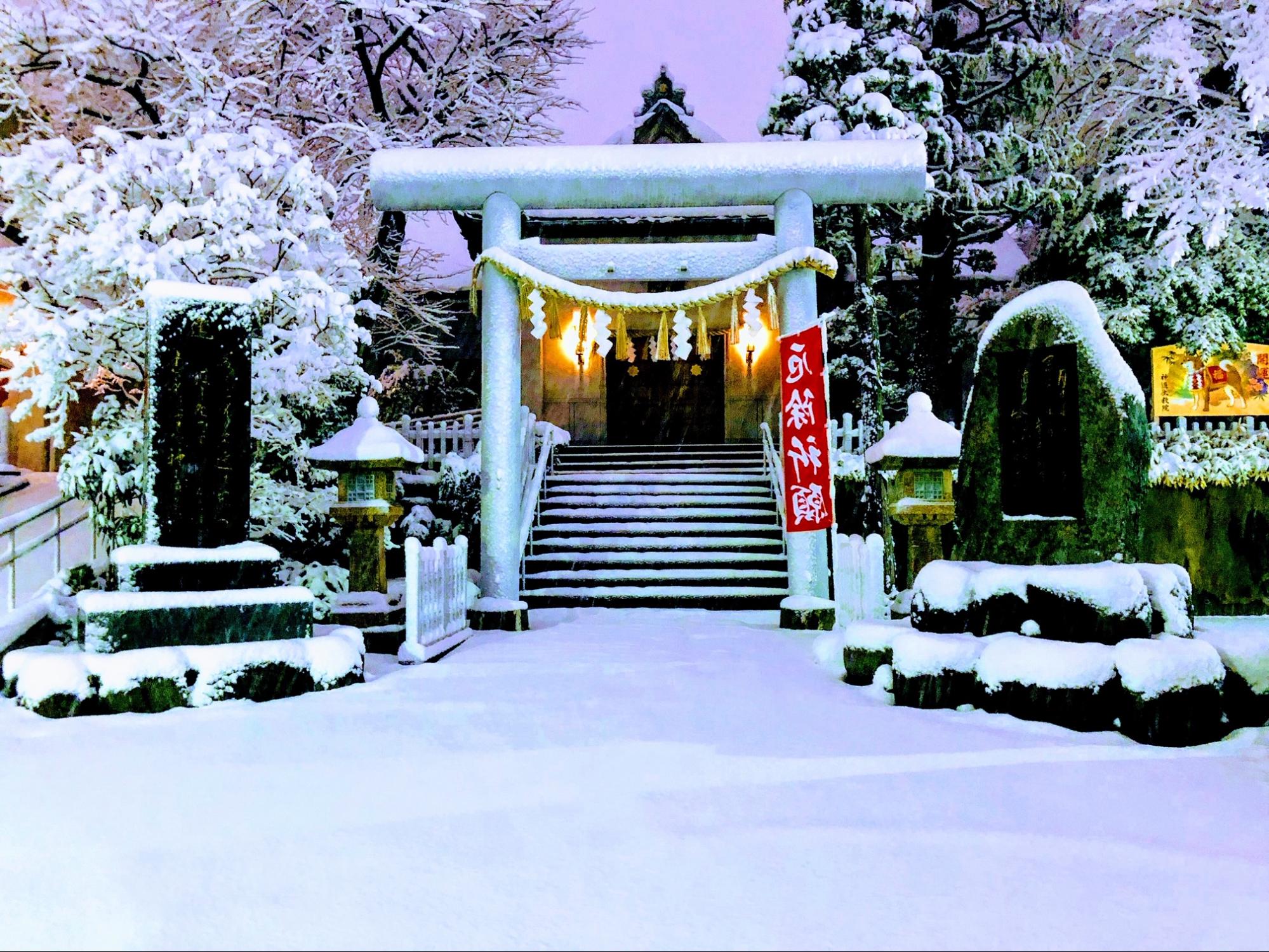
- Other things to consider in this area: walk through Yoyogi Park (watch Japanese enjoying themselves in one of the city’s biggest parks). In past decades, one of the most fun Sunday things to do in Tokyo was to go to the part of Omotesando street adjacent to Yoyogi Park where you could watch about 20 groups of young people dressed like 1950’s rockers twisting and shaking up a storm all afternoon (as well as some groups dressed in Chinese opera costumes performing traditional dance). This scene has for the most part disappeared but there are still a few hold-out groups of guys (and an occasional girl) dressed and coiffed like Elvis dancing here and it is fun to hang out and watch them for a little while, although it is no longer a destination on its own.

Yoyogi Park & Harajuku Weekend Scene - Restaurants we like in Harajuku and Omotesando: The British India Cafe 1930 (an adorable, inexpensive and delicious Indian restaurant in the “Ura-Hara,” literally, “the back of Harajuku” with British colonial decor and a lace shop upstairs), Celeb de Tomato restaurant (all tomato cuisine - delicious, in the back streets near Omotesando subway station), Intersect by Lexus (this is the Lexus “lifestyle” shop, a place which has been impeccably planned and designed to embody the lifestyle of the typical Lexus owner. All Lexus owners and anyone with the remotest interest in automobile marketing should put this place at the top of their list. They have a great, reasonably priced lunch and a decor with very cool Lexus lifestyle touches! Across the street from the Prada building. Reservations highly recommended). Aoyama Torimikura is a reasonably priced yakitori-ya (grilled chicken) restaurant close to Omotesando station. Great atmosphere with english menus available. Just a few doors down a small street from a famous ramen shop called Soba Kiri Miyota, which is a great place for seasonal ramen selections (always a line in front of the shop). For a top floor outdoor deck drinking spot with a view down to the Omotesando fashion district we recommend Two Rooms Grill. This upscale restaurant has a large outdoor terrace where you can enjoy a spring/summer/fall evening. You can order from the main menu or more affordable bar bites menu. There are a few restaurants on the 2nd and 3rd floors of Omotesando Hills shopping mall that we like. First and foremost, we recommend a French Tapas and Wine bar called Partager Bar a Vin. Great spot for a light tapas meal and good wine - get the mushroom salad if they have it. Next to Partager is 37 Roast Beef. We always like stopping at the Hasegawa Saketen sake bar on the 2nd floor either before or after dinner for sake. We recommend reservations for both Partager and 37 Roast Beef but both restaurants tend to be less crowded than the Omotesando restaurants on street level.
Ginza
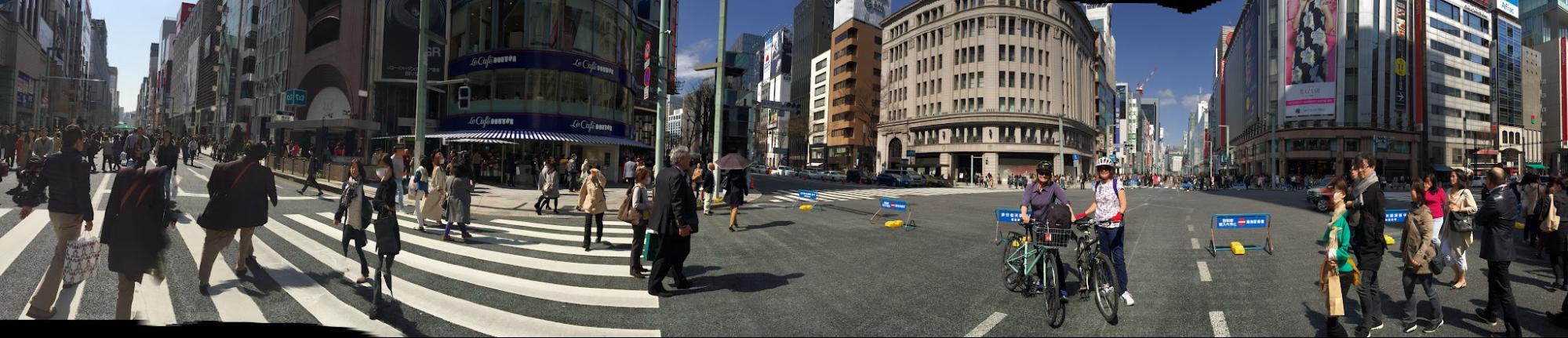
- Dusk into night time is the best time to visit Ginza because the neon lights are spectacular. Wander through Mitsukoshi and Matsuya department stores -- The flagship Uniqlo store is a MUST! This Uniqlo carries items that are not found in other Uniqlo stores. The destination stationary shop Itoya should be opening their new store in Ginza soon after a few years of construction … the temporary store is nice in the meantime.
- Most amazing ramen we've ever had is at Kagari (but you'll likely have to wait for a LONG time to get in). They moved to a new location here in Dec 2018. We don’t recommend going in groups of more than two as it is very small. If you are into ramen, another great ramen restaurant (with very good atmosphere -- unusual for a ramen shop) is Gogyo Ramen in Nishi Azabu. Here is a link to the so-called “best ramen” shops in Tokyo that includes Kagari.
- Our favorite Greek restaurant in Tokyo is The Apollo, originally from Sydney, located on the 11F of the Tokyu Plaza Ginza building. Great views from window side tables with a modern take on traditional Greek food.
- Delicious Chinese food at Blue Lily. (on the B2 level of a restaurant building down the block from Mitsukoshi on the Ginza main drag -- a little hard to find -- look for the small sign and go down the stairs. The decor here will make you want to visit Shanghai!). Located close to Blue Lily is an always good, and reasonably priced Yakitori-ya called Torigin. In addition to a full selection of grilled chicken items, the restaurant is also known for its authentic kama-meshi (rice dish cooked in a small iron pot).
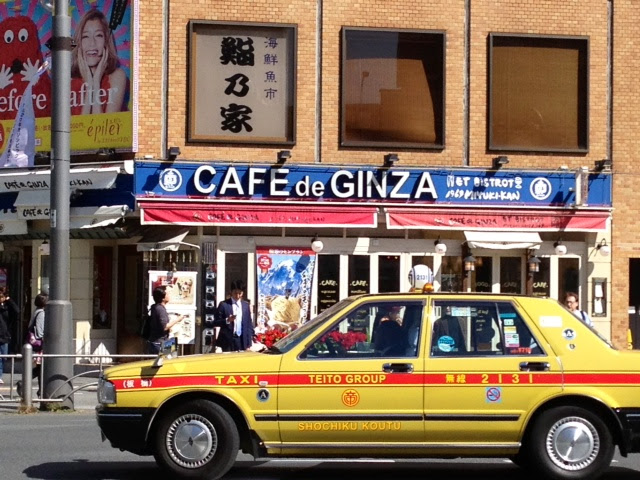
Torigin Yakitori & Kamameshi in Ginza - Ginza Music Bar is a fun place to go to after a dinner in the Ginza area. The bar was opened 3 years ago by a group of music producers who wanted to recreate the cultural mood of old Ginza (salon bar style setting with muted lights and decor) combined with a top of the line high fidelity sound system for playing over 3,000 vinyl records from a range of music genres.
- If you are looking to splurge (think ~$1,500 for two with drinks) but want to experience the quintessential Japanese “ryotei” dining experience consider Kitcho Honten in Ginza. (reviews)
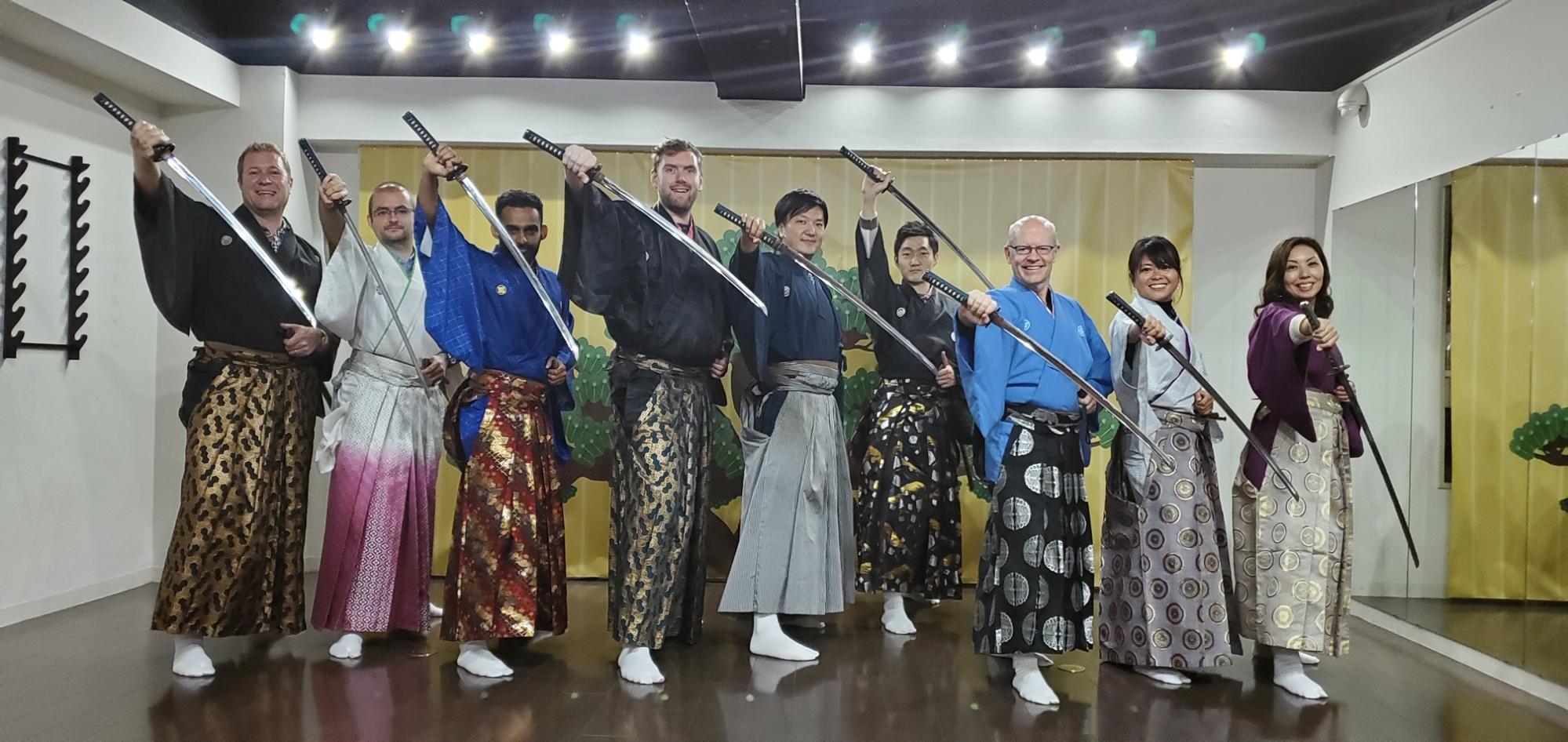
Kitcho Honten Traditional Kaiseki Dining in Ginza - If you fancy getting dressed up in Samurai costumes and having a go at samurai sword and fan dance performance (Samurai Kembu), we recommend booking a workshop at Tokyo Samurai Kembu in the Ginza area. They offer a variety of workshop programs for adults (and kids) that involve learning the basics (and history) of using a samurai sword or fan, including the opportunity to deliver a small performance. Great thing to do with a group of friends. The authentic costumes provide great photo opps too. The workshops vary in length and cost with the shorter classes (1 hour) in the Yen 7,000 per person range and the longer classes (1.5 hours) in the Yen 9,000 range.
- Near Ginza is the Imperial Palace. Visiting, or even seeing, the “palace” is not actually possible, as it is set deep inside the vast, forested grounds behind a moat. You will see the ancient stone walls and moats and some very nice pine trees in the surrounding open spaces, but not the actual palace. However, it is worth doing. Video of Palace and nearby Hibiya park: here.
 Video: Tokyo Imperial Palace & Nearby Hibiya Park Open on YouTube ↗
- Not too far from Ginza on the 38th floor of the Mandarin Oriental Hotel (Nihonbashi Muromachi) one can find a one-of-a-kind Japan dining experience at the Tapas Molecular Bar (reservations required weeks in advance). Very pricey evening but worth it you want to enjoy innovative tapas served sushi-bar style complemented with spectacular views stretching out towards the Imperial Palace and Shinjuku. Video of the experience here.
 Video: Tapas Molecular Bar — 38th Floor Mandarin Oriental Tokyo Open on YouTube ↗
- Also not far from Ginza is a great fresh seafood izakaya called Shin-Hinomoto (also known as Andy’s), which is located underneath the railroad tracks near Yurakucho Station (Marunouchi side). The restaurant is owned and managed by a British man named Andy who shopped for the restaurant every day at Tsukiji Fish Market for over 25 years. The relationships he developed at Tsukiji allow him to consistently offer a legendary (among the Tokyo foreign community) daily selection of fresh and affordable seafood. When you reserve, request an upstairs table and ask them to save you some King Crab -- it’s a highlight! We had an opportunity to join him on one of his morning shopping trips to Tsukiji (video of Tsukiji shopping trip: here). The fish market has since moved to its new location, which unfortunately doesn’t have the charm and local feel of the original market. The renamed Toyosu Fish Market is more industrial and you can no longer walk around with as much freedom as you could before.
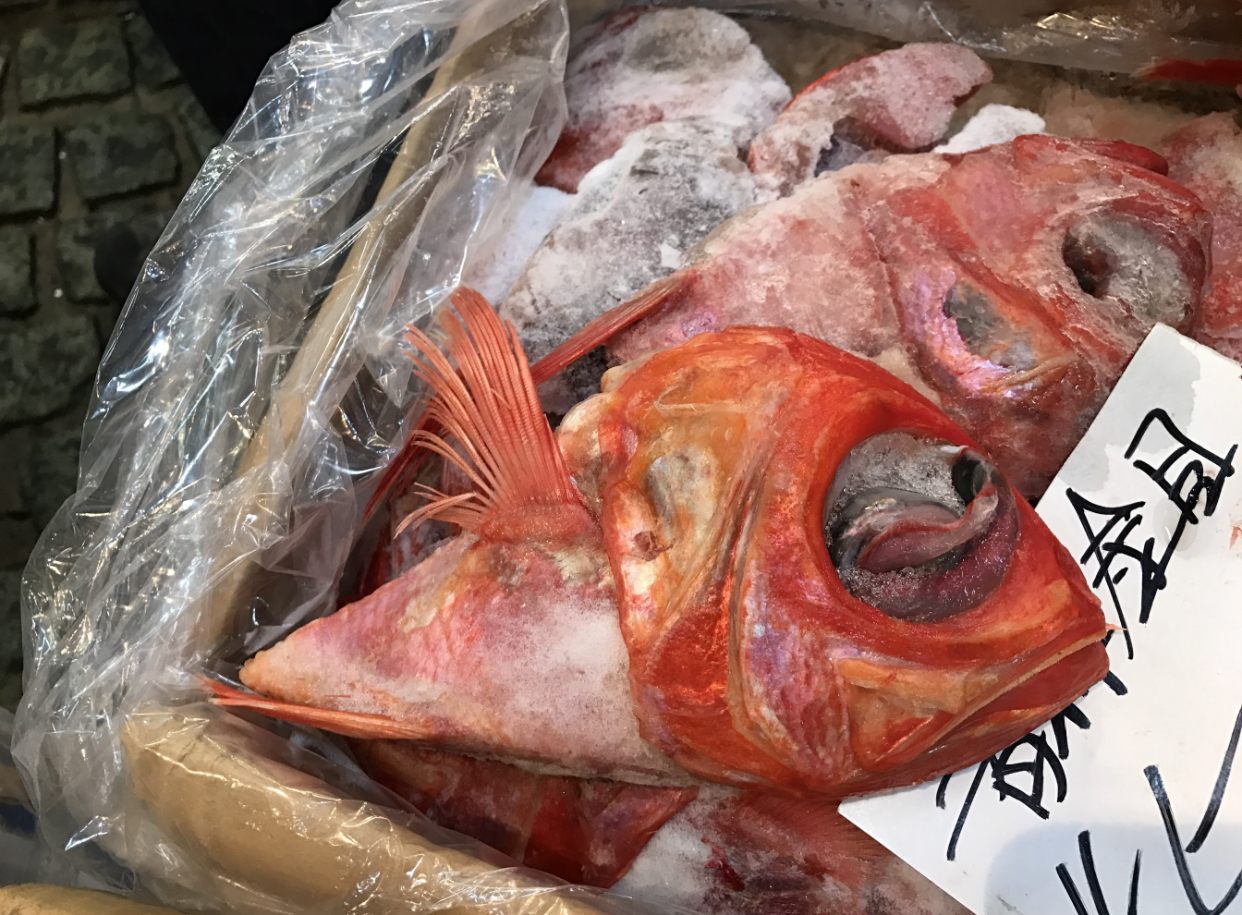
Shin-Hinomoto (Andy's) Seafood Izakaya Under the Tracks  Video: Morning Seafood Shopping Trip at Tsukiji Fish Market with Andy Open on YouTube ↗
- Andy's Grapefruit Sour Tip: Andy’s is a great place to try the drink called Grapefruit Sour. The traditional Lemon Sour cocktail is made with fresh lemon juice, soda and shochu. Shochu is a grain alcohol made from rice that has very little taste, so it is good for blending with other flavors and it is on the menu in most drinking establishments. Some places offer grapefruits as an alternative to lemons, and Andy’s gives you an entire big, juicy grapefruit (which you juice yourself with a citrus juicer) with each serving. It’s very refreshing, a gluten free alternative to beer, and pairs well with seafood. Lemon Sours and Grapefruit Sours are popular with women, but men like them, too! Don’t miss out on this fun drink -- especially in summer.
- Located a short walk south of Andy’s (on the right as you walk south) is an always delicious and reasonably priced yakitoriya called Teppei Yarakucho. Teppei specializes in charbroiled chicken skewers. They also offer a wide variety of Japanese izakaya foods and alcoholic drinks such as sake, shochu, beers, wines, and so on at an average cost per person of Yen 4,000. It’s hard to find...it’s on the 2nd floor across the street (catty-corner to the north) of a restaurant that has a large pig head above the entrance. The sign has Yakitori written in English.
- For an excellent overview of Japan’s unique food culture (including sushi), check out this overview created by Google’s Arts & Culture institute: Meshiagare! Flavors of Japan.
Tokyo Tower and Vicinity
- A MUST visit destination restaurant at the base of Tokyo Tower is Tofuya Ukai. The service, decor and setting are supreme. It is a wonderful place to experience traditional Japanese high-end dining without a high price tag (at least at lunch). Tofu-based cuisine but you can add fish and meat courses with an extra charge -- the basic lunch course is plenty of food though, so don’t add these unless you are very hungry. Every party gets a private room overlooking a garden and some have views of Tokyo Tower. It just feels very special. Dinner is very expensive, so we recommend making reservations for a late afternoon lunch (3 p.m.). This way you can enjoy the garden and take photos there during the daylight hours and also experience the garden lit up at night, which is spectacular.
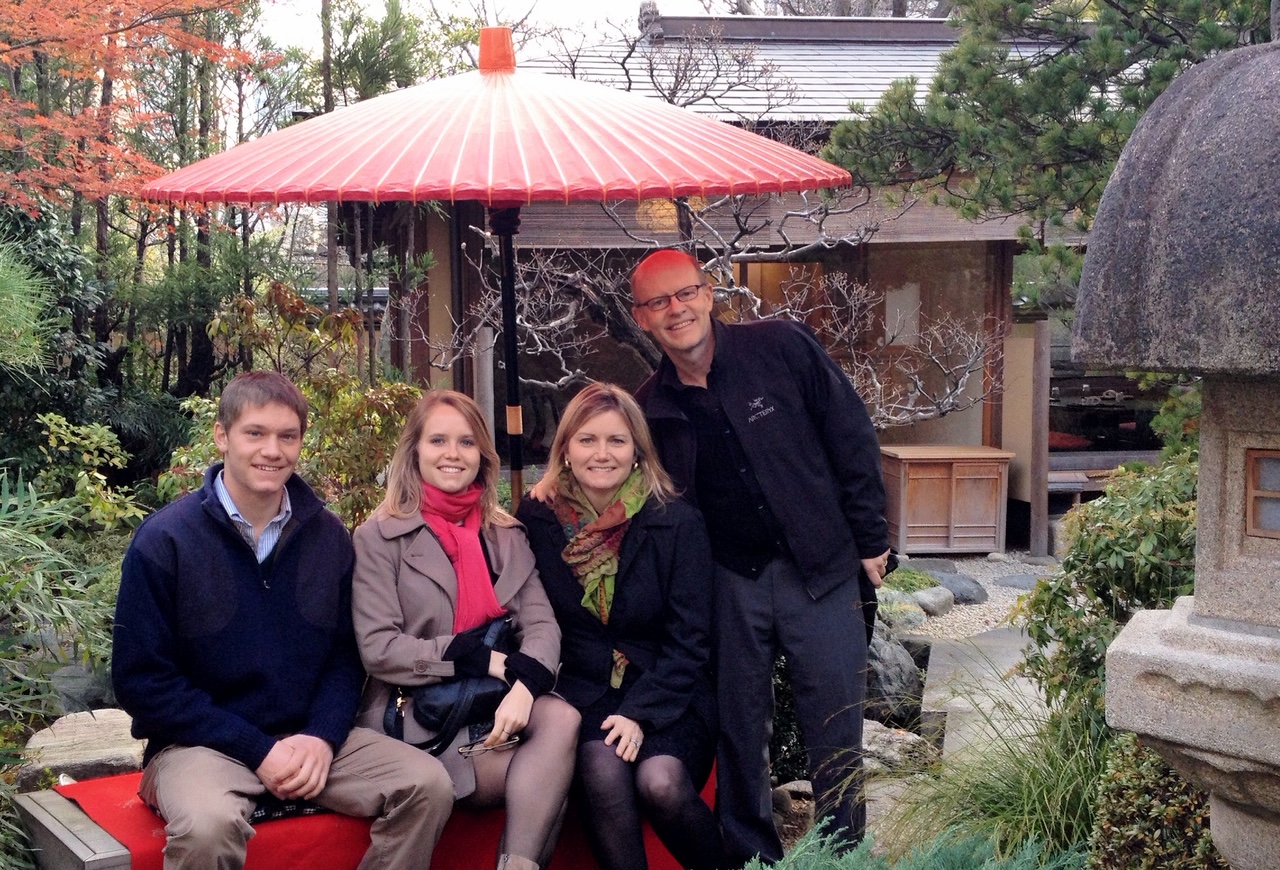
Tofuya Ukai Garden & Private Dining Rooms at Tokyo Tower - Sister Restaurant near Mt. Takao: A sister restaurant, Ukai Toriyama, located near Mt. Takao and Hachioji in western Tokyo, for a memorable day trip from Tokyo combined with a “hike” at Mt. Takao. This place specializes in grilled chicken cuisine -- most of the tables are in private cottages nestled in a spectacular garden with a stream running through it. (Be sure to request a private cottage when you reserve or you may be seated in a larger hall, which is not as nice).
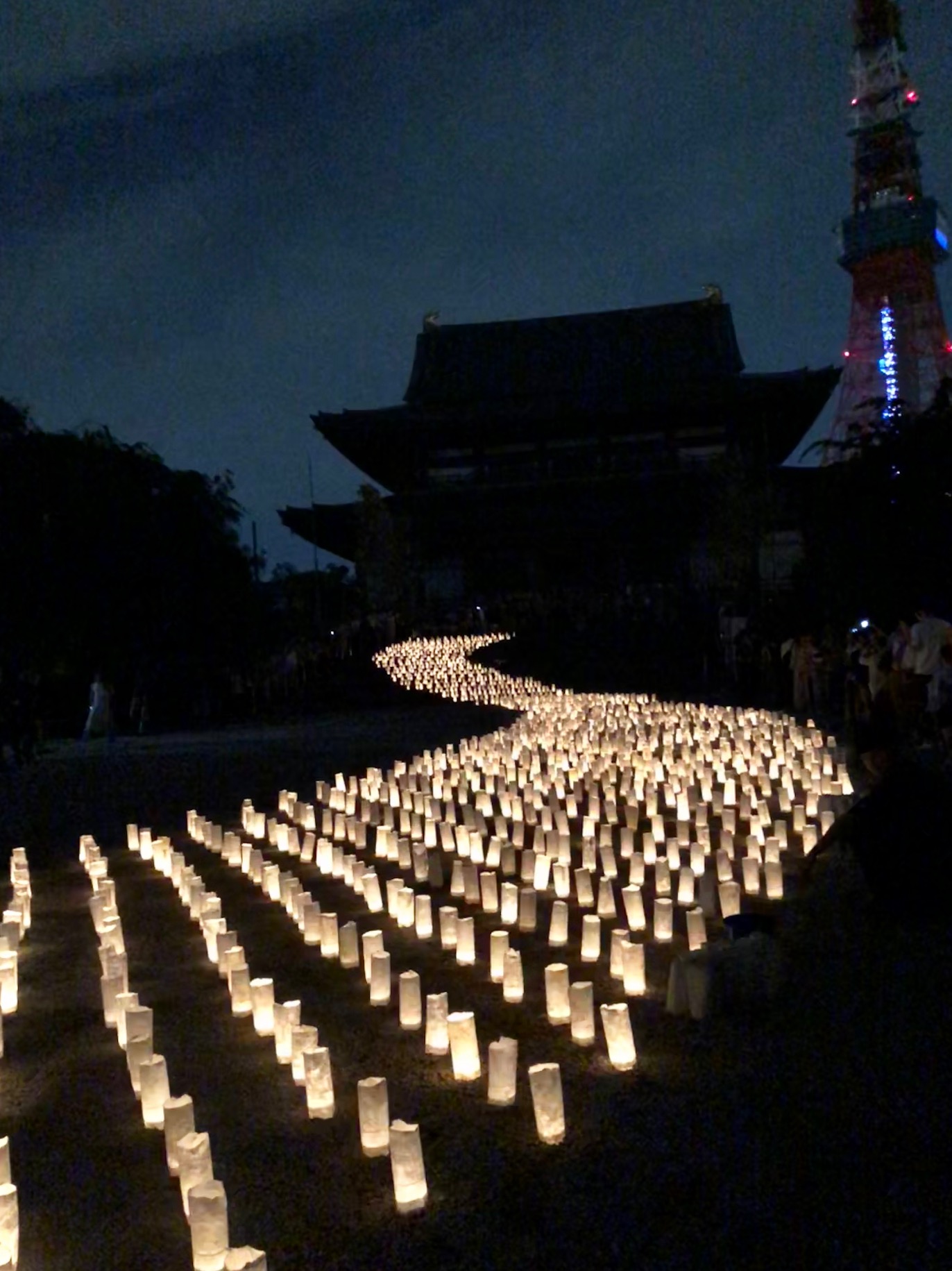
Ukai Toriyama Private Cottages Near Mt. Takao - Big, spectacular traditional temple without travelling all the way to Asakusa: Zojo-ji. Great photo op for Tokyo Tower in the background of your temple pix. If you happen to be in Japan in early July, make sure to check out the Tanabata Light Festival at Zojo-ji. Each paper candle has a handwritten message or drawing, the work of nursery school and preschool kids from various prefectures in Japan. The messages contain children’s wishes, dreams, and hopes for the future. Good to combine a visit to Zojo-ji with a visit to Tofuya Ukai -- about 5 minutes walk from each other.
- Not far from Tokyo Tower and Zojo-ji are the Hamarikyu Gardens located along Tokyo Bay. We enjoy walking through the landscaped gardens and highly recommend the tea house where you can enjoy traditional Japanese tea and a snack in a lovely tea house overlooking the water.
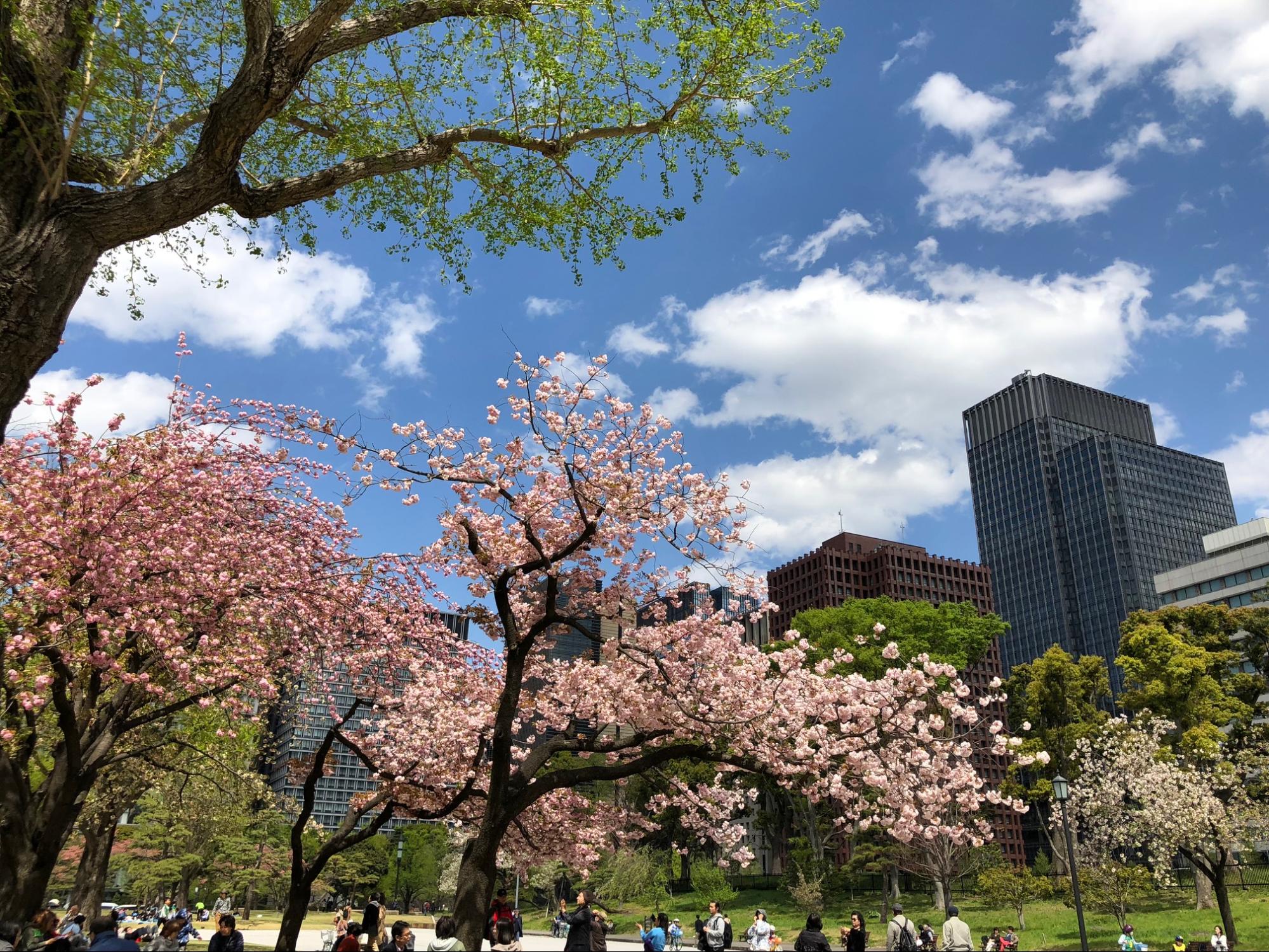
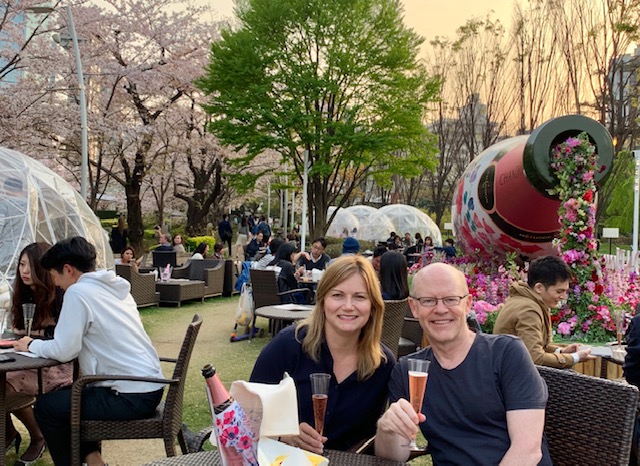
Hamarikyu Gardens & Tea House on Tokyo Bay - If you happen to be in Japan during cherry blossom season in March/April, I highly recommend you check out the cherry blossom scene along the Meguro River in Tokyo (see video: cherry blossoms along Meguro River). To do this, take the Hibiya subway line to Naka-Meguro and make your way over to the river. There are lots of stands selling food and champagne. It is a really fun scene. Another great place to enjoy cherry blossoms (day or night) is the north east corner of the Imperial Palace near the Indian Embassy. Riding bikes around the palace is an even better way to take it all in (see video here).
 Video: Cherry Blossoms & Nighttime Champagne Stands Along Meguro River Open on YouTube ↗
 Video: Biking Around the Imperial Palace During Cherry Blossom Season Open on YouTube ↗
- This video (Tokyo Around Christmas Time) gives a flavor for what Tofuya Ukai tofu restaurant is like and includes vignettes of the popular Bauhaus club in Roppongi, Tonki Tonkatsu, one of our favorite restaurants in Tokyo (located near Meguro Station - best tonkatsu (breaded pork) in the world-video here), a trip to Yumoto Choza in Fukuchi Onsen (our favorite hot spring ryokan located in Gifu Prefecture), the Shinhotaka Ropeway (located near Yumoto Choza, a high alpine tram that takes you up into the mountains for great hiking/views), the famous Hakone-Mt. Fuji Round trip course, and various sites around Tokyo during the Christmas holidays such as Senso-ji and Roppongi Hills.
 Video: Tokyo Around Christmas Time — Tofuya Ukai, Bauhaus, Tonki & Fuji Open on YouTube ↗
 Video: Tonki Tonkatsu Open on YouTube ↗
 Video: Tonki Tonkatsu Near Meguro Station (Best Breaded Pork in Japan) (starts at 9:18) Open on YouTube ↗
Shibuya & Ebisu
- Fun, young shopping area that has recently gone through quite a building boom with lots of new construction around the famous Shibuya Scramble Crossing intersection, including Google Japan’s new Shibuya Stream office building, which is located right next to the Shibuya Scramble Square High Rise Complex, and Shibuya Hikarie Complex. All of these new buildings are now interconnected with above street level walkways and have lots of enjoyable restaurants and shopping.
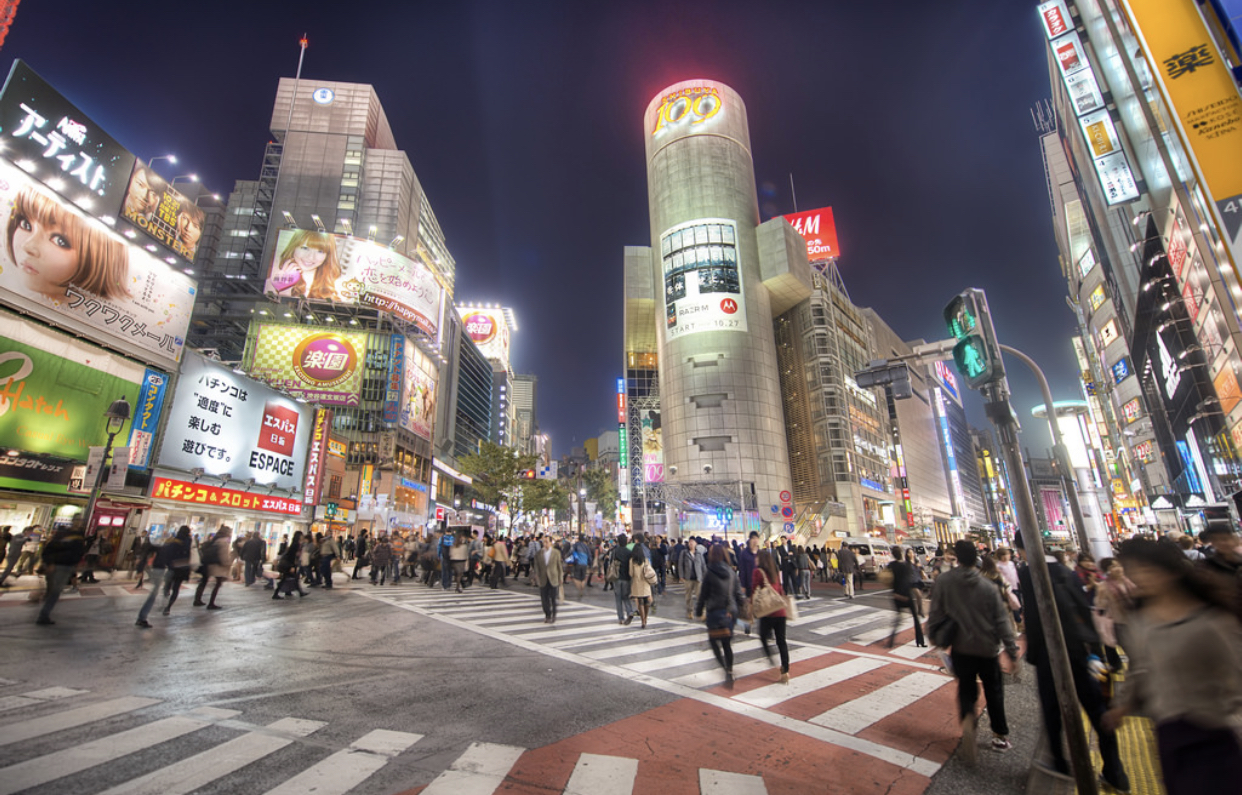
Shibuya Scramble Crossing & New High-Rise Walkways - We highly recommend you pay the Yen 2,000 per person fee to go up to the top of Shibuya Scramble Square building to Shibuya Sky for the best rooftop, full 360-degree view of Tokyo that we have experienced. Try to pick a clear day so you can enjoy views of Mt Fuji, Tokyo Bay, etc. Here is a link to a video of the Shibuya Scramble Crossing and Shibuya Sky rooftop view experience.
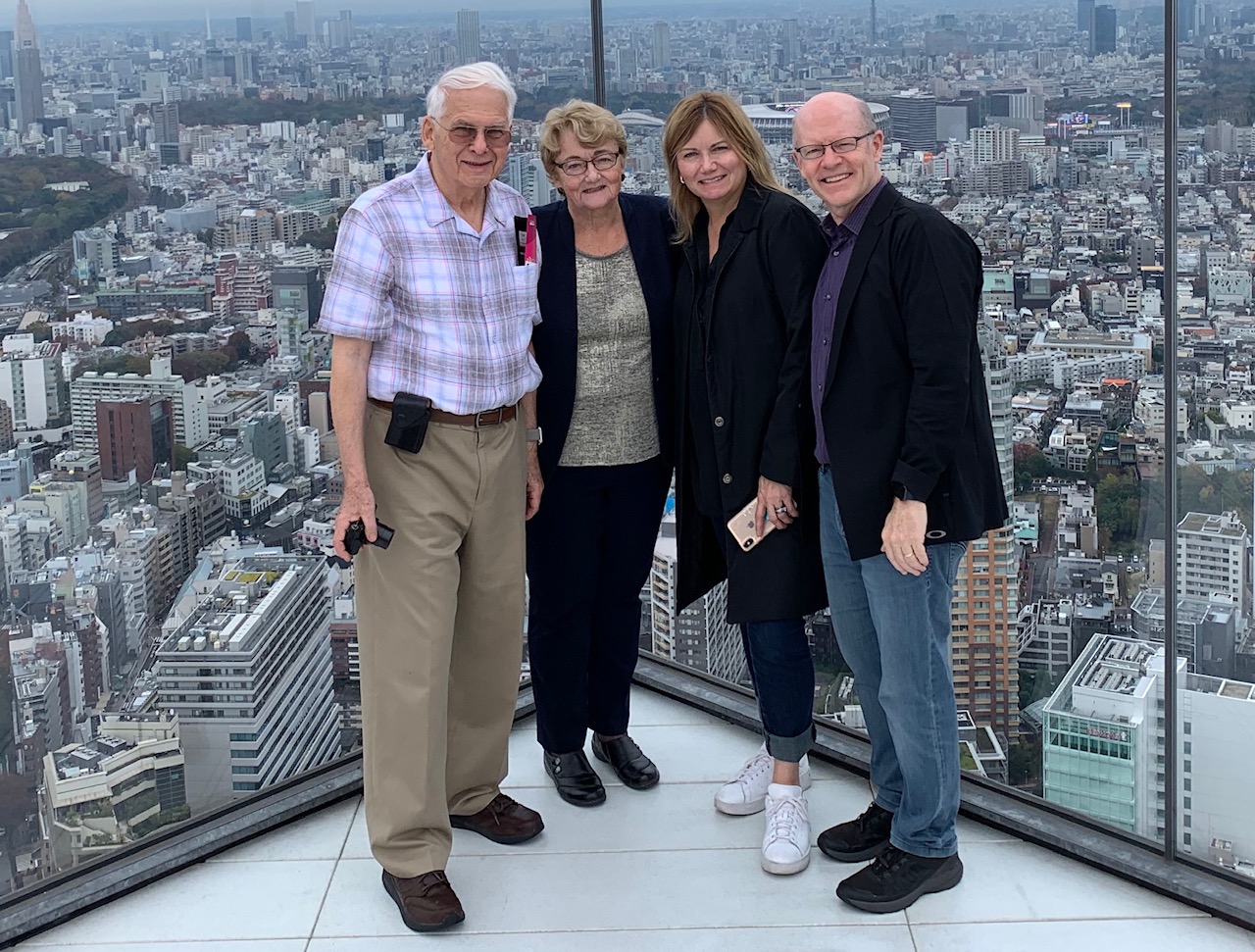
360-Degree Rooftop View from Shibuya Sky  Video: Shibuya Scramble Crossing & Shibuya Sky 360° Rooftop View Open on YouTube ↗
- Tokyu Hands is a must-visit when you are in Shibuya. It's a huge "do-it-yourself" store that you can spend hours wandering around in.
- Not too far from Tokyu Hands you can find Genki Sushi, which is a fun place to eat sushi. Each serving is delivered right to your seat on its own remote control transport vehicle. See video here.
 Video: Genki Sushi Shibuya — Remote-Control Sushi Delivery Open on YouTube ↗
- One of our favorite fish restaurants is in the Maruyamacho area of Shibuya called Kaikaya - By The Sea. The sign out front reads, “In some country, there is a port town. In this town, there is a restaurant owned by a mysterious Japanese man, who cooks marvelous seafood dishes. Here you are!” The decor and seafood experienced inside is pretty much what is promised by the sign out front. This place is always full to capacity and reservations are mandatory. You can now book on Open Table at 6, 6:30, 8 or 8:30. They require a credit card upon booking and will charge 8,000 per person for no-shows, which is a reflection of how popular this place is.
- The Shibuya Stream building in Tokyo (Google Japan’s new Tokyo office location) has a number of great restaurants that we would recommend - at the top of our list are the Spanish paella restaurant, XIRINGUITO Escribà (Tokyo location of popular Barcelona restaurant that opened in 1992) and Craft Beer Tap Grill & Kitchen, for german beer and food.
- One stop south from Shibuya on the Yamanote Line is Ebisu - a growing hub for fun restaurants and shopping options. One of our favorite destinations near Ebisu that we often bike to from our home in Nishi Azabu (15 minutes ride) is Yebisu Garden Place, located on the former site of the Yebisu Beer Brewery. Great location for restaurants, drinking spots, photography museum, Yebisu Beer Museum, and great views of Tokyo from Top of Ebisu located on the 38th and 39th floors of Yebisu Garden Place Tower. There’s a Thai restaurant on the 39th floor called Longrain Tokyo. The views from Longrain are spectacular, but we found the food to be not particularly special. We recommend you visit Yebisu Garden Place in late November/ December to see the Christmas decorations.
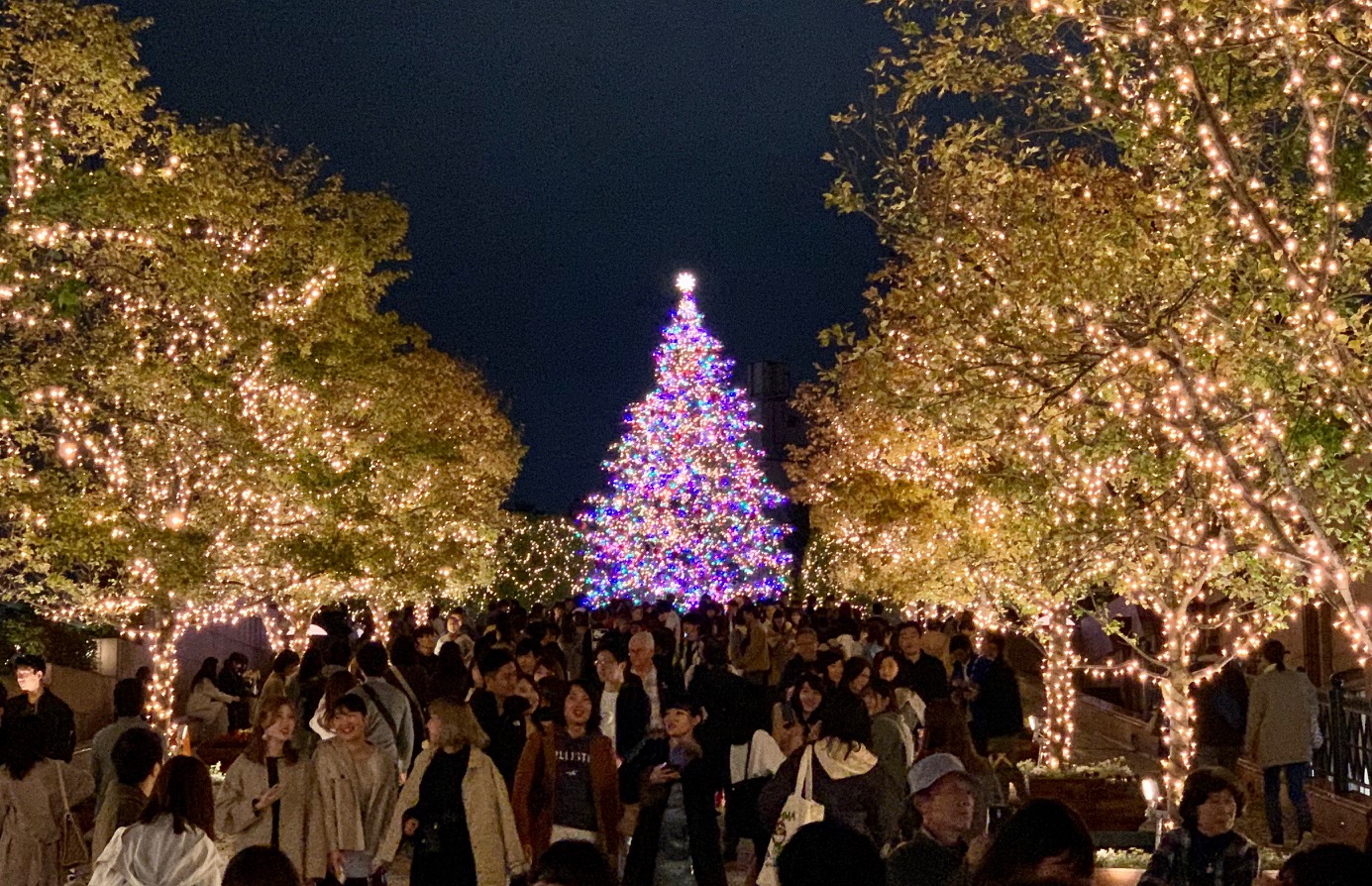
Yebisu Garden Place in Ebisu - For a nice, hip feeling, sake bar with delicious food pairings run by a group of Japanese ladies try Gem by Moto in Ebisu. We’ve had great times here. (Japan Times Review). Across the street from Gem by Moto is a fun spot for a dinner called Fummy's Grill with a nice wine selection, fresh salads and vegetables. We recommend the roast chicken main course (Chicken Daisen). If you have a large group, Fummy’s also provides a set menu with their most popular items and all you can drink for 2 hours (~5,500 per person).
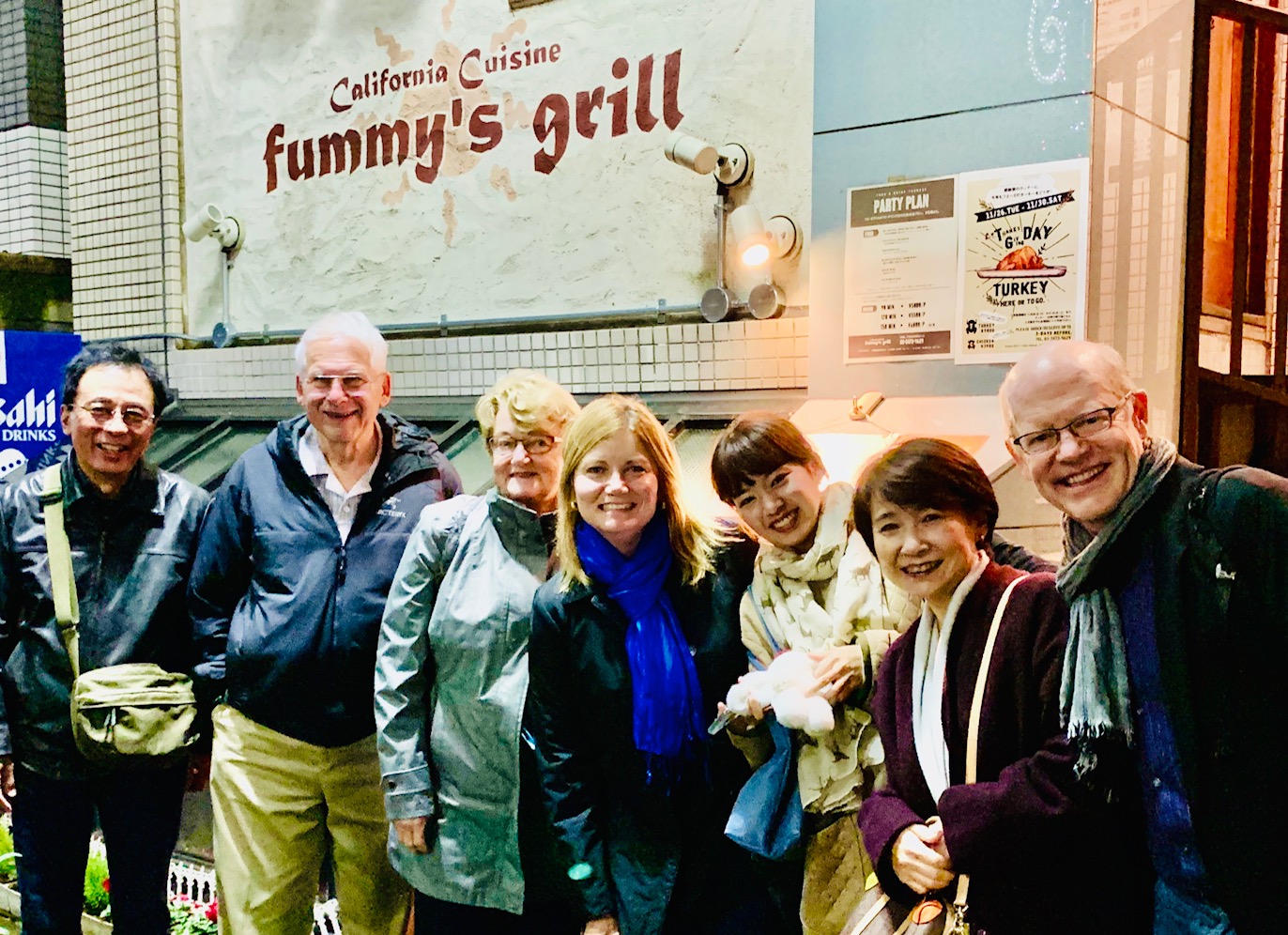
Gem by Moto Sake Bar & Fummy's Grill in Ebisu - Another great restaurant in the Ebisu neighborhood is a Mexican restaurant called Kiyas that serves a contemporary fusion of classic Japan stove dining with modern mexican cuisine. Great place to go with groups and reservations are recommended as the restaurant only seats 26 people. The menu is based on a set course that varies and the restaurant is good about letting you substitute in alternatives items if needed. The wines were great too!
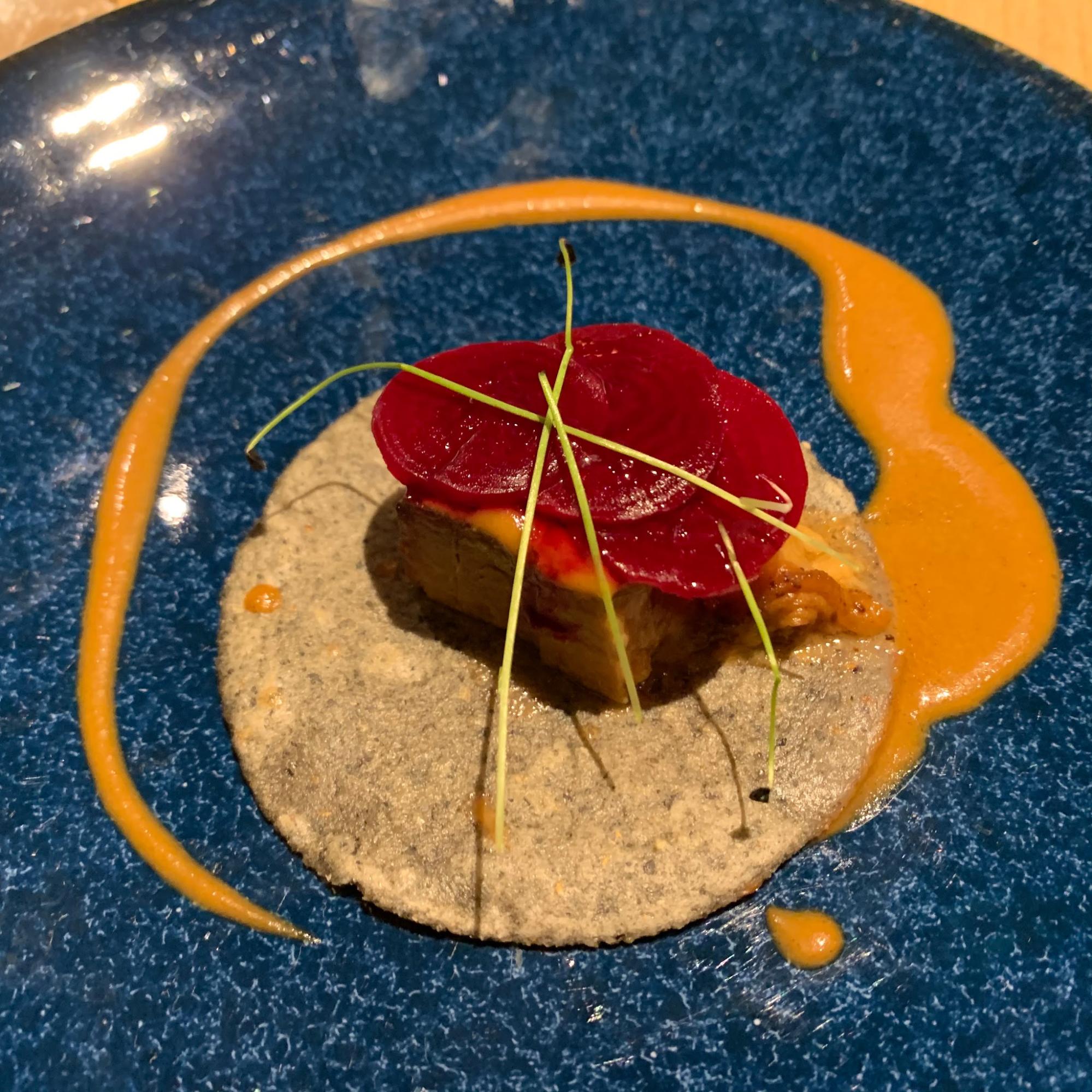
Kiyas Contemporary Japanese-Mexican Fusion in Ebisu - There is now a Din Tai Fung on the 7th floor of the new Atre Ebisu West building adjacent to Ebisu Station. This international chain of Chinese dumpling restaurants is in a league of its own in terms of consistently high food quality. The reason the food is so good is that everything is prepared fresh on site. See video here. This location is the nicest one we have been to, (we discovered Din Tai Fung in Shanghai and have been to branches in Singapore and Seattle) with several window tables for two and counter seating looking out at the city view - call ahead and book one of these window tables and you will not be disappointed.
Daikanyama
- Daikanyama is one of our go-to neighborhoods for dining, especially outside dining. It’s a very fashionable area with trendy restaurants and shops, and is sometimes called the Brooklyn of Tokyo. For a great rooftop Mexican dining/drinking experience with 360 degree views of Tokyo we recommend Haciendo del Cielo on the top 9th floor of a Daikanyama building overlooking the city. We have spent several very pleasant weekend afternoons here “sampling” Mojitos and Margaritas while enjoying the outside sunshine and great views.
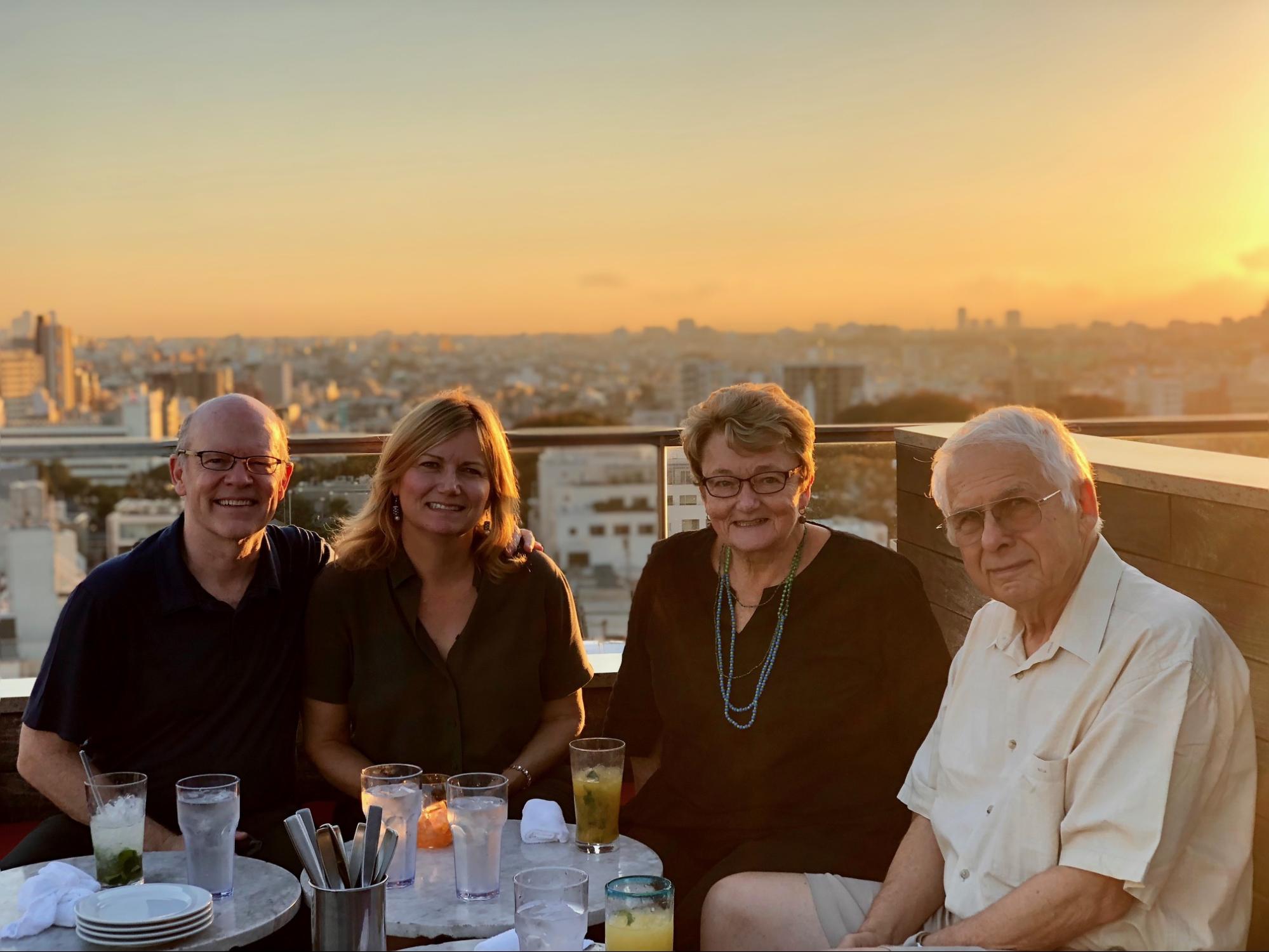
Hacienda del Cielo Rooftop Dining in Daikanyama - A five-minute walk from here is another favorite venue that provides outside seating, Spring Valley Brewery, where you can sit outside while enjoying beer and casual food. We like the beer sampler, and for something a little different and refreshing try the shiso infused citrus beer. They have a lovely kale salad and the food quality is high overall. The brewery is located in a rejuvenated area of Daikanyama called the Log Road that starts just north of Daikanyama station on the Tokyu line. Completing the outdoor dining trifecta in Daikanyama is a BBQ restaurant called Glams BBQ Lounge where you can enjoy BBQ on an outdoor terrace. Cedros, an American-style seafood restaurant with a California vibe (owned and run by two Japanese brothers who grew up in San Diego) is just up the hill. On the other side of the tracks, a great dessert venue option after dinner is Paletas, which offers colorful popsicles made from a variety of different fruit types. About a 7-minute taxi ride from Daikanyama (closer to Meguro Station than Daikanyama) is recently opened Locale, a farm to table style restaurant run by American chef Katy Cole. Tucked into a back street near the Meguro River, Locale is off the beaten track. A great place to bike to brunch for on Saturday and Sundays that is actually open when you would expect brunch to be served (9:30am -2:30pm). Also a fun, cozy atmosphere for dinner (but we have not been there for dinner yet).
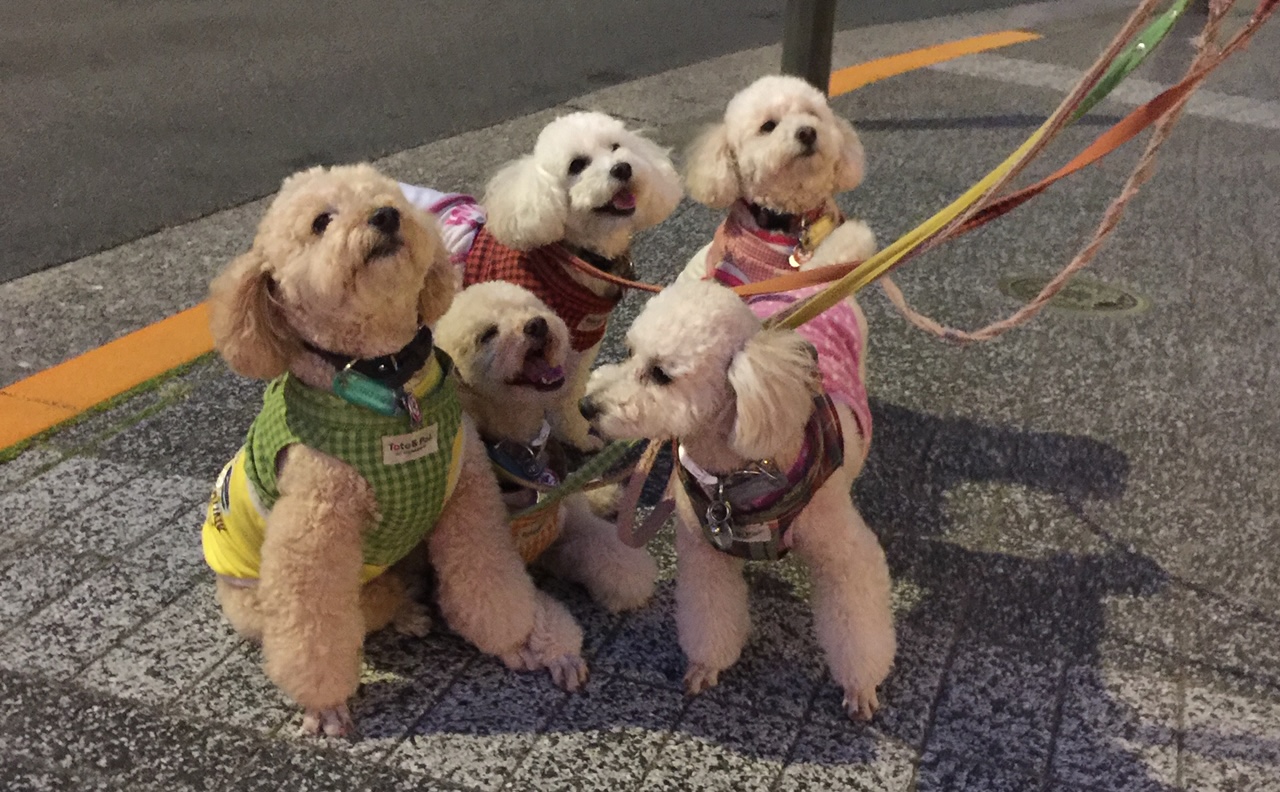
Daikanyama Log Road & Outdoor Terraces
Roppongi / Nishi-Azabu Area
- Popular bar and club scene. Popular bars with the foreign crowd in Roppongi include Trainbar, Propaganda (famous for Long Island Ice Teas), Geronimo Shot Bar (late night action), and Motown (very late night action, great but very loud music selection). For a bit more upscale, quieter dining bar/lounge experience where it’s easier to carry on a conversation try R2.
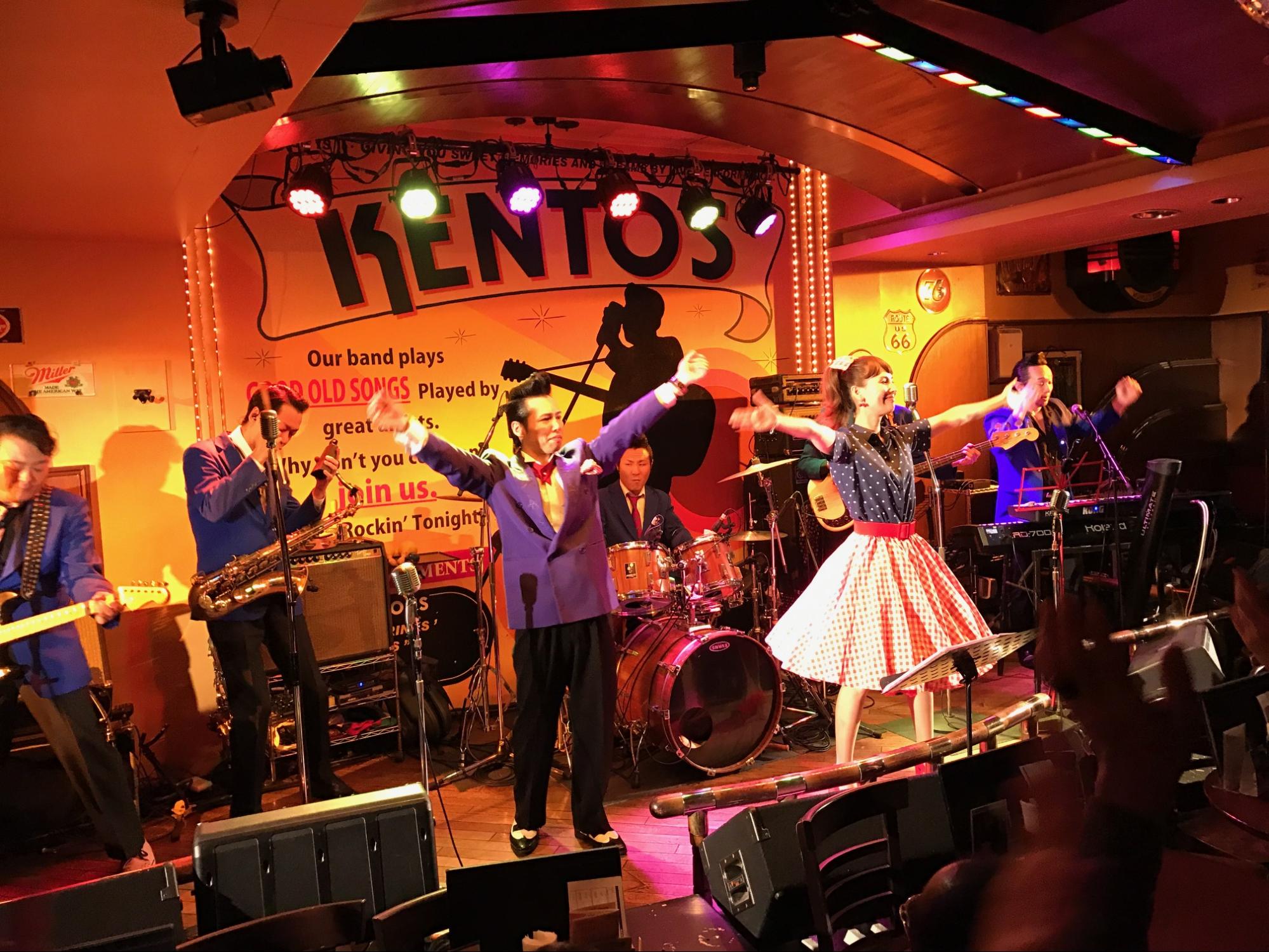
Roppongi Nightlife & Bars - Abbey Road - Japanese love to recreate Western music... and they're great at it. Every night, this bar band plays several sets of your favorite Beatles tunes ($25 cover). A must for any Beatles fan. Make a reservation for the best seating. The first of four sets starts at 7:30 pm. Another popular live music spot is Kento’s where you can enjoy (and dance to) live US music from the 50’s and 60’s (see video here). The first of 4 sets also starts around 7:30 pm each night with cover charge in the same range as Abbey Road.
 Video: Kento's Roppongi — Live 50s & 60s Music & Dancing Open on YouTube ↗
- Bauhaus - Bauhaus is legendary among foreign residents of Tokyo for its high-quality rock renditions and consistently lively vibe. It is a bar like Abbey Road and Kento’s, but wilder and the band plays a wider range of rock music. We went here on Christmas Night a few years ago. Needless to say, it was epic. Long-established, Bauhaus has moved a few times over the years and they recently moved to a new, larger space close to their old location. Their signature is music by Queen, so if you have a hankering for a top-notch rendition of Bohemian Rhapsody while in Tokyo, you need to go here.
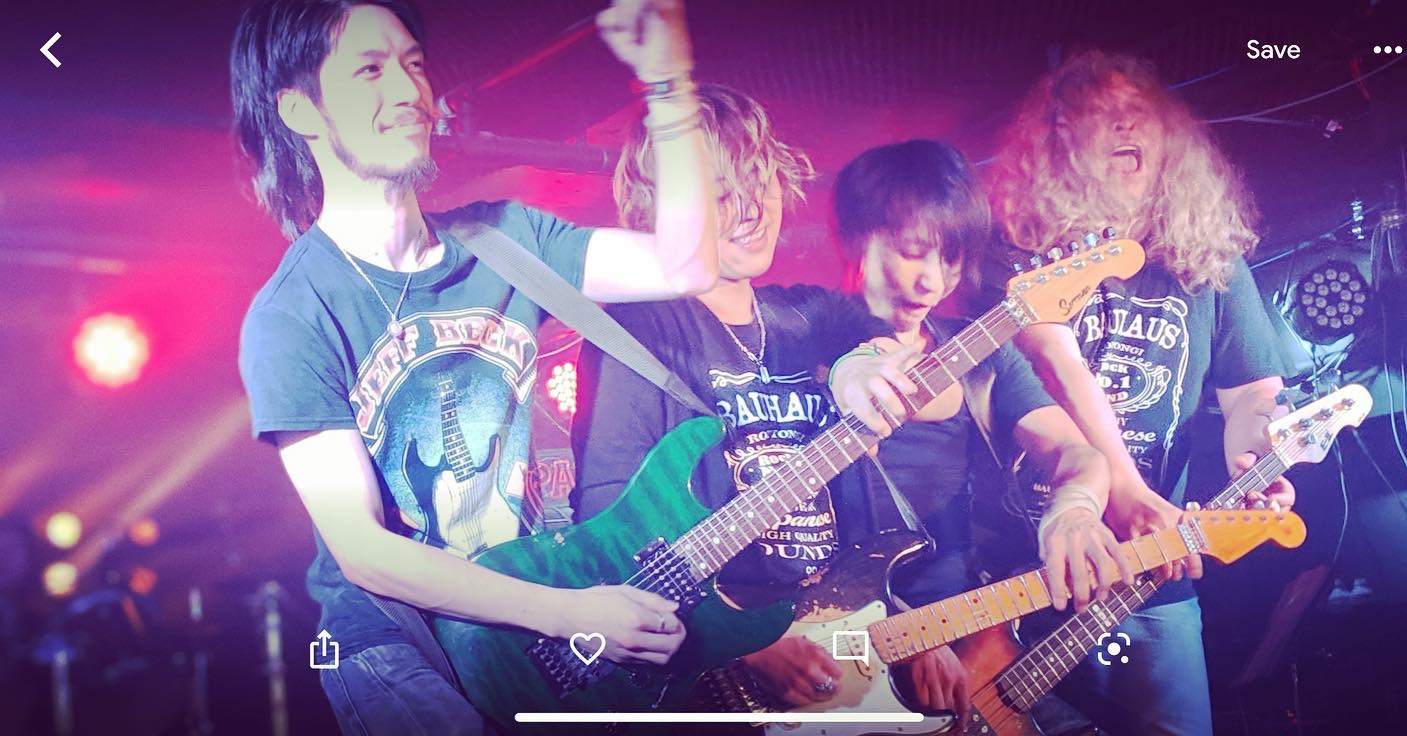
Bauhaus Live Rock Bar in Roppongi - Nogizaka Uoshin - great restaurant for sushi, sashimi and other fish dishes at a reasonable price in a fun, casual atmosphere (it is a 5-minute walk from Roppongi Crossing toward Aoyama Dori just past Tokyo Midtown). The building looks like (is) a ramshackle two-story shack with plastic film for windows, but this adds to its charm. They serve standard sushi and sashimi and many cooked fish and shellfish options, but their signature is Nokke-Zushi -- literally, “piled-up raw fish” -- which consists of chopped tuna, crabmeat, ikura (salmon roe) and uni (sea urchin) over rice. (We aren’t partial to uni, but they are happy to replace the uni with extra crabmeat.) They also serve a delicious, shredded cabbage salad with a light, creamy dressing. Reservations recommended but not mandatory.
Nogizaka Uoshin Nokke-Zushi Seafood - Uokin Shimbashi is another good, affordable fish/sushi/sashimi restaurant with a Roppongi branch near Nogizaka Uoshin and Midtown. Unlike Uoshin, Uokin has an elegant space and atmosphere and so is good for quiet, relaxed conversation with comfortable seating.
- Another affordable seafood option in the heart of Roppongi we like is Uni Seafood. Although we are not big fans of Uni (sea urchin), don’t let the name of this restaurant put you off. They have a broad selection of seafood options in an upbeat atmosphere in a very cool corner of Roppongi.
- Gonpachi - located about a 15 minute walk toward Shibuya from Roppongi at Nishi-Azabu crossing, Gonpachi is a popular izakaya style restaurant that’s famous for the Kill Bill film scene shot there. A bit touristy but fun - reservations recommended.
Gonpachi Izakaya at Nishi-Azabu Crossing  Video: Kill Bill Open on YouTube ↗
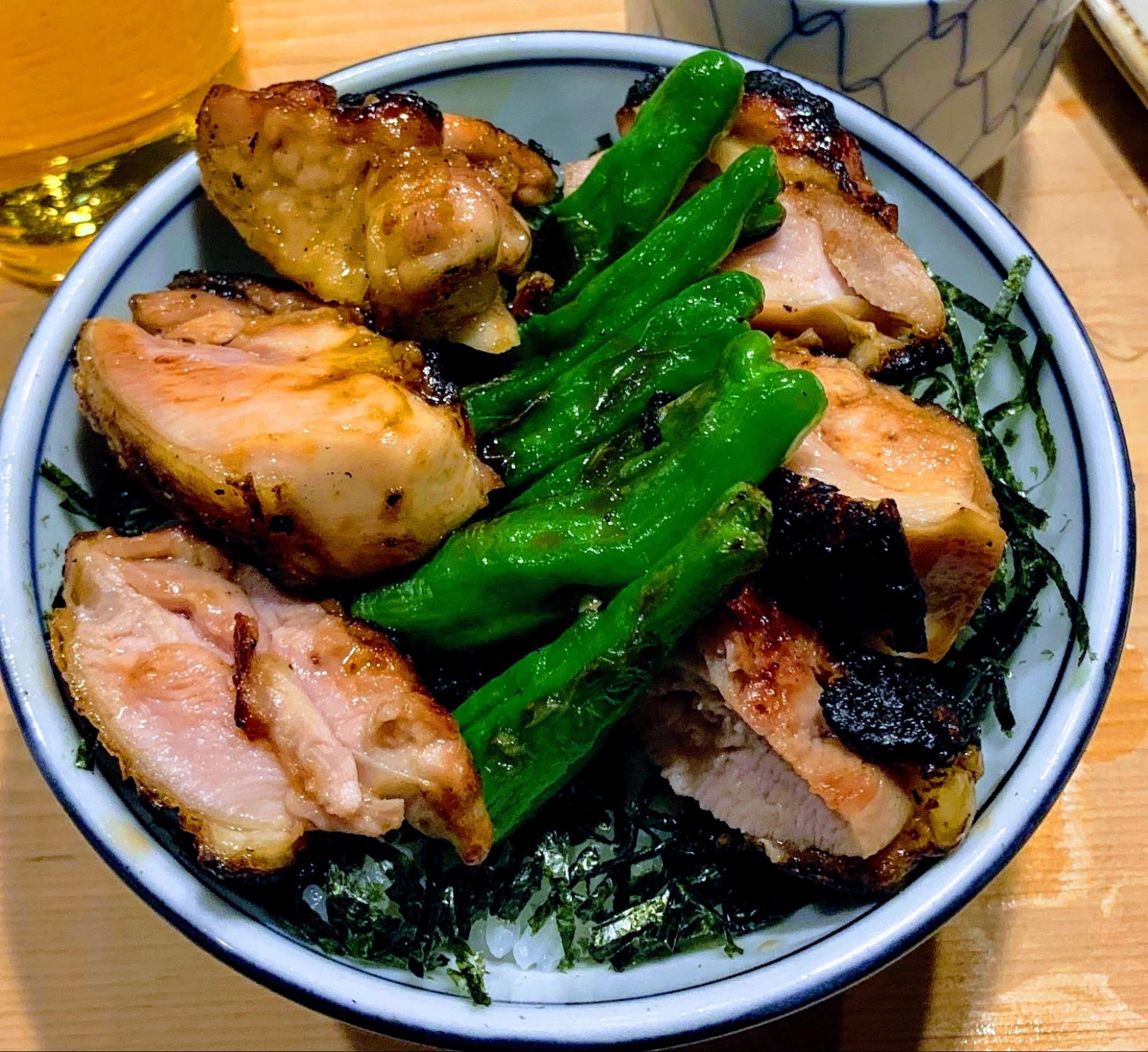
- Also, near Nishi-Azabu crossing is our favorite local neighborhood yakitori restaurant, Toriyoshi located here. Make sure you order the “kijidon” (small chicken teriyaki bowl with peppers) at the end of your meal...absolutely delicious but order ½ way through your meal as it takes a bit of time to prepare. Here is a link to a video from Toriyoshi. Right around the corner from Toriyoshi is Bistro Champagne Tresors, a great Nishi Azabu place to go for a glass of champagne. The bar/bistro is run by a couple of folks who know their sparkling wines (and have collected wine cooler buckets from around the world). Their 6 - 7:00pm happy hour is a great place to start off the night.
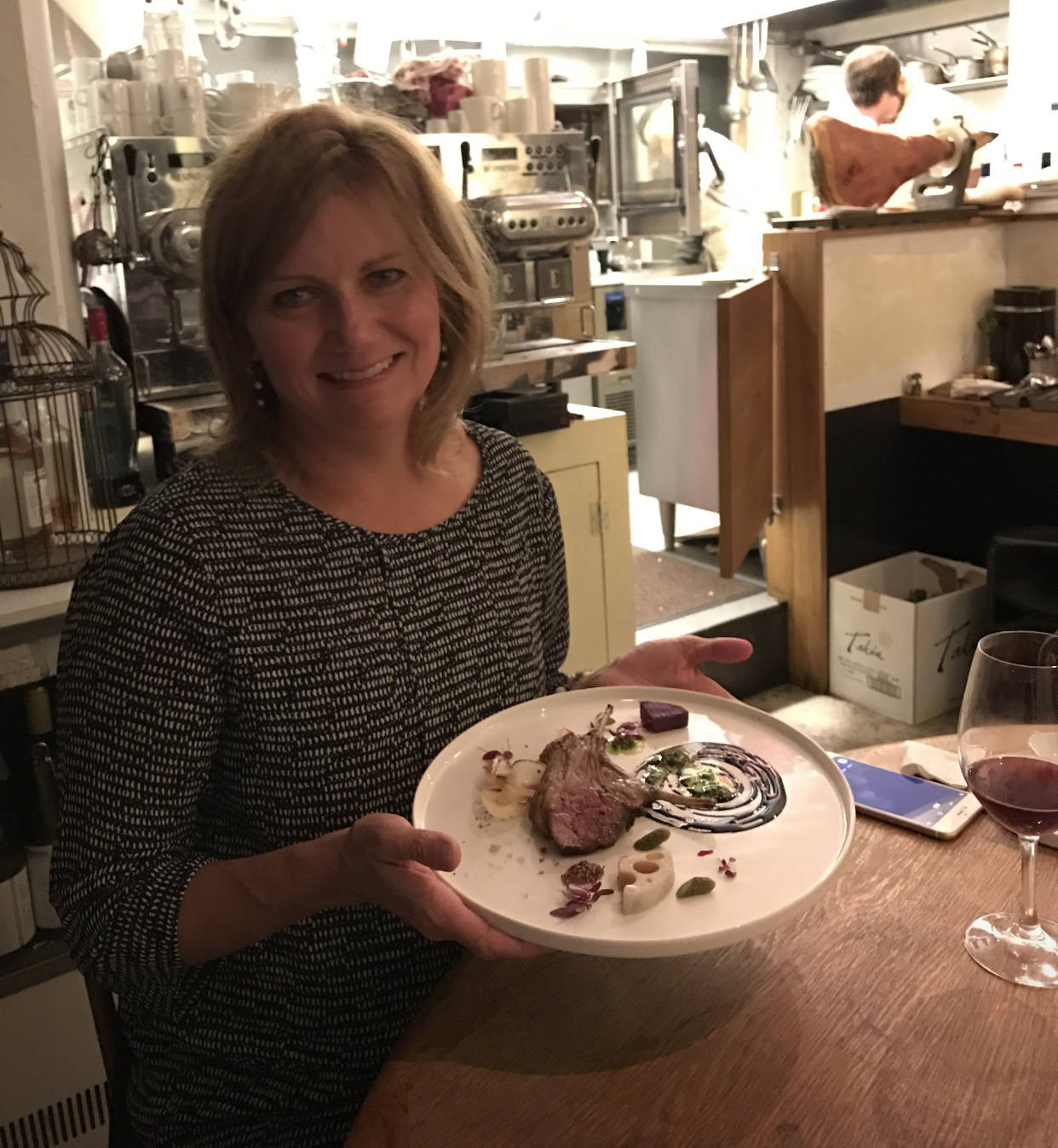
Toriyoshi Neighborhood Yakitori in Nishi-Azabu 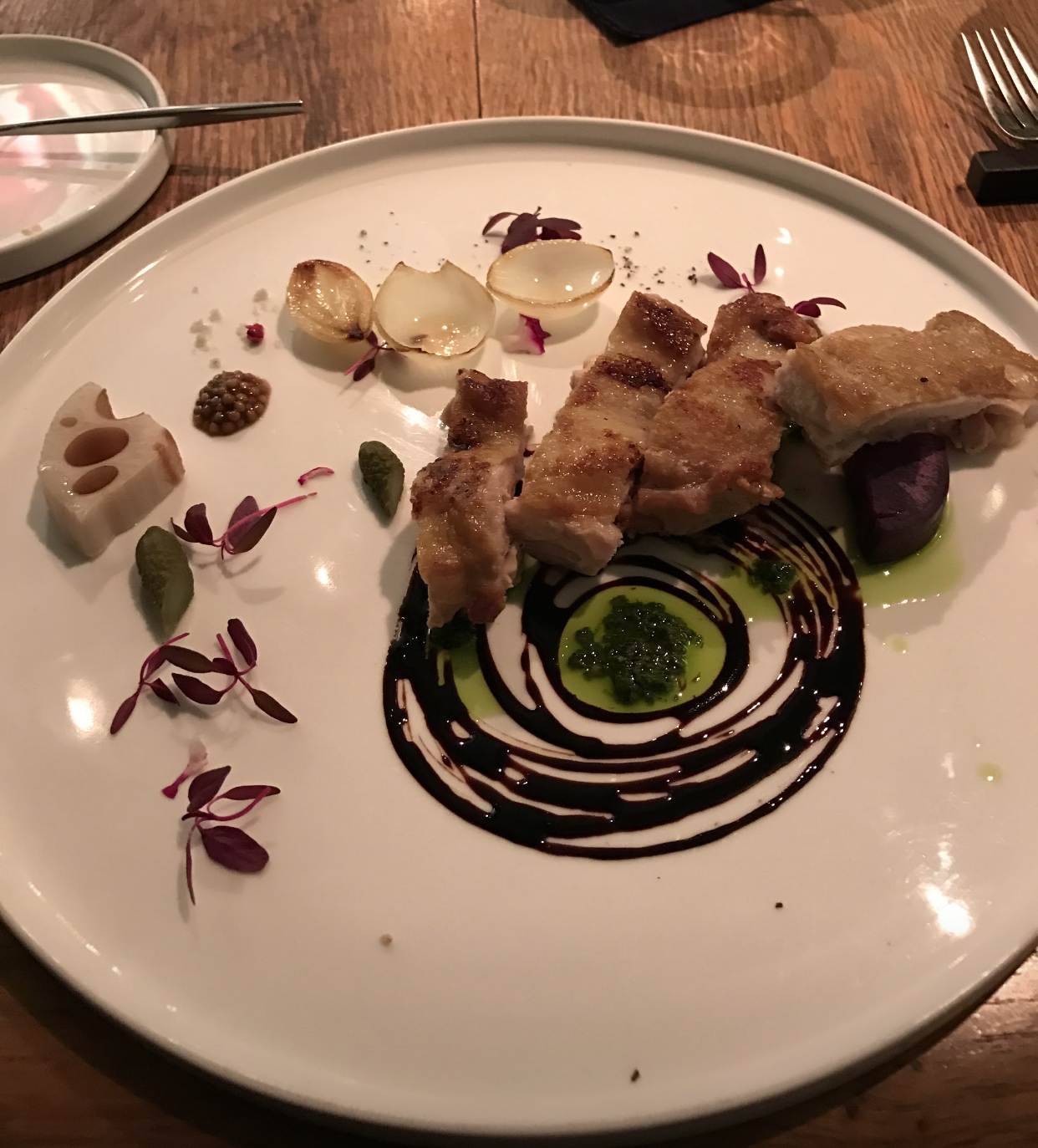
Bistro Champagne Tresors in Nishi-Azabu  Video: Toriyoshi Yakitori in Nishi-Azabu Open on YouTube ↗
- Another fun French Bistro not far from Nishi Azabu Crossing is Plate Tokyo where you can either have a full course or a la carte meal, or have just have a glass of wine nightcap - always served with lots of personality (location here.). A short walking distance from Plate Tokyo is a quiet, elegant, and traditional Japanese Izakaya call Ogi (highly recommend the cold sake and the pork-cabbage dish). Not far from Ogi is one of our favorite go to Italian restaurants for special occasions, Cucina Tredici Aprile (set menu only & expect to pay Yen 14,000 per person with wine). The restaurant is run by a charming husband-wife team with beautiful crockery - always a special evening. About a 30 feet away from Cucina Tredici Aprile is a fun place to stop for after dinner cocktails called Library Lounge THESE. It’s set up as a two floor “library” with lots of nooks and crannies for quiet conversations. When you arrive, the staff ask guests to pick a drink based on a bowl of fruit they show you and the alcohol of your choice. When the weather is right there is also seating on the roof. Not far from Library Lounge THESE is an affiliated bar called Boctok that serves similar seasonal fruit cocktails in a more traditional lounge atmosphere setting. Also located near Nishi Azabu Crossing is a recently opened “creative Italian” restaurant called Saccapau. A bit pricey but an amazing set course dining experience (we recommend doing the wine pairing) that delivers up some of the most creative dishes we’ve seen in Tokyo (expect to pay Yen 20,000 per person). Just up the hill from Nishi Azabu Crossing toward Shibuya is another one of our all time favorite Italian restaurants, Antonio's. Make sure to order the veal parmigiana. If you are looking for a good sushi restaurant in the Nishi-Azabu area, we recommend Sushi Furukawa where it’s best to order the “omakase menu” (let the chef decide) and just let the chef know if there is something you don’t like. Expect to pay Yen 15,000 per person including drinks for higher quality sushi outing. If you would prefer a less expensive sushi restaurant option in the area that still is quite good, we recommend Sushi Misakimaru near Hiroo station. If you like roasted chicken and vegetables served with a large wine and craft beer selection, try Le Plus Marche near Hiroo station next door to Sushi Misakimaru. It takes about 40 minutes for the chef to cook a full chicken but you can call in advance so it will be ready when you show up. A fun Japanese style yakiniku restaurant in Nishi Azabu is Niku Azabu where you can barbecue meat at your table in a fun, upbeat atmosphere (see video). Reservations recommended. For a nice French cuisine dinner near Nishi Azabu Crossing we recommend Epices Kaneko (reviews). Located on the 1rst and 2nd floor of a home reportedly owned by the famous Japanese actress, Kirin Kiki, the restaurant is very cozy with just a few tables, attentive staff and a delicious set menu where you can pick from a few options.

Nishi-Azabu Dining & Library Lounge THESE  Video: Niku Azabu — Tabletop Yakiniku BBQ in Nishi-Azabu Open on YouTube ↗
- If you are looking for something a little different to do in Tokyo one night after dinner you might want to check out Black Rose near Nishi Azabu crossing. It’s considered to be a “light S&M club” but is actually pretty tame, and can be a fun place to take out of town guests who want to experience the edgier side of Tokyo. The women, who are dressed in leather, mingle with the guests and have dance sets every 30 minutes. For a small extra charge they will drip hot candle wax on your arm (it doesn’t hurt). If you are looking for a nice, casual Japanese standing bar near Nishi Azabu Crossing, we love Joe's Bar, which is open 6:00pm - 6:00am and always has a friendly, lively crowd. Another fun place near Nishi Azabu in Minami Aoyama is a live band Karaoke bar called Gigabar where you can go on stage and play with the cover band (if you know how to play an instrument well!). It’s fun to watch guests take a turn at playing with the band - and some are really good. Tokyo also has a lot of great live jazz locations. Here is a list of the most popular places to listen to jazz in Tokyo. Our favorites on the list are Body & Soul, Blue Note and Billboard. Not on this list but very good in the Roppongi area are Alfie and Electric Jinja, the latter is especially good late on Tuesday nights when performers from other clubs and concert venues come here to jam until the wee hours of the morning.
- Mori no Beer Garden (literally, Beer Garden in the Forest) located in Meiji Jingu Garden (Meiji Jingu Gaien) is about a 10 min taxi ride from Roppongi. Highly recommended in late spring, summer, and early fall (check the website for exact dates of operation) if you want to get a taste of the traditional outdoor Japanese beer garden experience.
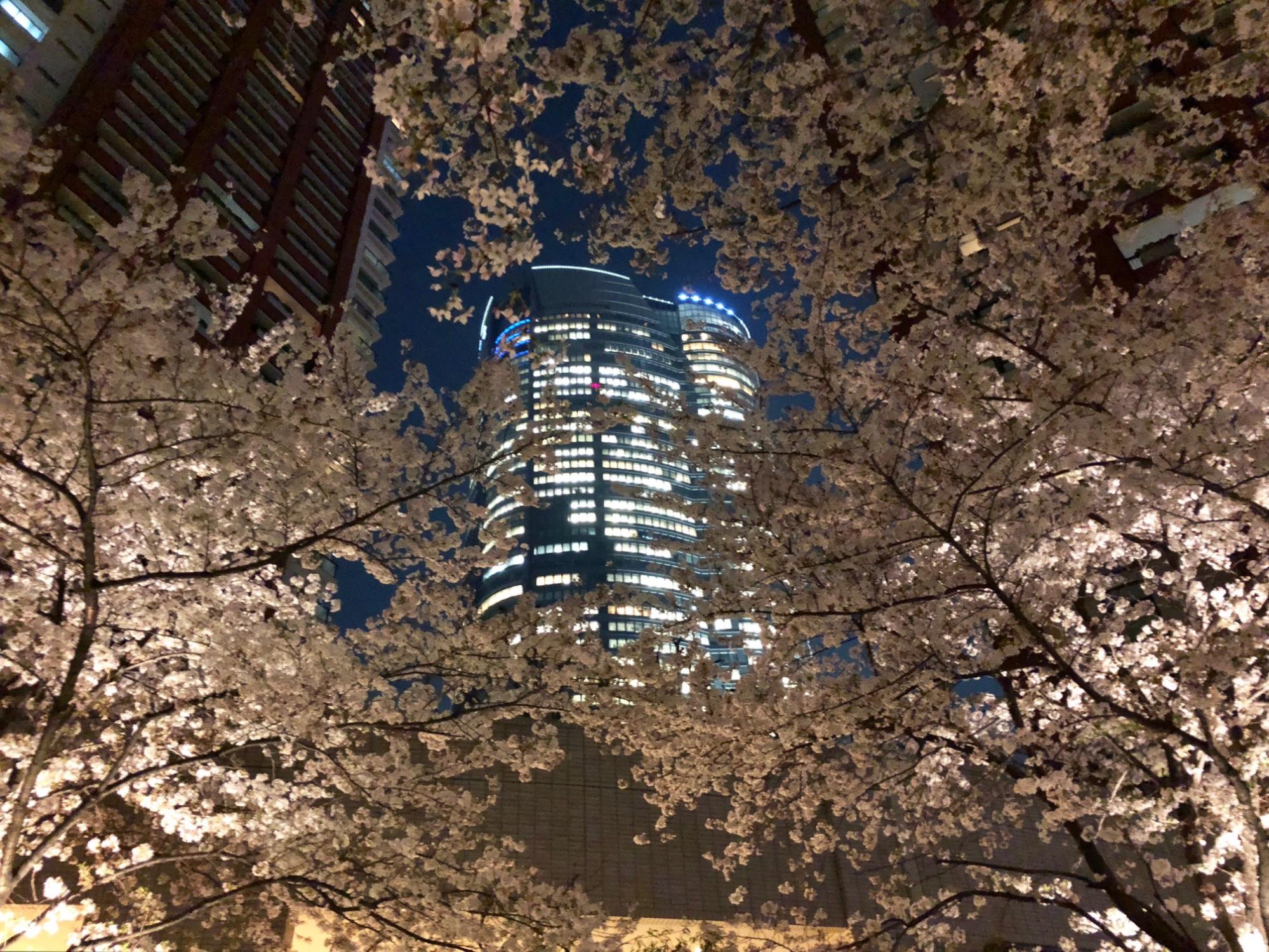
Mori no Beer Garden in Meiji Jingu Gaien - Roppongi Hills is a beautiful shopping, eating, and office complex that we recommend wandering around. Go to the top floor of Mori Tower and do the observation deck or Mori museum (exhibits rotate). It is nice to be in the observation area around sunset for the prettiest light.
- Tokyo Midtown, near Roppongi, is an elegant mall with shopping and dining and the small and lovely Suntory Museum, which hosts exhibitions of traditional arts. Located in Tokyo Midtown is Tokyo Midtown Clinic where you can find medical care if needed with English speaking staff. They have a very good English website. One of the best places to have a drink and enjoy a great view of Tokyo is The Lobby Lounge at the Ritz Carlton on the 45th floor of Midtown. Be sure to get there before 6:00pm to avoid a cover charge. Other good restaurants in this complex are Napule Pizzeria (reservations mandatory - ask for terrace seating if the weather is nice - there are also heaters and blankets provided) and Union Square Cafe (a branch of the famous New York restaurant).
Tokyo Midtown & Ritz-Carlton 45th Floor Views - If you happen to be in Tokyo around the holidays don’t miss the Illumination light show in the park behind Midtown. Very near Midtown is a great all-you-can-eat shabushabu restaurant called On Yasai, and a great little, and affordable neighborhood izakaya called Uoshin next to the entrance of Nogizaka Station. Not too far from Uoshin (in the direction of the National Arts Center) is another affordable seafood izakaya style restaurant called Uokin that we highly recommend. The popular seafood restaurant chain in the Shimbashi area recently opened up their first store in Roppongi.
Tokyo Midtown Holiday Illumination Light Show  Video: Tokyo Midtown Holiday Illumination Light Show Open on YouTube ↗
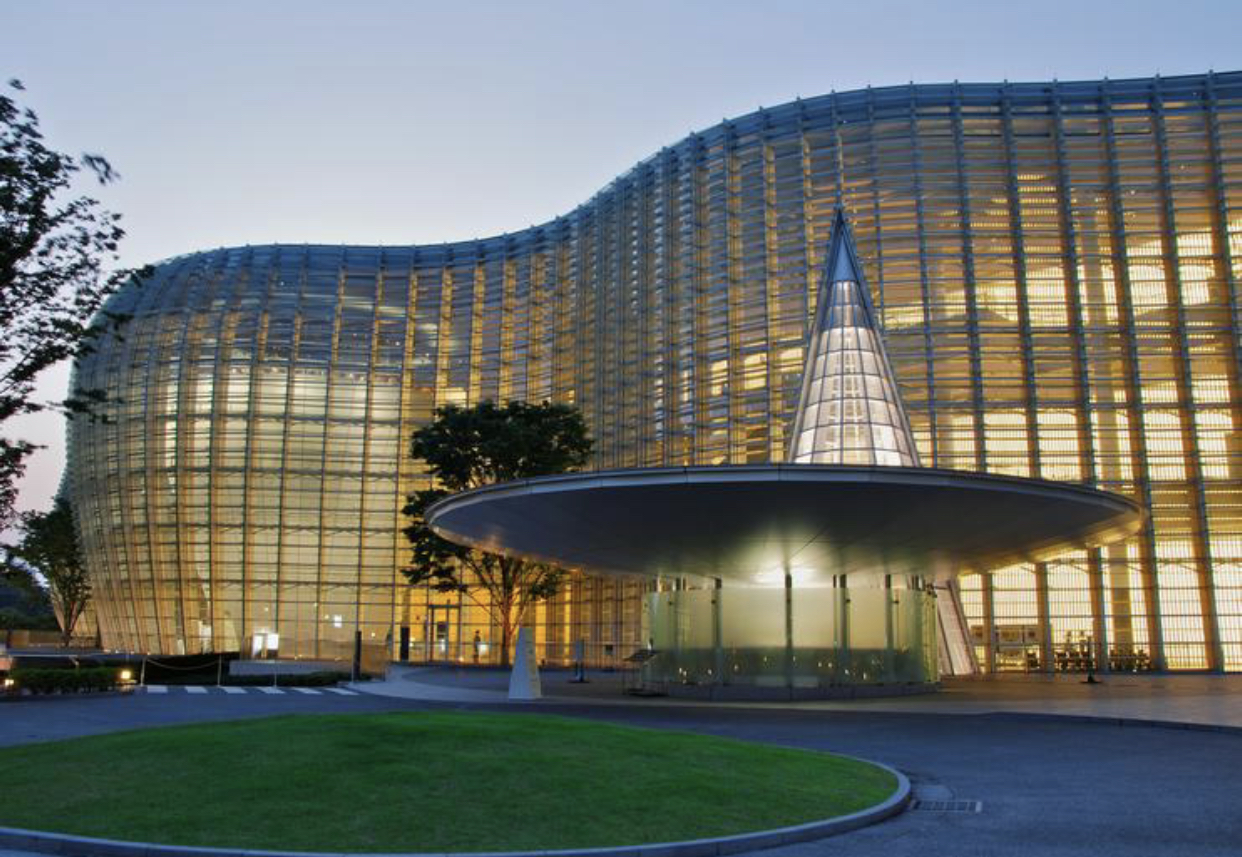
- Architecture and art buffs will like the National Arts Center near Nogizaka Station (good to combine with a visit to Midtown -- it is very near.). The upstairs French Cafe here is a great place to take a break, enjoy an affordable glass of wine (by Tokyo standards), and plan your next stop. More background on the Arts Center and other Tokyo museums here.
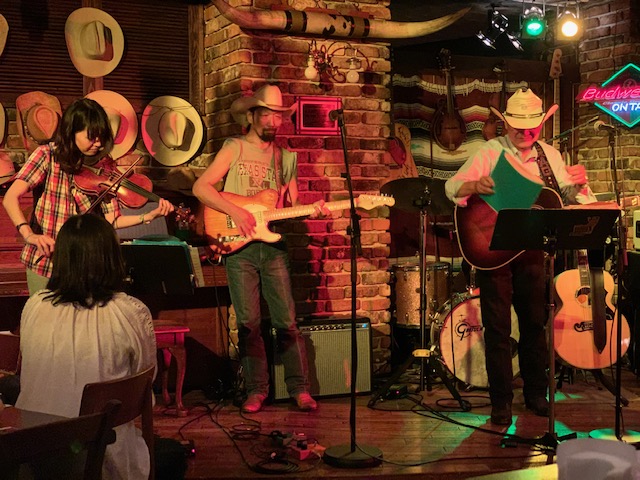
- Also not far from Midtown (10 minute taxi ride) is one of the nicest Japanese gardens in Tokyo located behind the Hotel New Otani. The 10 acre garden, surrounded by the outer moat of the historic Edo Castle, is 400 years old and spectacular. You can enjoy brunch in the hotel garden restaurant overlooking the garden. A five minute walk from New Otani is a fun ninja-themed restaurant called Ninja Akasaka. The restaurant has trap doors and hidden hallways with Ninja actors interacting with guests. It’s a bit touristy but the food is actually quite good (expect to pay about Yen 10,000 per person for the set menu course). Here's a video that provides more background on the experience. Also in Akasaka is a fun little Japanese izakaya we’ve been to a few times called Musashi Chabu that has great food (sushi, shabu shabu) and a great selection of sake. It’s best to go on a weekend as restaurants in the Akasaka area can be quite crowded with business folks on weeknights. A good, reasonably priced Thai food restaurant in Akasaka is Ananda. For a traditional, chicken dinner (grilled, hot pots, etc) in Akasaka in an "old style" Japanese restaurant we recommend Yoinokuchi, which is located a short walk from Akasaka station. Private rooms are available. For teppan-yaki in Akasaka we recommend Dante. Another simple, traditional fare Japanese restaurant (with great ambience) we like is Umaya. Nice place to bring guests for an affordable, Japanese izakaya style meal in a beautiful, old traditional building with a charming entrance and landscaping. The food is based on ingredients from Kyushu...Great yakitori, pork shabu-shabu; simple nabe hotpots; plenty of vegetable dishes. You can order a la carte or by course (reviews). For Chinese in Akasaka try Baiwan Jukairo Akasaka. If you have a hankering for country music and a desire to give line dancing a shot in Tokyo, check out Country House right above Akasaka Station. Live country music every night, affordable cover charge/drink/food prices, and very friendly owner/staff. The bands usually mix in a little light rock & roll with the bar’s standard country music fare. Short video of the experience at Country House: here.
Hotel New Otani 400-Year-Old Japanese Garden  Video: Ninja Akasaka — Secret Passages & Ninja Dining Experience Open on YouTube ↗
 Video: Country House Akasaka — Live Country Music & Line Dancing Open on YouTube ↗
Azabu-juban
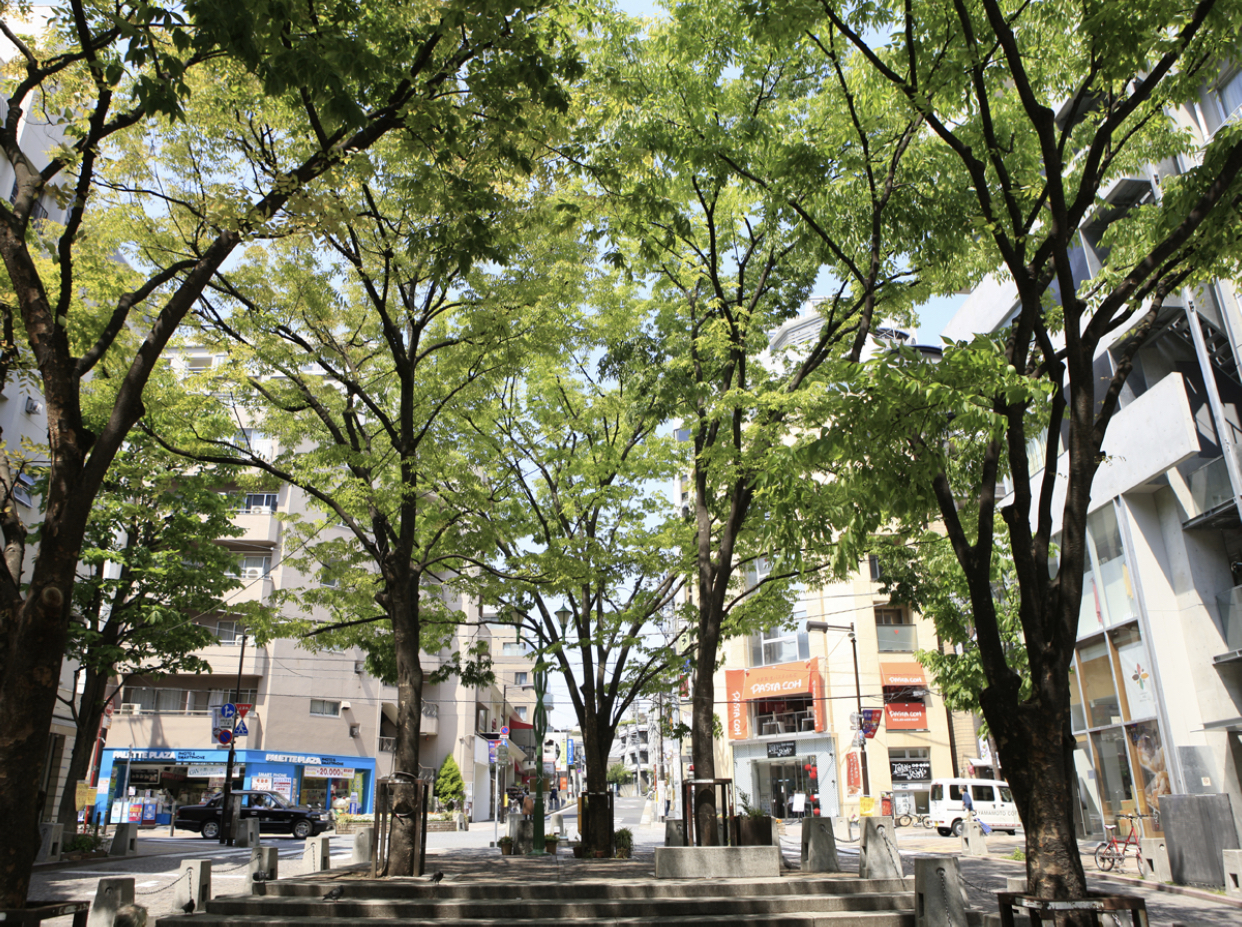
- The Azabu-juban area of Tokyo has a traditional yet trendy feel to it, and it’s not over taken by tourists though it has a large international population given its proximity to embassies and international schools. It is by far one of our favorite neighborhoods in Tokyo.
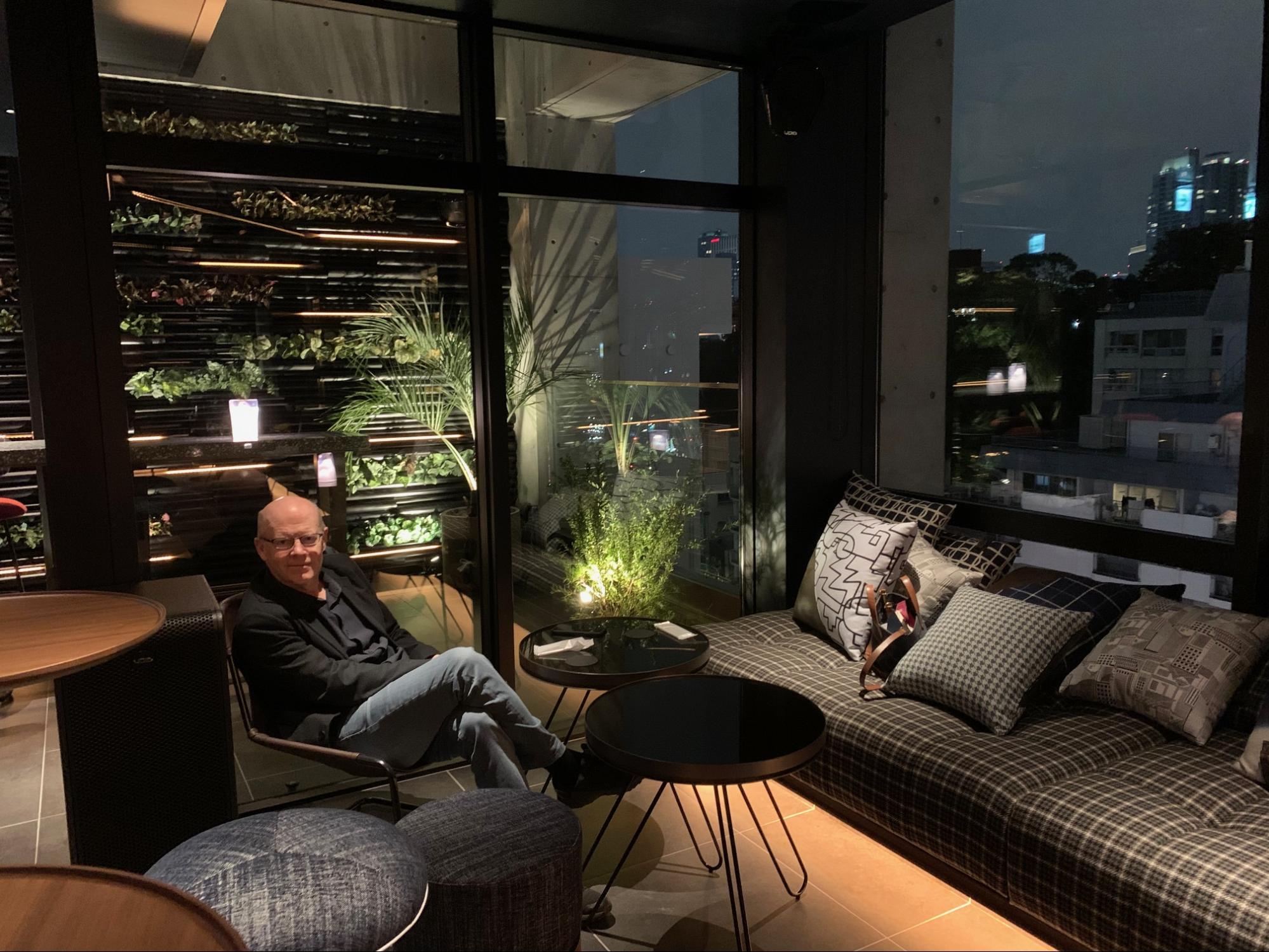
Azabu-Juban Neighborhood Streetscape - A very hip boutique hotel called The Lively just opened here in November 2019. It’s the hotel chain’s 3rd location (the other 2 are in Osaka and Fukuoka). It has a very hip atmosphere and affordable (though small) rooms. The theme is “Urban underground subcultures, with the blending of creativity and technology”. The 2 things we like most about it are its cozy 9th floor bar for after or pre-dinner drinks with a view of the skyline and Tokyo Tower (open 6:00 - midnight), and its 2nd floor, outdoor terraced bar/lounge where you can enjoy a light meal (including a nice breakfast starting at 7:30am) or drinks until 10pm.
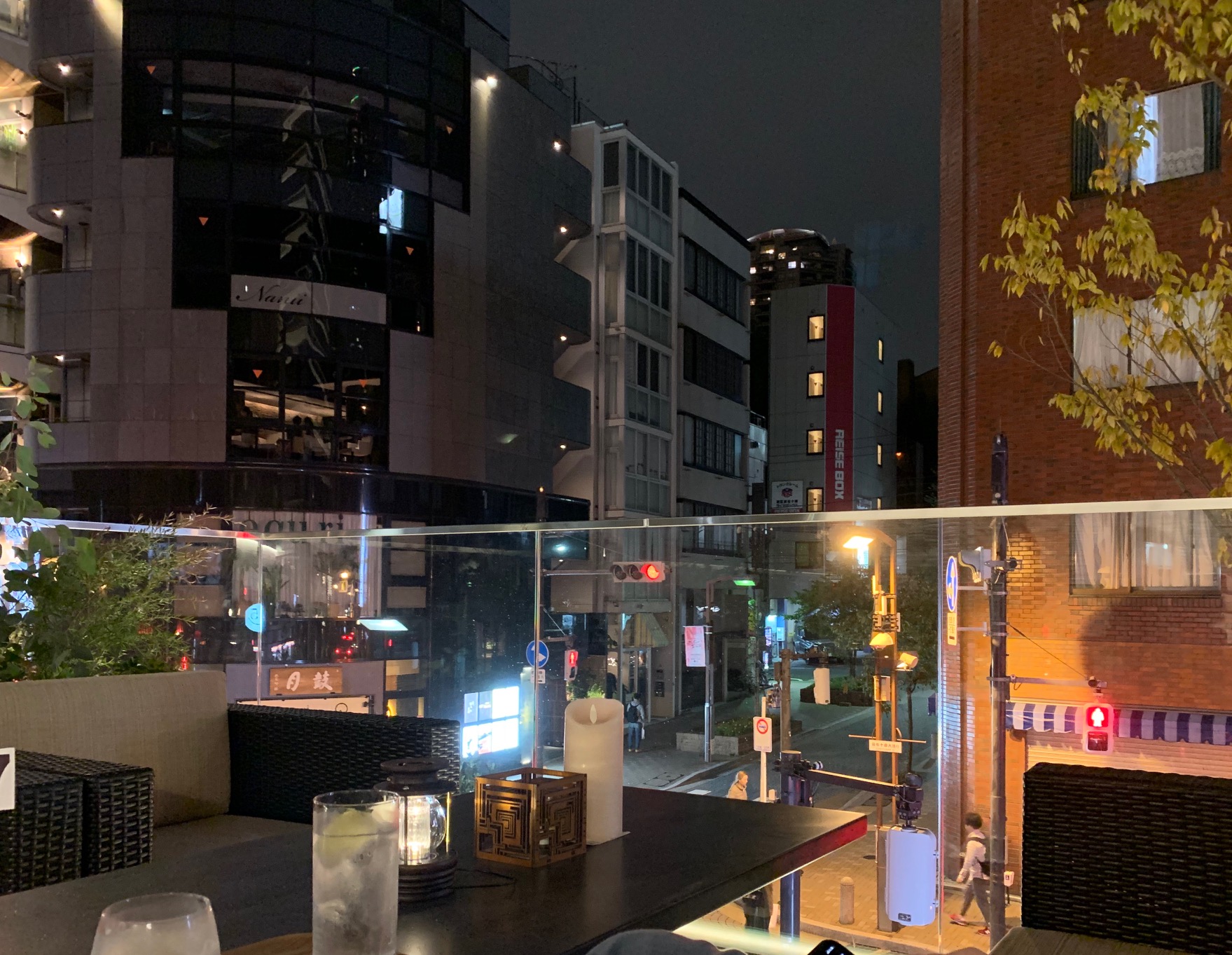
The Lively Boutique Hotel in Azabu-Juban 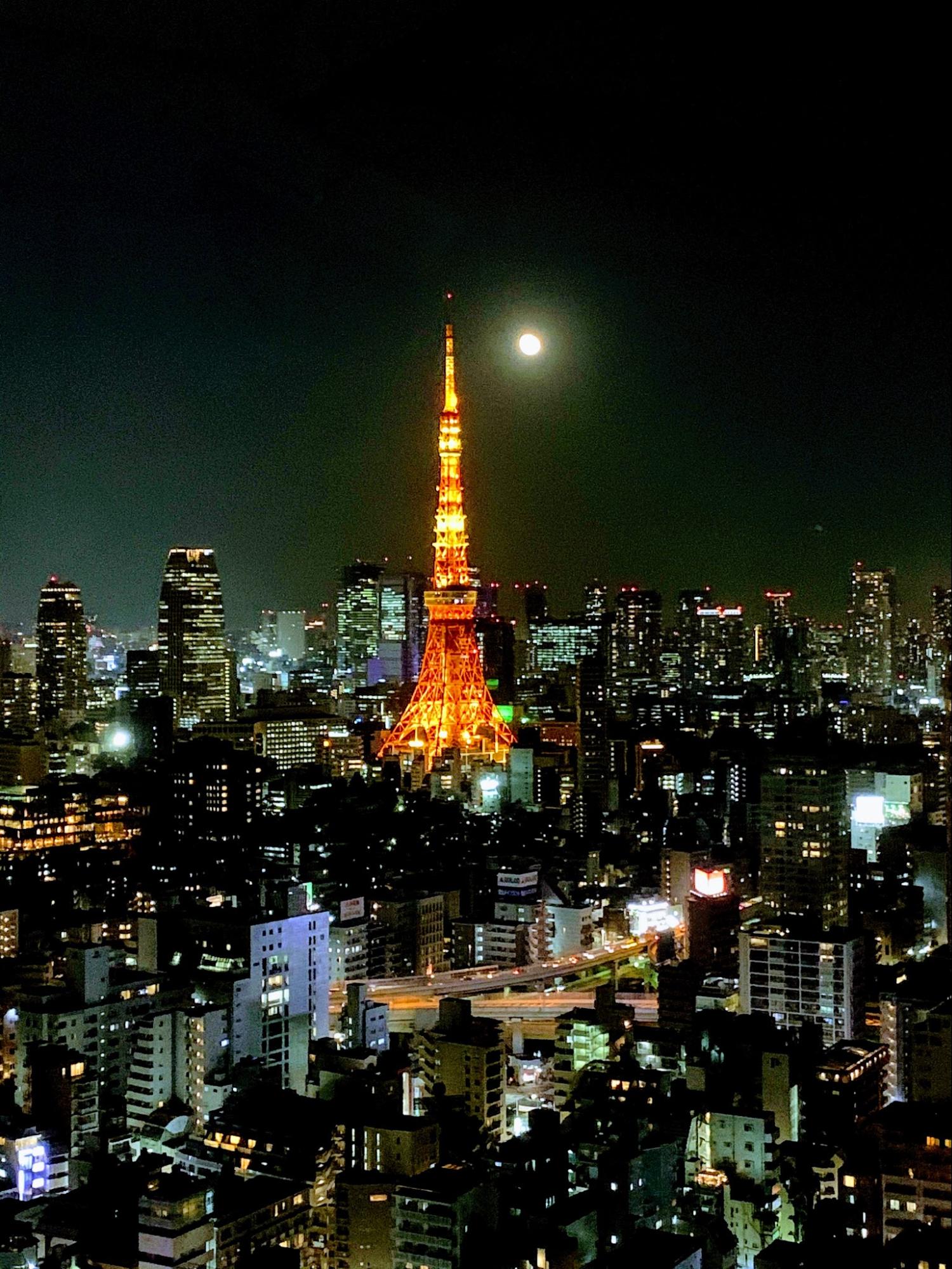
The Lively Rooftop & Terrace Lounge in Azabu-Juban - Two of our favorite restaurants in the Azabu-juban (and here) shopping district near Roppongi are Savoy for great wood oven pizza, and the recently opened organic food restaurant, We Are the Farm. Savoy is a small (seats 12 people) pizzeria that consistently serves the best pizza we’ve found in Tokyo (reservations recommended; video here). We Are the Farm offers seasonal organic cuisine in a modern, cozy, low light and hip atmosphere in the middle of Azabu-juban. If you can’t get into Savoy and want delicious wood oven pizza, you can also try Pizza Strada nearby, which was established by one of the chefs from Savoy. It’s a larger version of Savoy, has a bigger menu, and has great Italian meatballs! Not too far from Pizza Strada is a small, casual 2nd floor Italian restaurant (no smoking), Nanohana Trattoria that seats 18 people and is run by the chef and one waitress (very polite). Dinner for two with a few glasses of wine runs about Yen 12,000. Very cozy atmosphere with a small but well thought out selection of Italian food - we recommend the meat, fish and pasta selections. Another neighborhood Italian restaurant we like for a quick bite to eat is Serenita, which is just up the hill from Azabu-juban in Minami-Azabu. Great spot for pasta and salads (we love the swordfish salad).
Savoy Wood-Fired Pizza & Azabu-Juban Trattorias  Video: Savoy Azabu-Juban — Wood-Fired Pizza in Tokyo Open on YouTube ↗
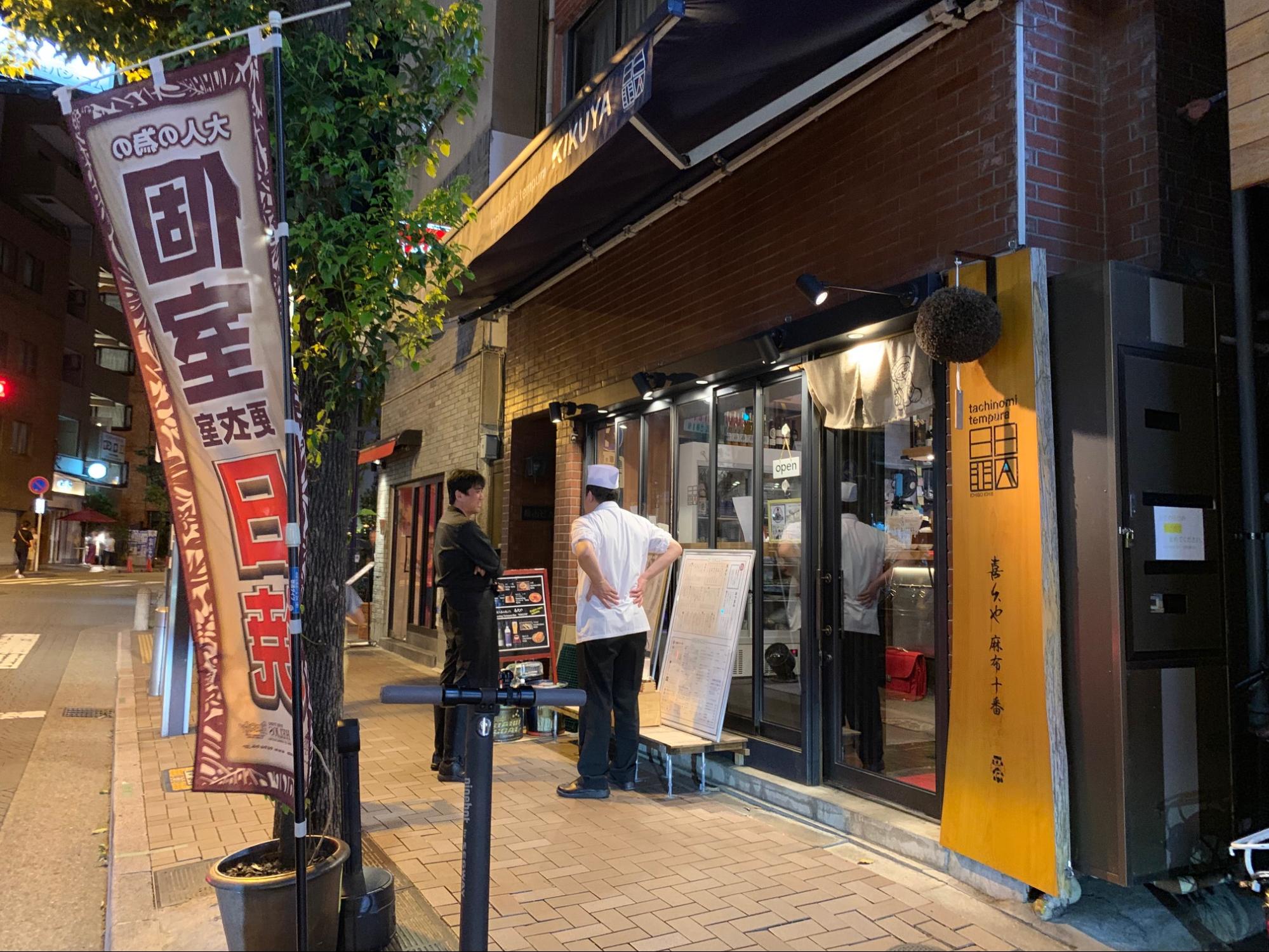
- For reasonably priced, traditional Japanese fair, comfort food (handmade soba noodles, sashimi, tempura, grilled chicken), strong nihonshu - Japanese rice wine - selection that is available to 4:00am most nights, we recommend Kawakami An Azabu. Great atmosphere, accessible English menu (Trip Advisor Review). The original restaurant, Kawakami An, is based in Karuizawa, Nagaon (Japanese Alps). We have also been to and like the Aoyama Branch. If you like tempura and a nice glass of wine or champagne, we recommend Tachinomi Tempura in Azabu-juban. It’s a stand-up tempura restaurant where you can choose from a selection of fresh tempura offerings, while sipping wine and watching folks walk by on the main street in Azabu-juban. It’s right across the street from Gelateria Marghera, a great place to grab Italian gelato ice cream after dinner. One block away from Tachinomi Tempura (headed back toward Roppongi Hills on the main street) is a great Thai Chinese restaurant called “I Am Dragon” - quiet, fresh reasonably priced Chinese cuisine that we also recommend if you have an itch for Chinese food. Another Chinese cuisine restaurant in the area we like is Dalian (great for Chinese dumplings). Hakata Hotaru is a great Fukuoka-style seafood izakaya in Azabu-juban that has private rooms and communal style tables. Very friendly, high touch service (they provided hand warmers to each of us as we left one cold January evening).
Kawakami An Soba & Tachinomi Tempura in Azabu-Juban - If you are looking for a good take-out bagel sandwich for breakfast or lunch in Azabu-Juban, try The New York Club. For brunch in the area we also like the originally from Los Angeles, Blu Jam Cafe, which has two locations in Tokyo, Azabujuban, and Daikanyama. In 2016 a Japanese-American family, seeking to bring healthier alternatives and some authentic American brunch to Japan, decided to license BLU JAM CAFE from the LA owners and open the cafes in Tokyo. They also offer craft beers, wines, and rotational cocktails with burgers, sandwiches and burritos for evening dining. Our friends in LA recommended we try BLU JAM CAFE and we are glad that we did. For a super fresh, stand-up, social (friendly vibe, meet other folks) Yakitoriya bistro experience in the middle of Azabu-juban try Bistro-Awa, next to Patio-Juban park and the landmark Statue of Kimi-chan (also starting place for Azabujuban’s annual Fall Harvest O-Mikoshi festival parade. Video: here).
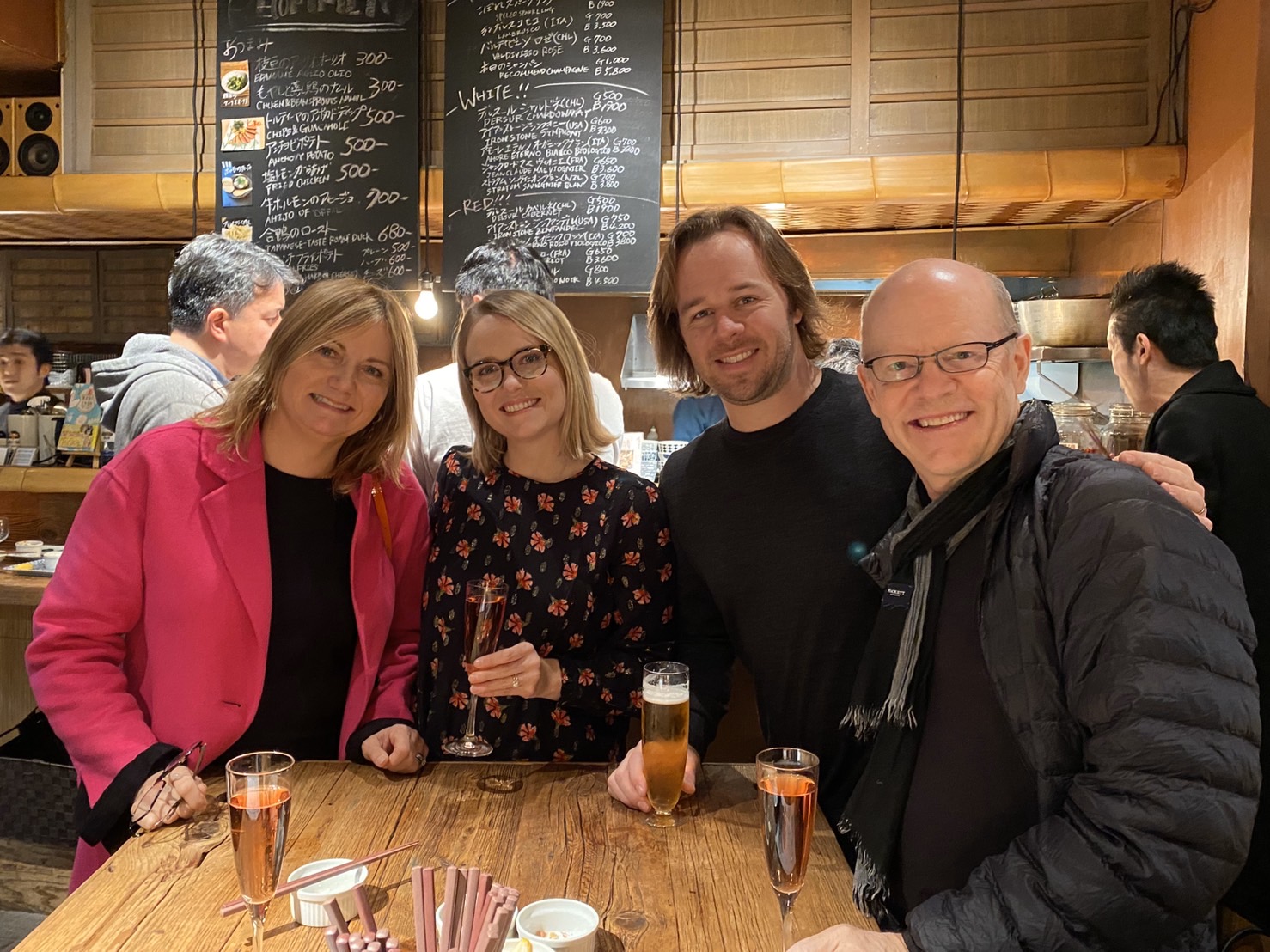
Bistro-Awa & Patio-Juban Festival Square  Video: Azabu-Juban Fall Harvest O-Mikoshi Festival Parade Open on YouTube ↗
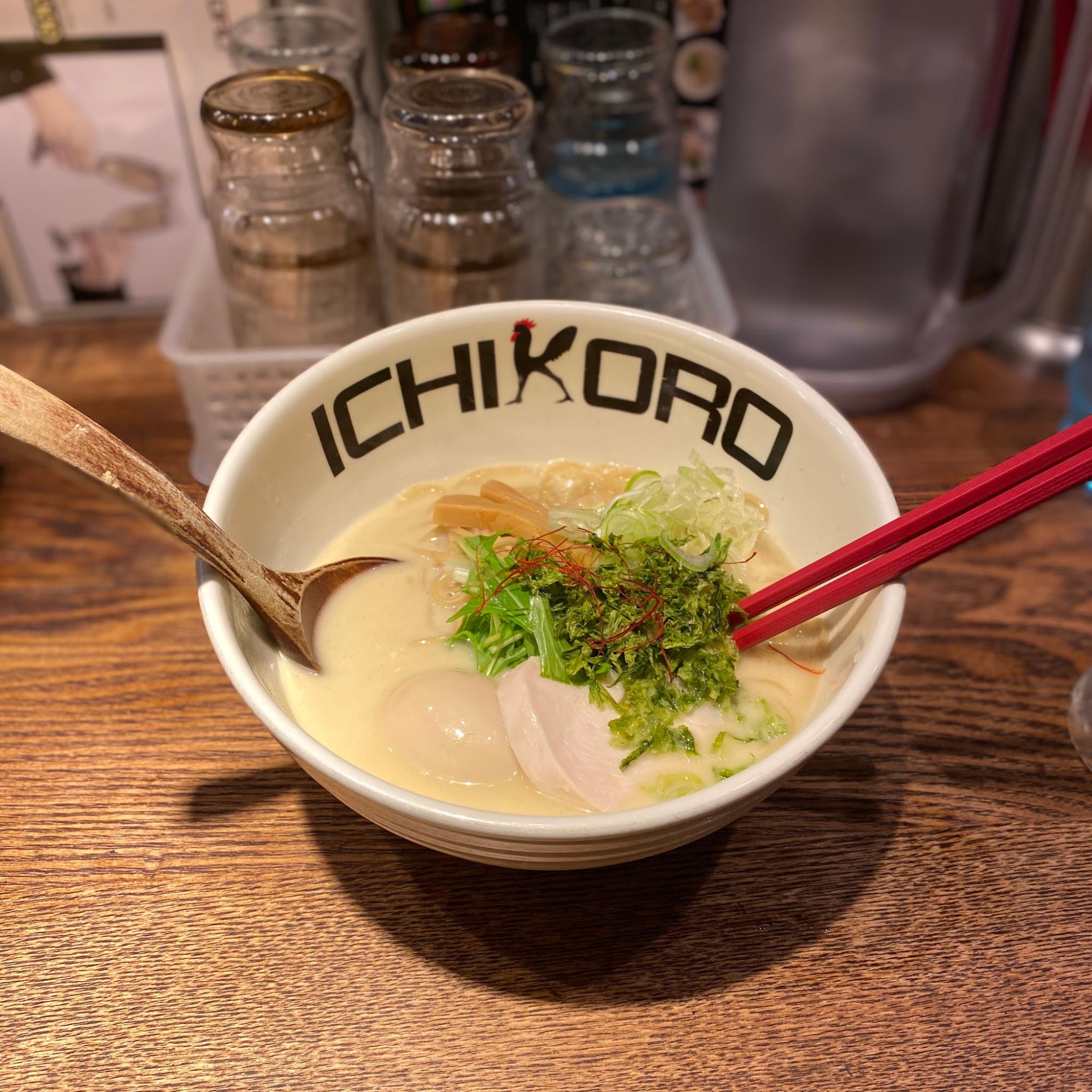
- Bistro-Awa is popular with foreigners, multiple TV screens play the latest sports events, very friendly, attentive staff. Table charge of Yen 300 per person, which includes a multiple choice appetizer that comes your way within a minute of coming into the restaurant. On the same street as Bistro-Awa on the corner of the main Azabujuban street above the Seijo Ishii supermarket is a wine bar we like called Le Bar a Vin 52. It’s a chain with other locations in Ebisu, Shibuya, Kamiyacho, and Yokohama. It has a very pleasant atmosphere with reasonable prices especially if you order by the bottle and not by the glass (happy hour on weekdays until 6:30 and weekends till 5pm). We recommend the selection of dry cured ham and cheese for wine platter, the power salad with kale, fruits and quinoa, and the Mussels à la Provence. A good reasonably priced Yakitori Izakaya in the area is Sata Juro, which has standard grilled chicken and hot pot selections, including access to English menus. Reservations usually required - we like sitting at the counter or in one of the 4 seats on the outside enclosed porch (heated in winter). For fresh vegetable shabu shabu, we recommend Yasaiya Mei, which specializes in vegetables grown in Japan. For those meat lovers, chicken, pork and beef shabu-shabu are also available. For “hawker-style Asian Canteen” Singapore cuisine and Hainanese Chicken Rice, our favorite spot is Hainan Jeefan Shokudo. In addition to Chicken Rice, they offer Laksa, Bak Kut Teh, Fried Hokkien Mee, and other dishes made from scratch sauces. Casual atmosphere with very attentive staff. For some reason a favorite spot with Sumo Wrestlers. Ramen pick in Azabu-juban: Ichikoro Ramen located near Azabu-juban station. Very strong reviews. Here is a nice breakdown of the menu in English. No-smoking, bright atmosphere (open to 4:00am) - we love the thicker chicken broth (aosasoba), gyoza and the very soft separate menu item chicken legs that have meat that falls off the bones...they must cook it for hours in the ramen broth.
- Just around the corner from Ichikoro Ramen is a quiet, small wine + small plates bistro (counter and tables for 2 only so never noisy with large groups) called Vineira Sacra Laundry. Great spot for dinner and a quiet conservation. We love the “salted chicken” - you can get a whole, ½ or ¼ chicken - the ½ is perfect for two people. The french fries were delicious as was the watercress salad. Wine is affordable with generous pours.
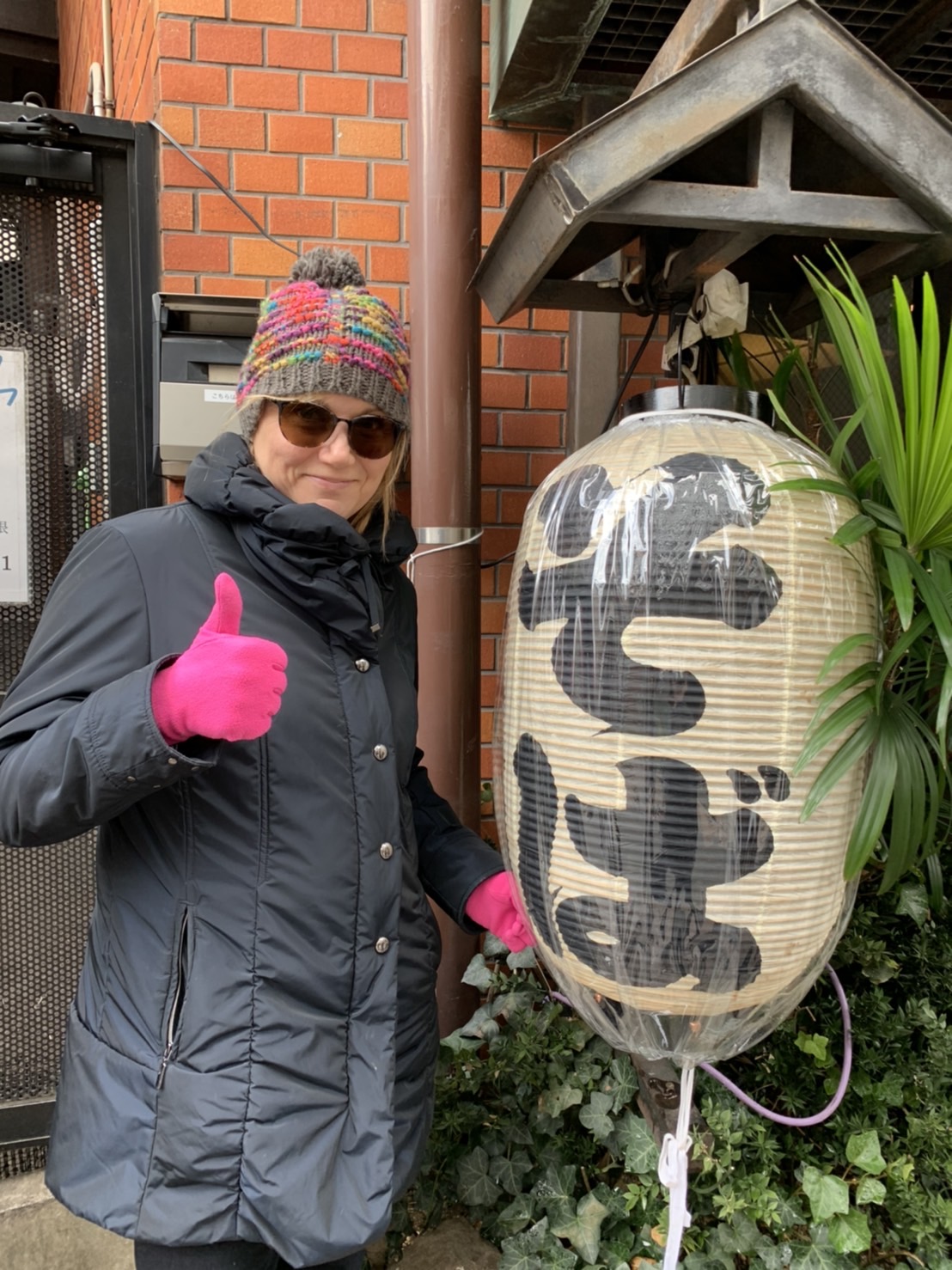
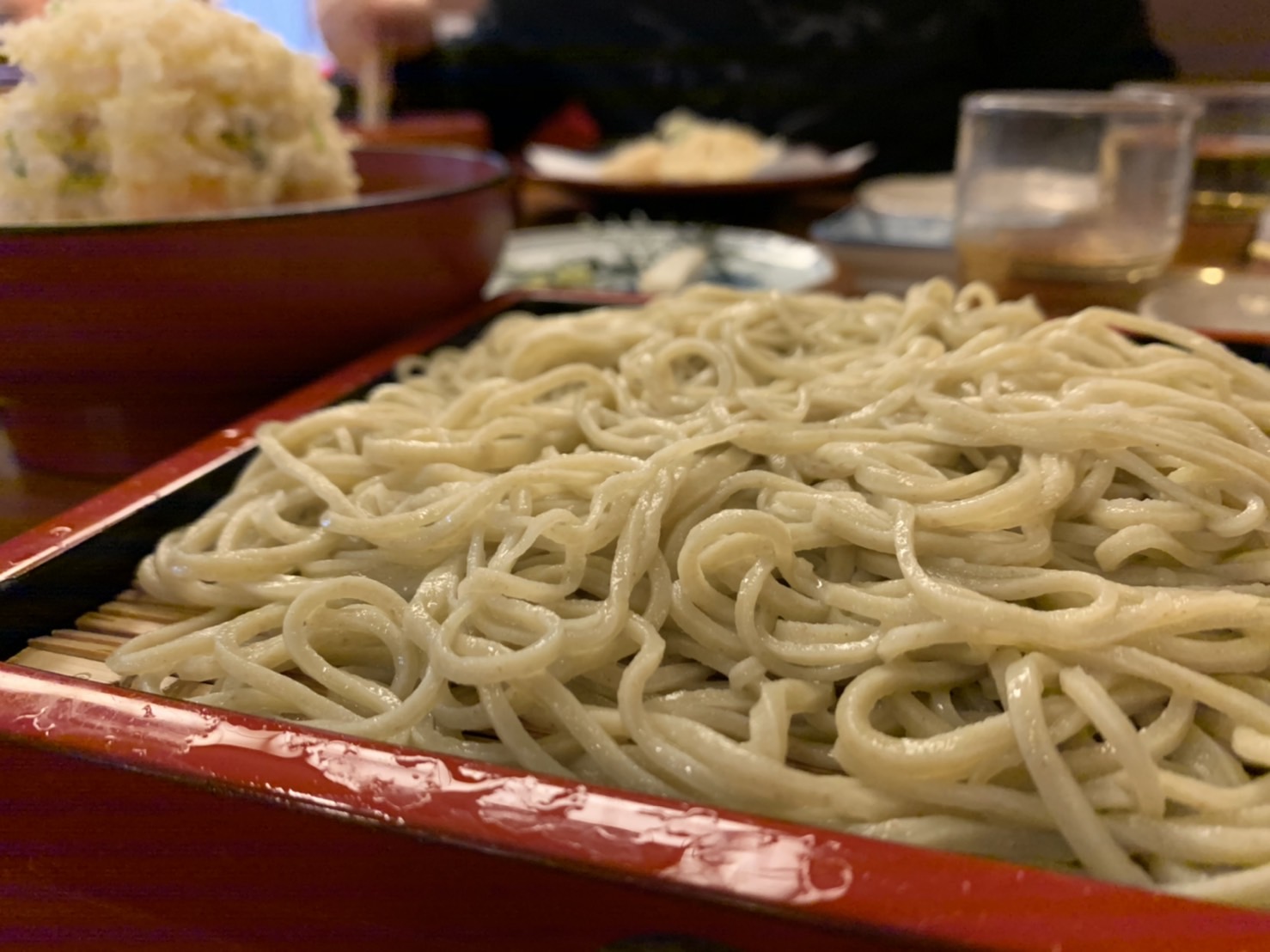
Vineira Sacra Laundry Wine & Small Plates Bistro - Perhaps the most famous restaurant in Azabu-juban is a 230 year-old noodle restaurant called Sarashina Horii. The lines to get in can be quite long, especially during the New Year holiday period but they do take reservations. The restaurant got a boost with foreign guests after a visit by Anthony Bourdain that is captured in this YouTube video clip here. You can choose western style or floor seating. Keep in mind the 6 steps of eating soba that are outlined in a brochure provided to foreign guests: Step 1: Eat soba with chopsticks. Don’t eat by hand, Step 2: Pour soba broth into a cup. Don’t pour directly into soba, Step 3: Dip ⅓ of soba into the atsuya (soba broth that is matured for 2 years using dried tuna flakes (bonito)). Not all! Step 4: Put Yakumi (condiments) little by little into broth. Step 5: Slurp soba. Don’t be polite in chewing. Slurping allows you to enjoy the aroma spreading throughout the mouth to the nose. Step 6: Drink Sobayu (a hot broth poured into the soba broth cup at the end of the meal that you can drink to capture the last flavors of the soba broth).
Sarashina Horii 230-Year-Old Soba Restaurant  Video: Sarashina Horii (230-Year-Old Soba Shop) — Anthony Bourdain Visit Open on YouTube ↗
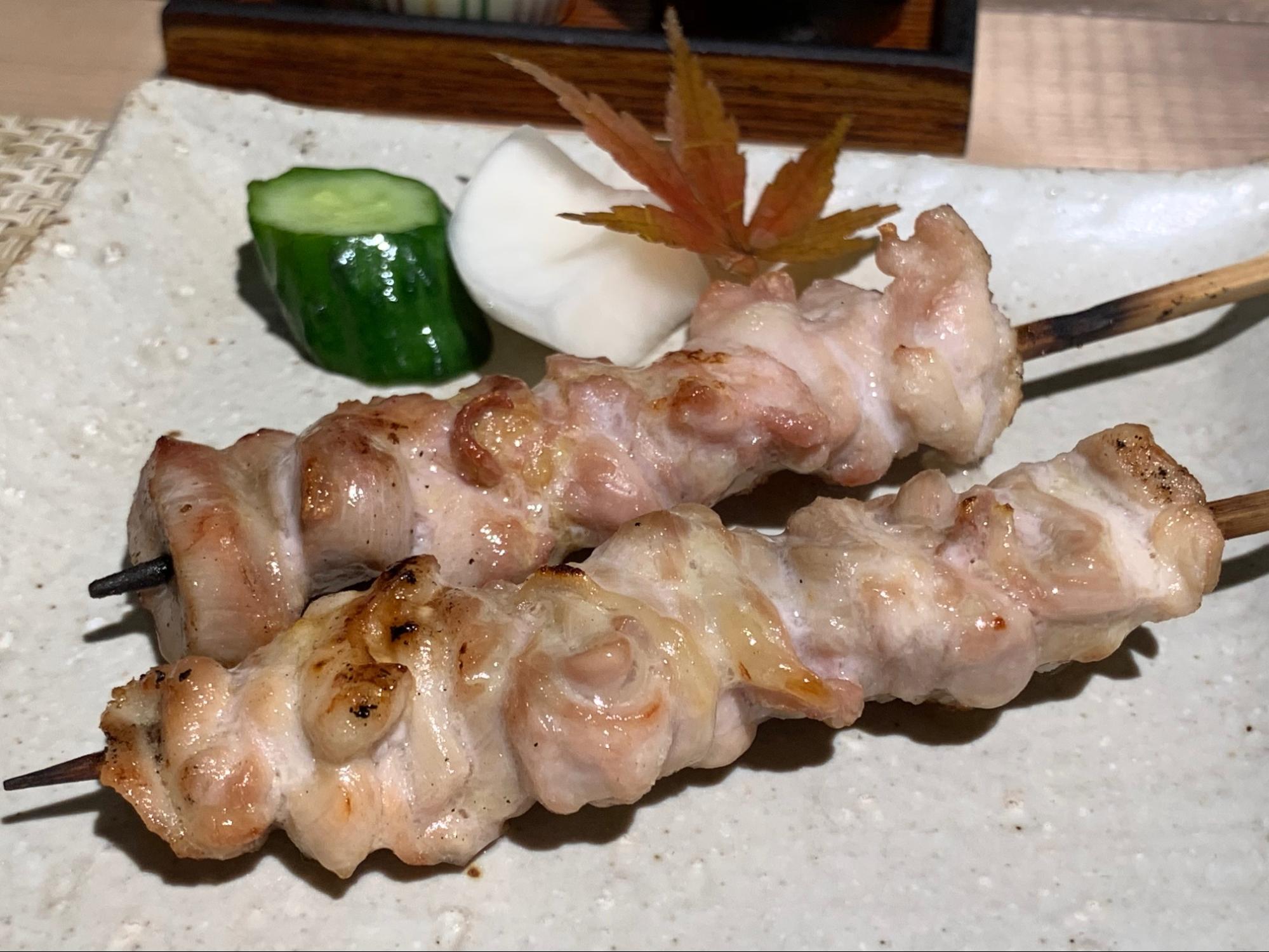
- We recently discovered a new Yakitori restaurant in Azabu Juban that we liked called Torihan. The small, pleasant atmosphere restaurant is run by a husband and wife team, and only has approximately 5 tables that can hold up to 5 people each. Making a reservation is recommended. They offer a standard course (Yen, 4,300) that we like which includes 2 appetizer dishes, a salad, 7 chicken sticks, 2 fried vegetable dishes and soup. You can also order premium (Yen 5,300) and platina (Yen 6,300) courses that include more dishes and chicken. A la carte dining is available only after 9:00pm. When you order, it’s ok to ask for regular chicken meat (“futsuu touri”) that doesn’t include organs (“naizou”). Torihan also has a wonderful selection of sake.
Torihan Yakitori in Azabu-Juban
Shinjuku
- Park Hyatt Shinjuku - Lost in Translation was filmed here. You will recognize the New York Bar in scenes from the movie. Fun place for a drink but pricey and it gets smokey. For a less expensive alternative, make a reservation for the “Peak of Joy” at the Peak Bar on the lobby level of the hotel (on the 41st floor). For about 5,500 yen per person at the Peak of Joy, you get unlimited drinks (including all of the nicest cocktails and wines) and a pretty good selection of appetizers (but not all you can eat) for a two-hour window. It is a fun way to see the great view from the 41st floor of the Park Hyatt and drink some interesting cocktails for not a lot of money. Important note: The Park Hyatt is a lovely, albeit very expensive, hotel, but it is not well-located for sightseeing, as it is about a 20 minute walk from Shinjuku Station and near no major sights, so we do not recommend staying here.)
Park Hyatt Tokyo & New York Bar in Shinjuku 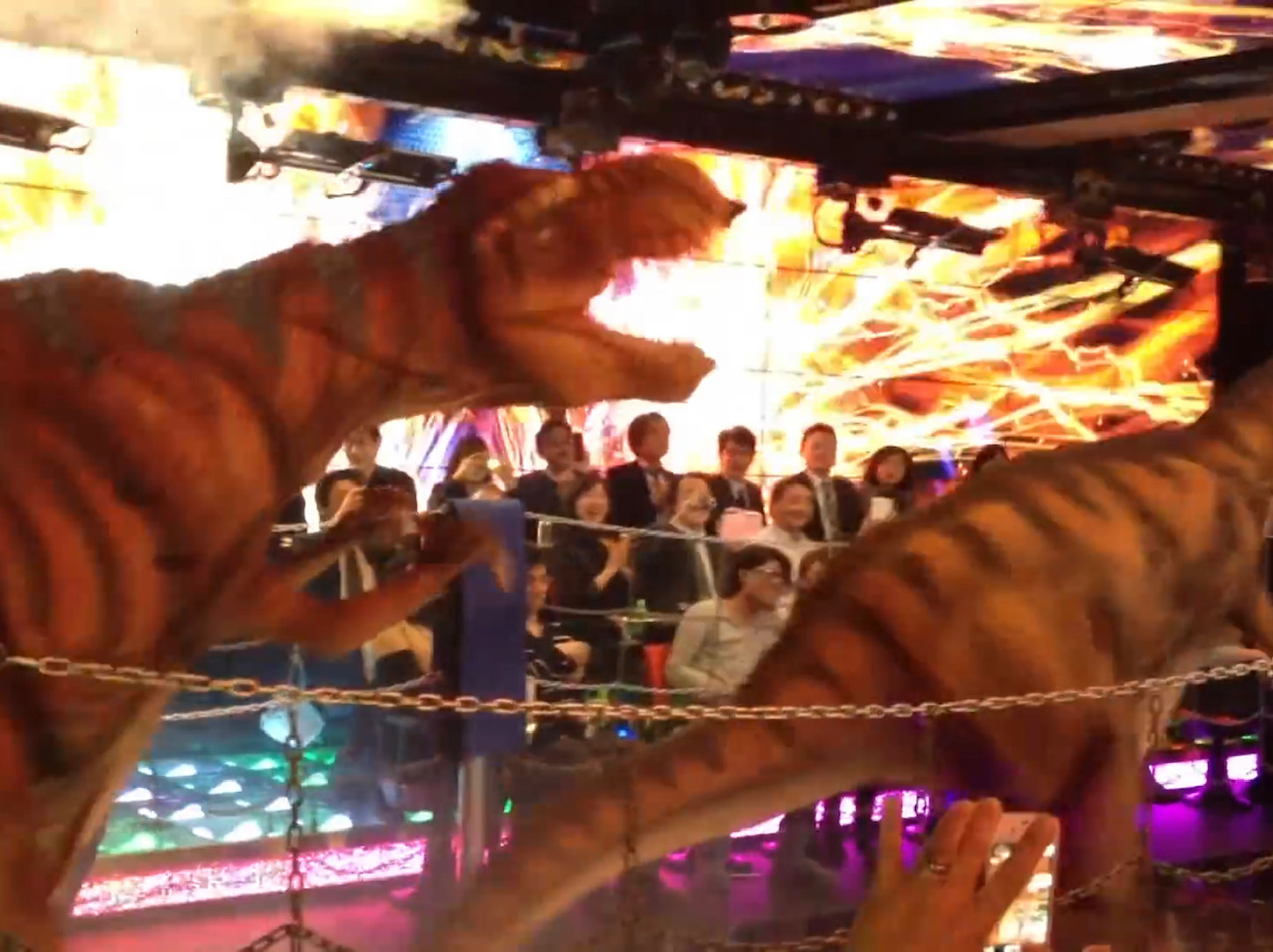
Shinjuku Skyline View from Park Hyatt  Video: scenes Open on YouTube ↗
- The Robot Restaurant - A weird show which includes a small “dinner” is a thing to see (once!). Here is a video of what to expect. (If you decide to do this, get there at least 30 minutes early … the first people in line will be escorted to a funky mirrored “robot bar” with wacky seating, robots on your table, and good photo ops … the earlier you get there the nicer the seating you will get in this funny bar and it is worth it. (Note to reader: this venue may have closed in the fall of 2023)
 Video: Shinjuku Robot Restaurant Show Experience Open on YouTube ↗
- Golden Gai - Recommend wandering around this unique bar district. This is how Tokyo looked before WWII - very narrow lanes with tiny storefronts that only fit a handful of people. Best to go with someone who speaks Japanese. Here is a link to a great tour of Golden Gai created by Google Arts & Culture Institute.
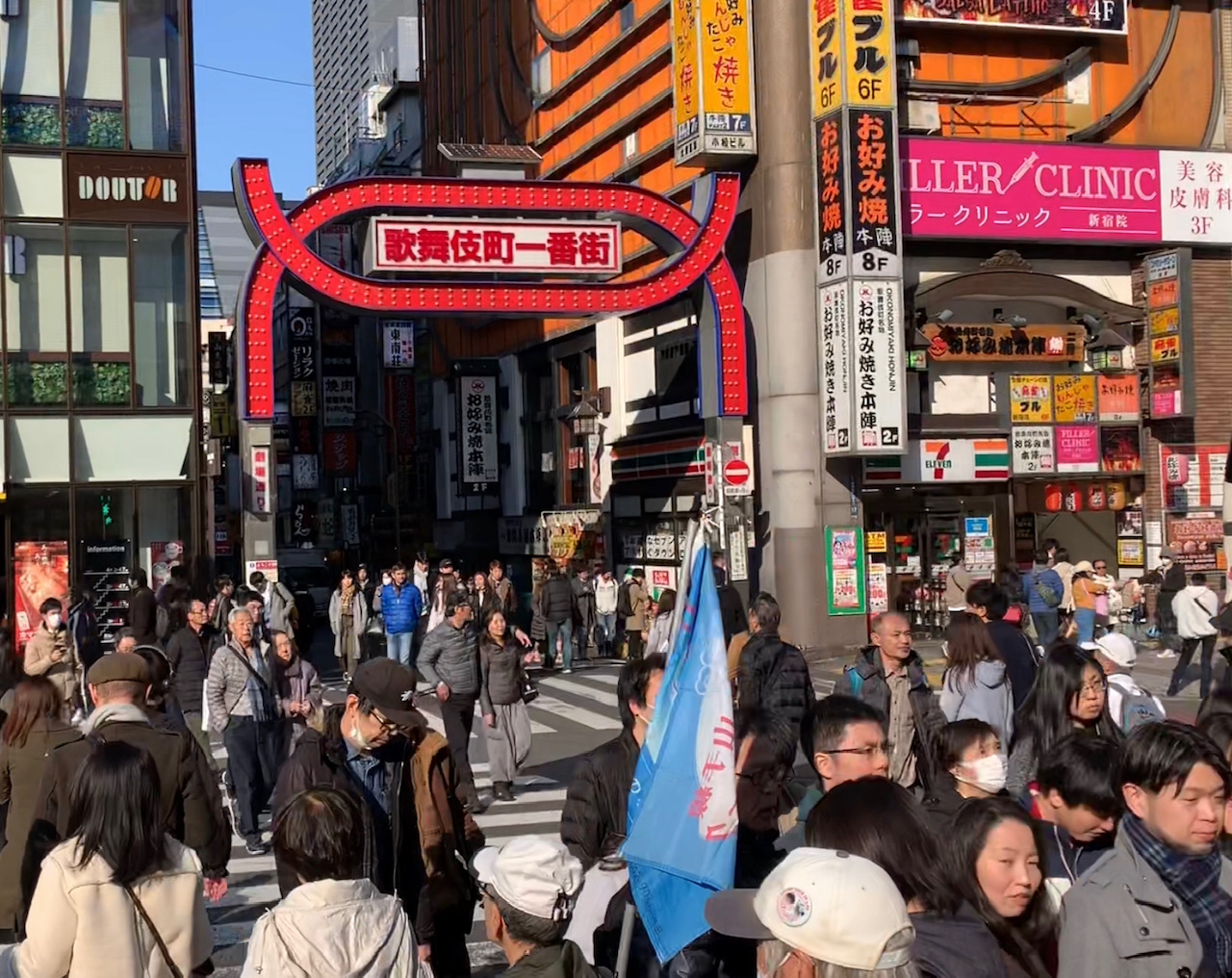
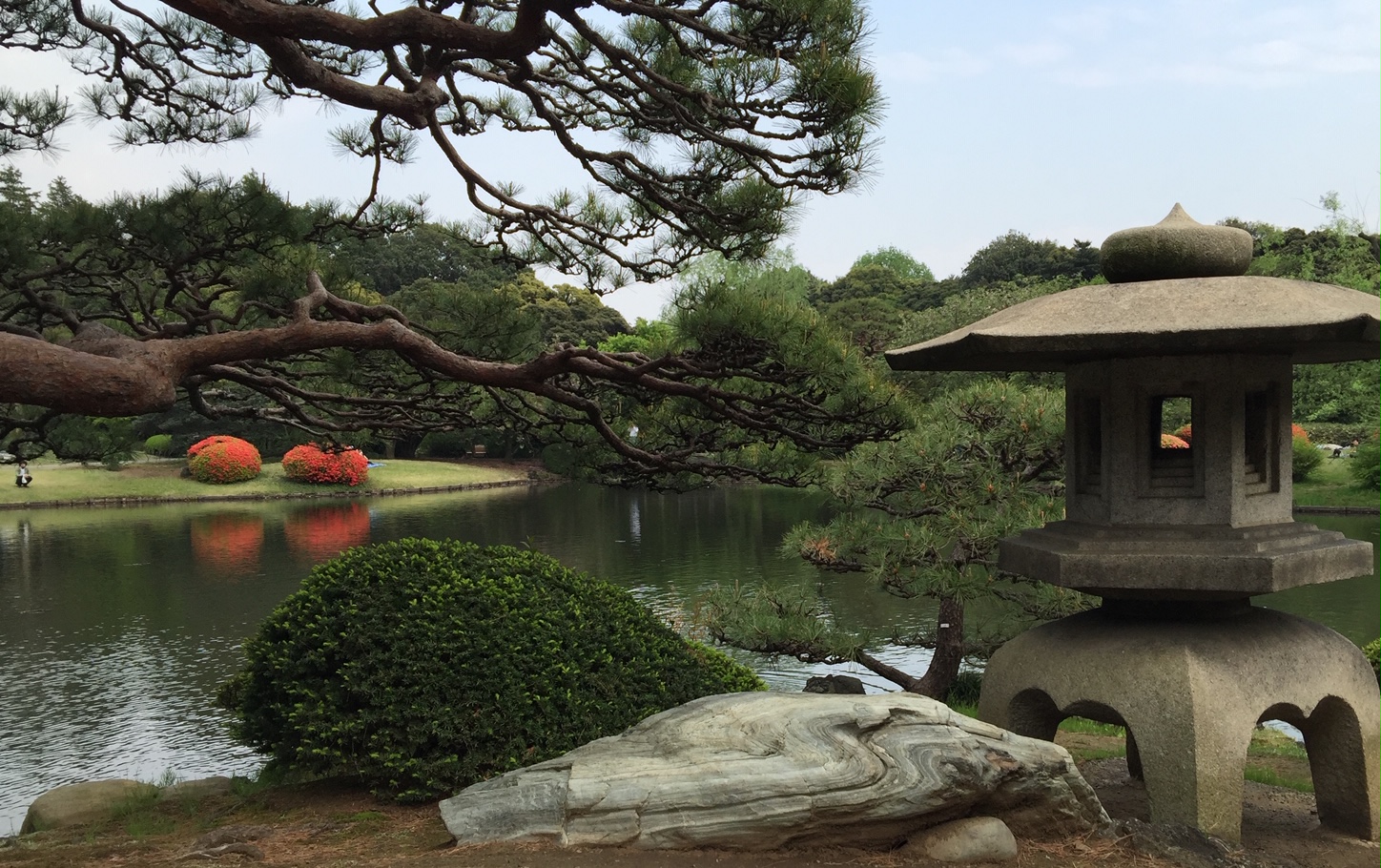
Golden Gai Pre-WWII Alleyway Bars in Shinjuku - Shinjuku Gyoen Park is one of the nicest parks in Tokyo. Huge beautiful landscape gardens with ponds, trees and fields where you can sit in the grass and enjoy a picnic lunch purchased from the nearby Shinjuku center. One of the best places to see cherry or plum tree blossoms. Link to video of Shinjuku Gyoen Park experience here.
 Video: Shinjuku Gyoen National Garden Walk Open on YouTube ↗
- Restaurant recommendations in the Shinjuku area: Uoshin (great but affordable fish restaurant). Ushinoyotare (A very cozy restaurant near Shinjuku in a not so nice neighborhood but inside is nice. Best seats are at the counter that surrounds the Irori pit). Torishige (great grilled pork restaurant; only takes cash).
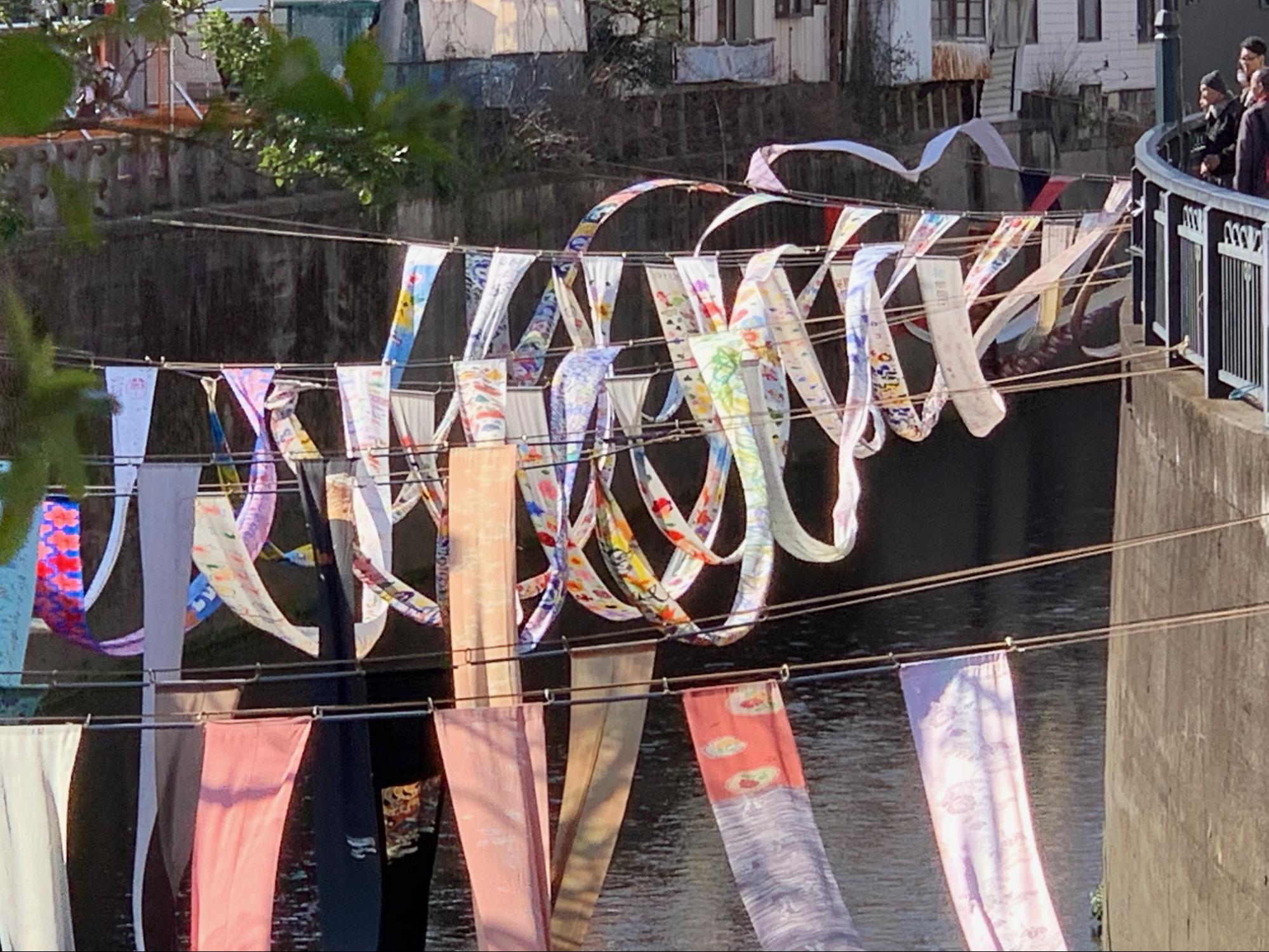
Shinjuku Dining — Uoshin & Torishige - If you happen to be in Tokyo in mid-February, check out the annual "Some no Komichi" festival over in the Nakai area of Shinjuku. The 3 day festival celebrates the art of dyeing and screen printing. Japanese dye producers have been located in this area for a long time going back to the Edo period. During the festival, colorful dyed fabrics are hung along the banks of the Myoshoji River. It’s a very colorful event with plenty of places to stop for lunch and/or a drink. Here is a link to a video of what to expect.
 Video: Some no Komichi — Annual River Dyeing Festival in Shinjuku Open on YouTube ↗
Akihabara, Senso-ji, Nihonbashi & Odaiba
Akihabara
- A few minutes by train from Tokyo Station. Those who are interested in comics, maid cafés (cosplay), J-pop (akb48) and electronic devices should visit Akihabara.
Senso-ji (Asakusa)
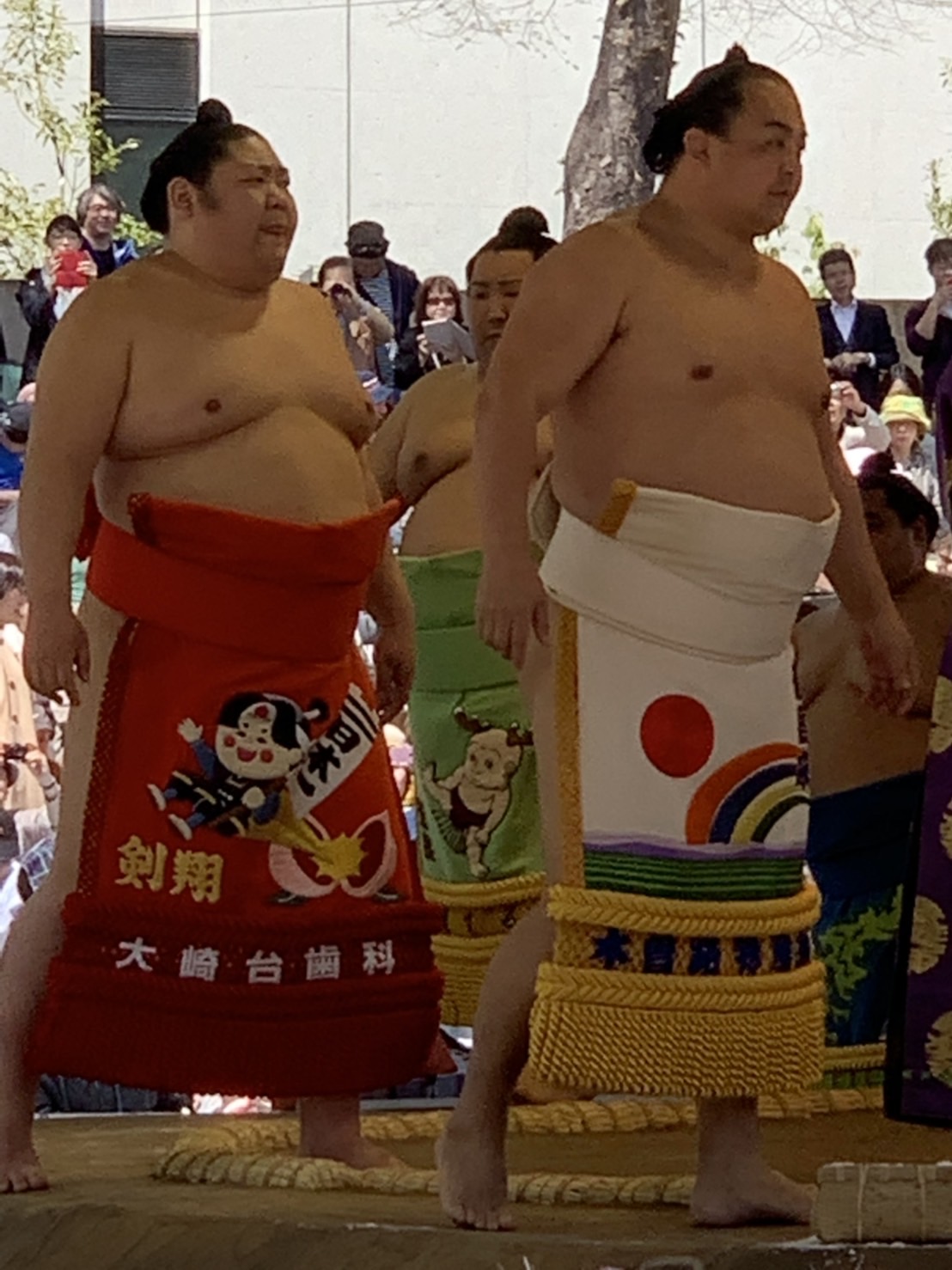
- Great traditional temple near Asakusa (Senso-ji). This is also close to area where you can watch Sumo Wrestling at Kokugikan Sumo Hall. Or you can visit a sumo stable in the area and watch the morning training session, known as asageiko.
Nihonbashi
- Nihombashi is home to the main branches of Mitsukoshi and Takashimaya department stores. These (and other) department stores have special events happening periodically, from regional food festivals (like France Week, which features pop-up versions of some of Tokyo’s top French restaurants and special foods and other merchandise from France) to special exhibitions by regional craftspeople to fashion shows by top designers. While there are other branches of these stores around the city, these main branches tend to be the showplaces of the brands, so check their websites regularly to see if they are planning any special events that may be of interest to you. By coincidence, we happened upon a Junko Koshino fashion show at this Mitsukoshi which we were very glad we got to see.
Nihonbashi Mitsukoshi & Takashimaya Flagships 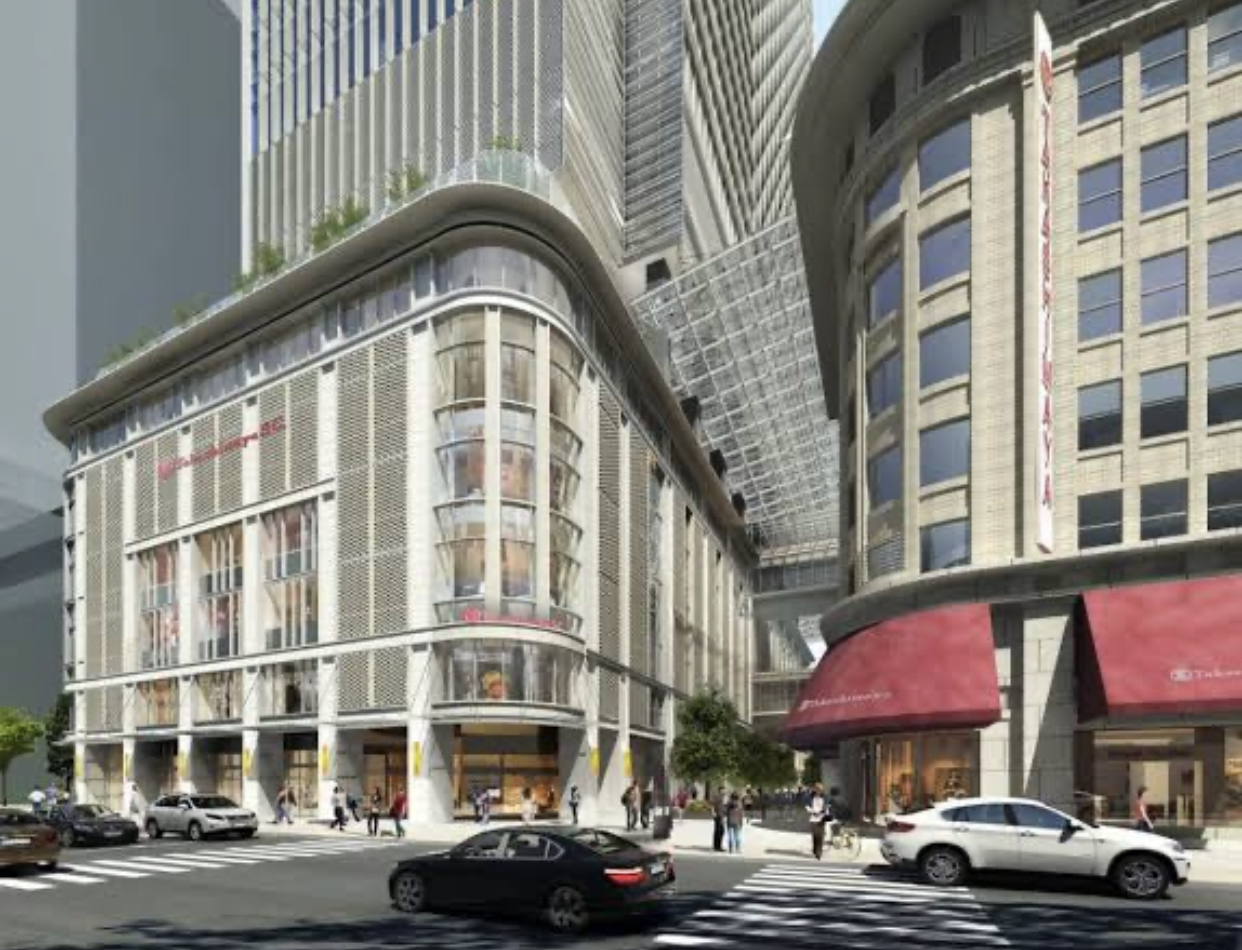
Junko Koshino Fashion Event at Nihonbashi Mitsukoshi 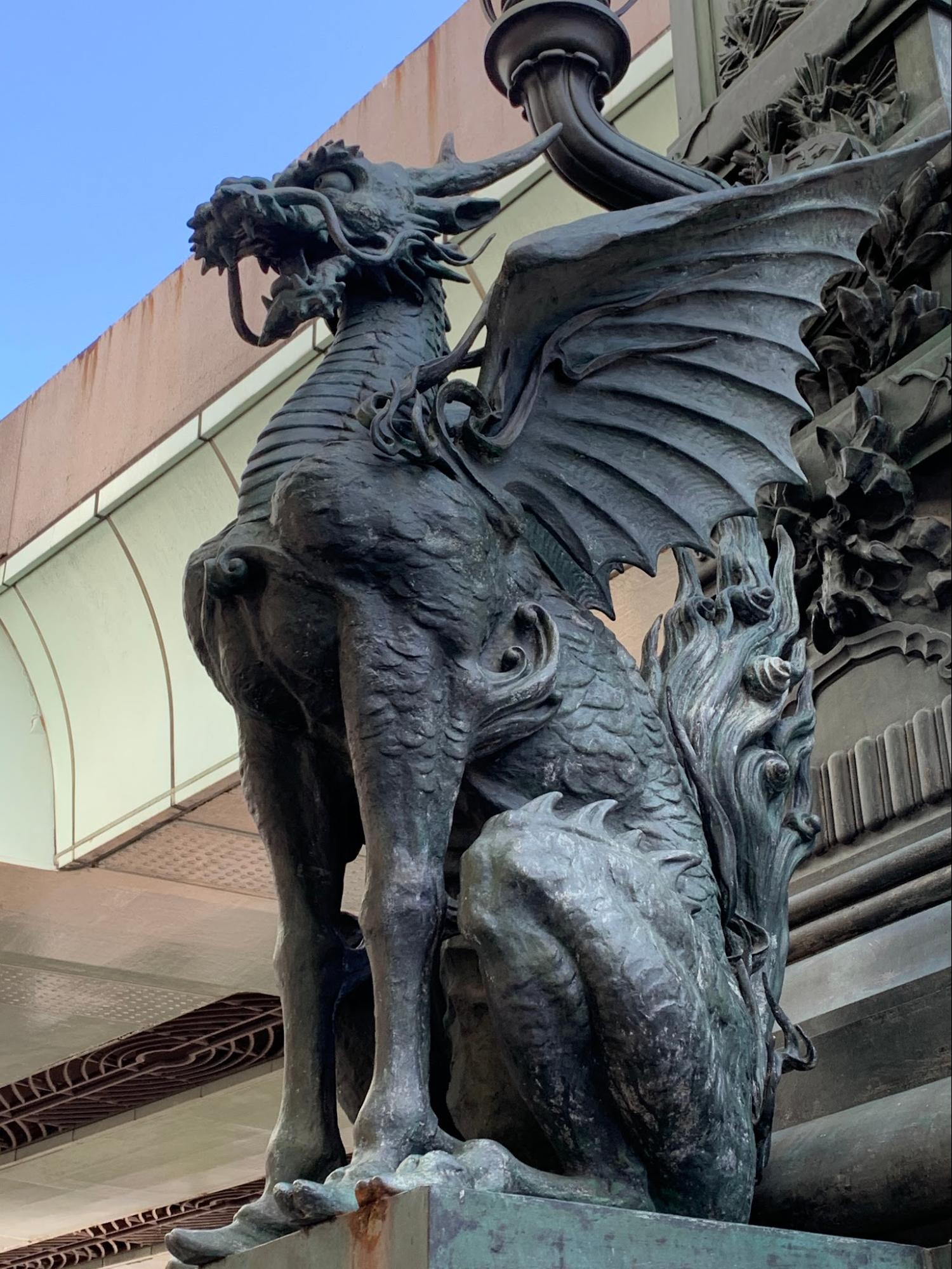
Special Exhibition at Nihonbashi Department Store - Nihonbashi Artizon Museum: The Bridgestone Museum, which contained the exceptional Western art collection of the founder of Bridgestone Tires, closed in 2005. It reopened in January 2020 in a new building and with a new name. The new name, “Artizon” is a combination of “art” and “horizon,” and the new facility, which occupies the first six floors of the new Bridgestone headquarters in Nihonbashi, is a cutting edge exhibition space. The materials used in the spaces were carefully planned, and each floor has a different layout theme, allowing the visitor to experience different ways of connecting with the art. The collection contains pieces of many of the masters of Western art.
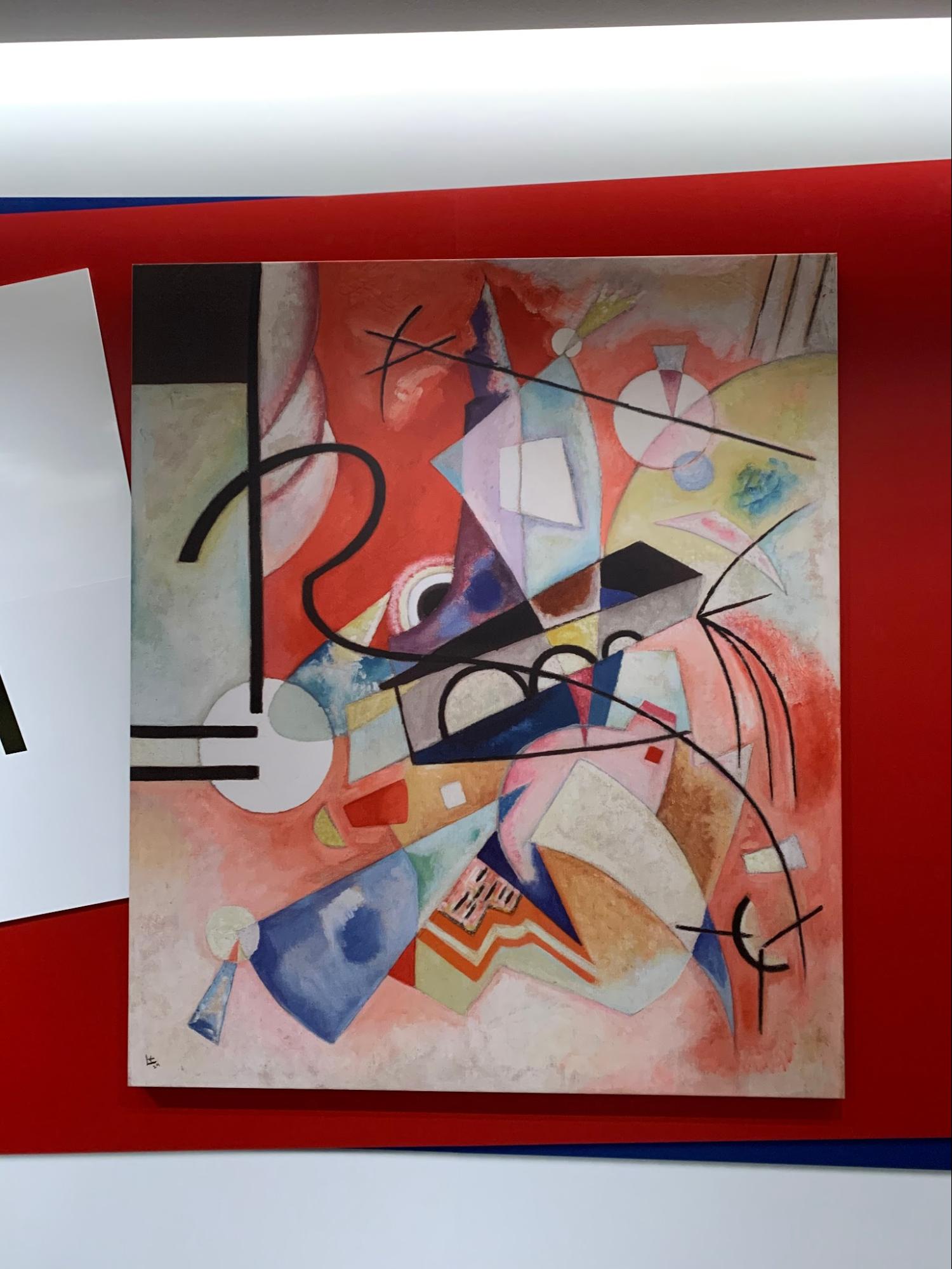
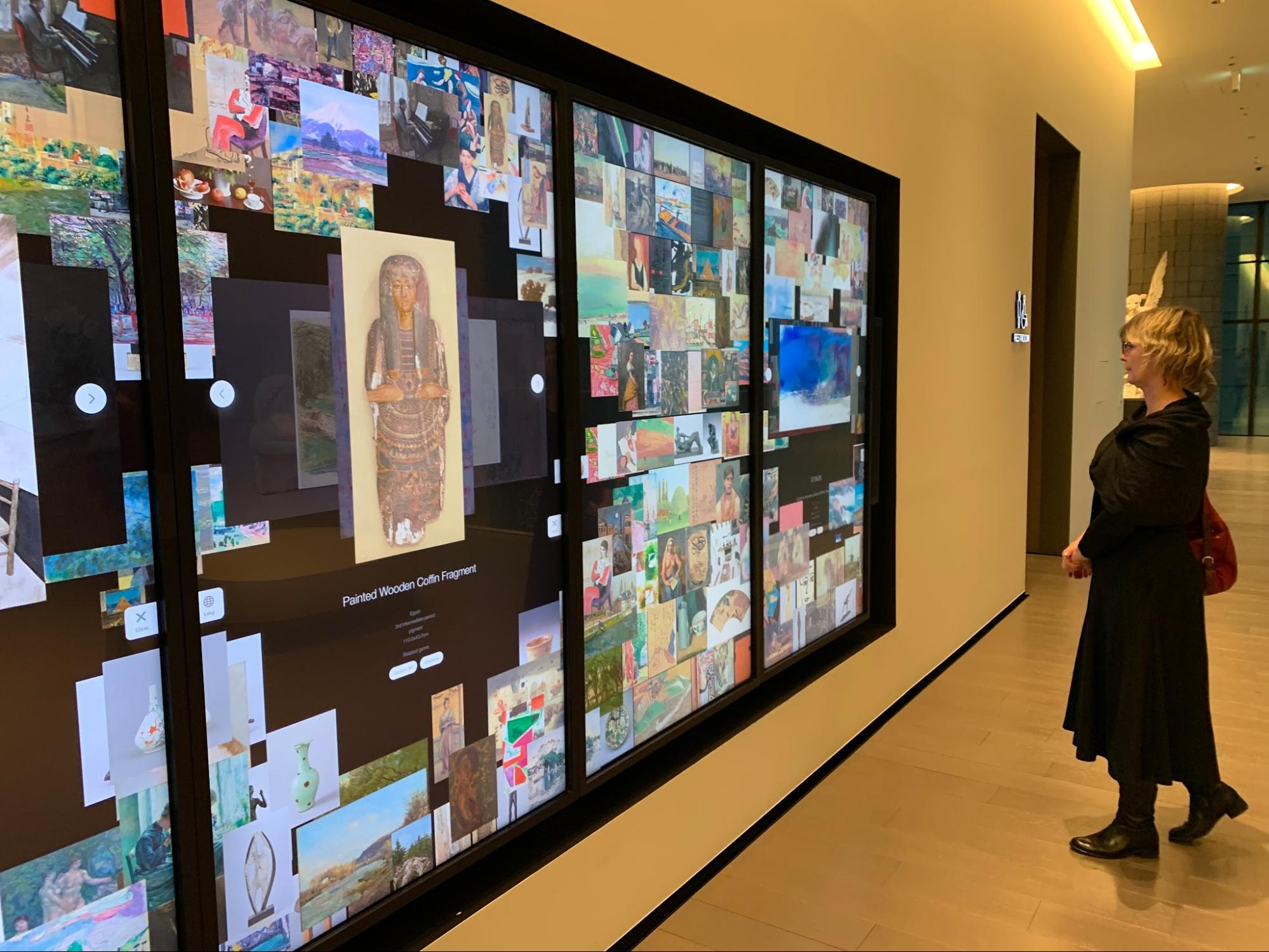
Nihonbashi Artizon Museum - The museum also has an interactive digital “art wall” (created in collaboration with the Mori Borderless Digital Art Museum) which showcases all of the art in the museum with short explanations. This is a very cool feature, which we spent about 15 minutes checking out at the end of our visit. Art buffs will want to add this museum to their Nihombashi itinerary or even make a special trip there just to go to it.
Odaiba
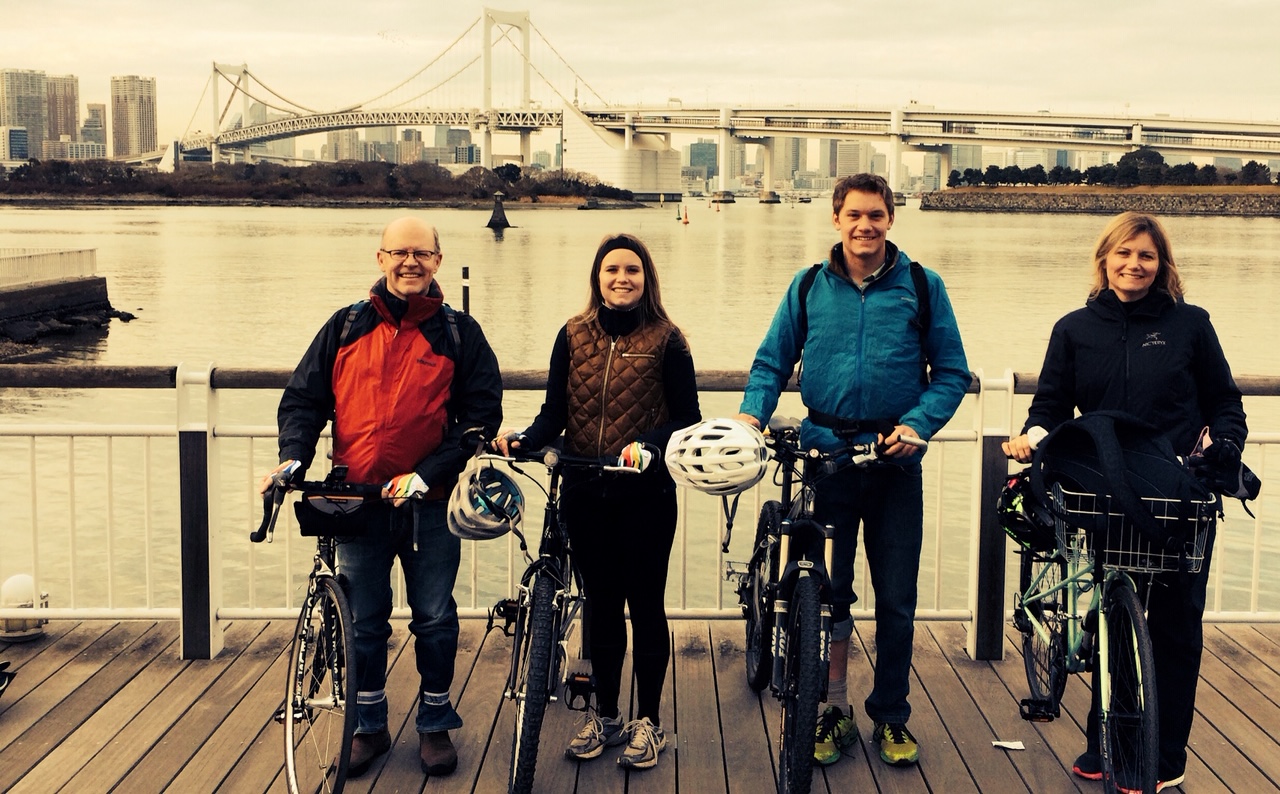
- If you are looking for an opportunity to go on a bike ride in Tokyo, we highly recommend renting a bike (or using the bikes that many hotels provide to guests) and biking over to Odaiba, which is right across the Rainbow Bridge on the Minato-ku waterfront. The route from Roppongi takes about 1 ½ hours on bike (including the required “ bike walk” across the Rainbow Bridge). Once you are in Odaiba, we highly recommend brunch/lunch at Bills, and if you’re with children (or are young at heart), the Trick Art Museum is a lot of fun. When you are ready to return, you can bike back over the Rainbow Bridge or catch a ferry back over to the Tokyo side of the bay (recommended and you can bring your bike onto the ferry for a small upcharge). Here is a link to a video to give you a sense of the Odaiba bike experience.
Biking Across Rainbow Bridge to Odaiba  Video: Biking Across Rainbow Bridge to Odaiba & Ferry Return Open on YouTube ↗
Places to Stay & Ways to Get an Overview of Tokyo
Places to Stay in Tokyo
- There are lots of options, and it depends on your budget. Here is a list of full service hotel options in central Tokyo. Our family has stayed at the Grand Hyatt and ANA Intercontinental both near Roppongi. The Grand Hyatt is very nice, relatively new and located in the posh shopping/dining/office complex of Roppongi Hills. It is easily accessible to Roppongi Station and a short cab ride from many sights. If it is within your budget, this would probably be our top pick.
Grand Hyatt Tokyo in Roppongi Hills - In the budget category, the K's House chain gets great reviews. We stayed in a private room at the one in the Izu Peninsula (K's House in Ito Onsen) and loved it. Great value. They are in Kyoto and Tokyo and a few other places. Very popular, but you usually need to book in advance if you are interested. Check out the website at https://kshouse.jp/.
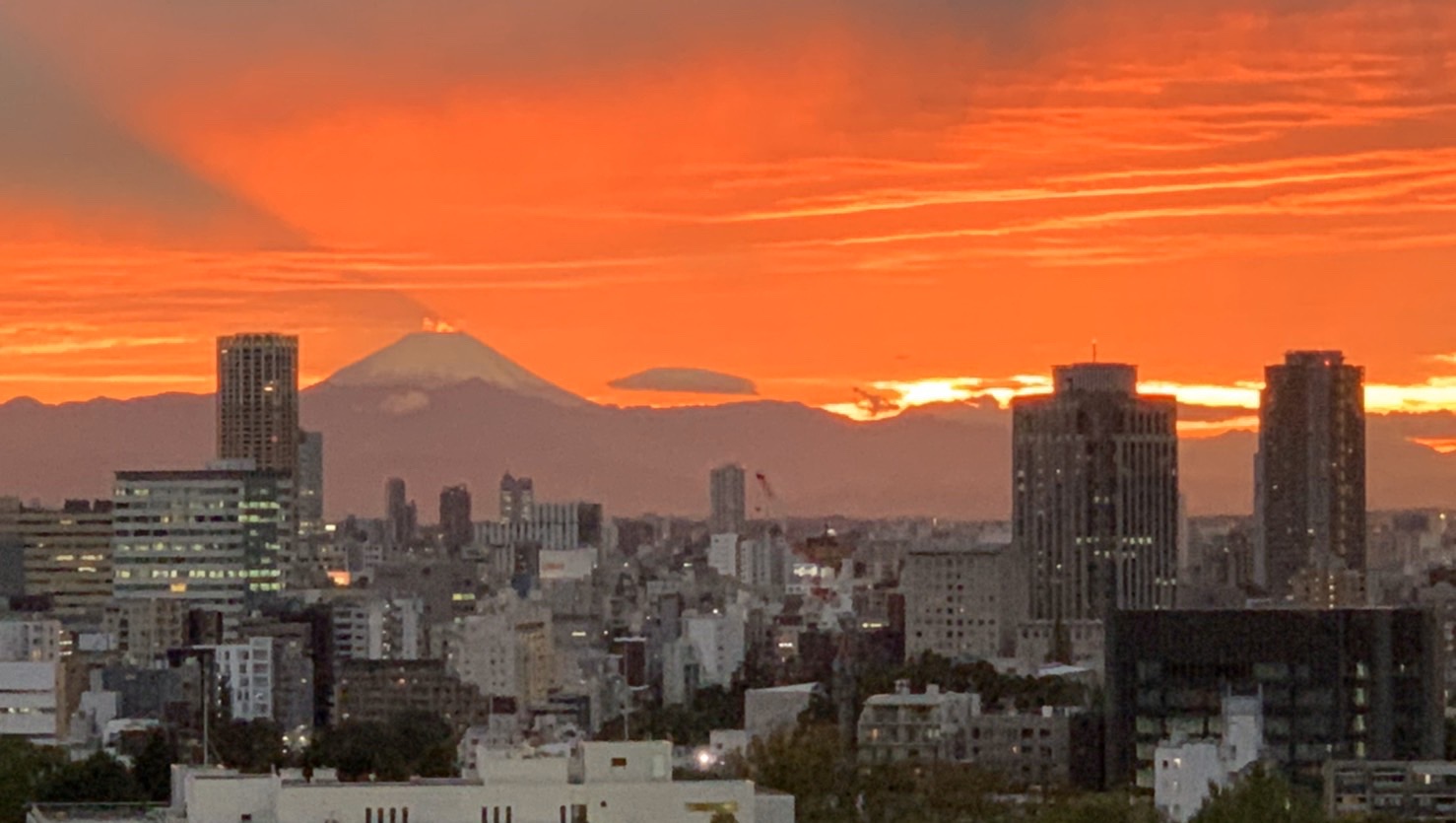
- If your budget is a little higher but you are still looking for value, there are two hotel chains that we can recommend. One is Dormy Inn. These are very clean and cute and they almost always have a nice onsen on the roof, including breakfast and late night noodles. The other is APA Hotel. These are a little more expensive, but they are plentiful all around Japan.
Dormy Inn & Japanese Business Hotel Value Picks - For other affordable options, lots of visitors to Tokyo have found great locations and deals through Tokyo Airbnb. Also, Here is a fairly current list of budget hotels and hostels in Tokyo.
Great Ways to Get an Overview of Tokyo
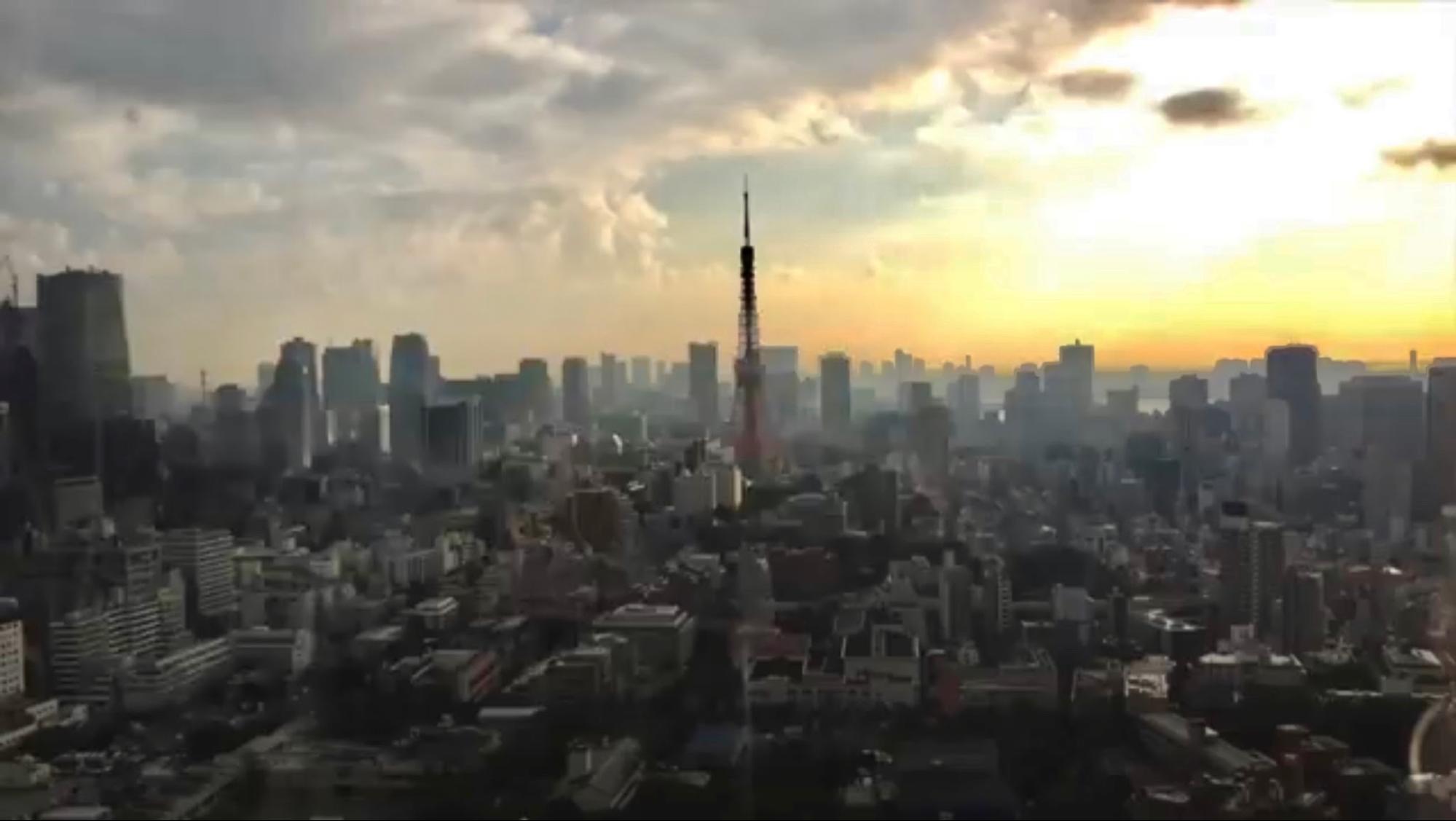
- A great way to get your bearings in Tokyo is to do a bike tour with Tokyo Great Cycling Tour. They run a few different routes with experienced guides, each about 6 hours (~25 kilometers) including stops for lunch and tours of local attractions. Check out a video of the bike tour here.
 Video: Tokyo Great Cycling Tour — 25km Guided City Bike Ride Open on YouTube ↗
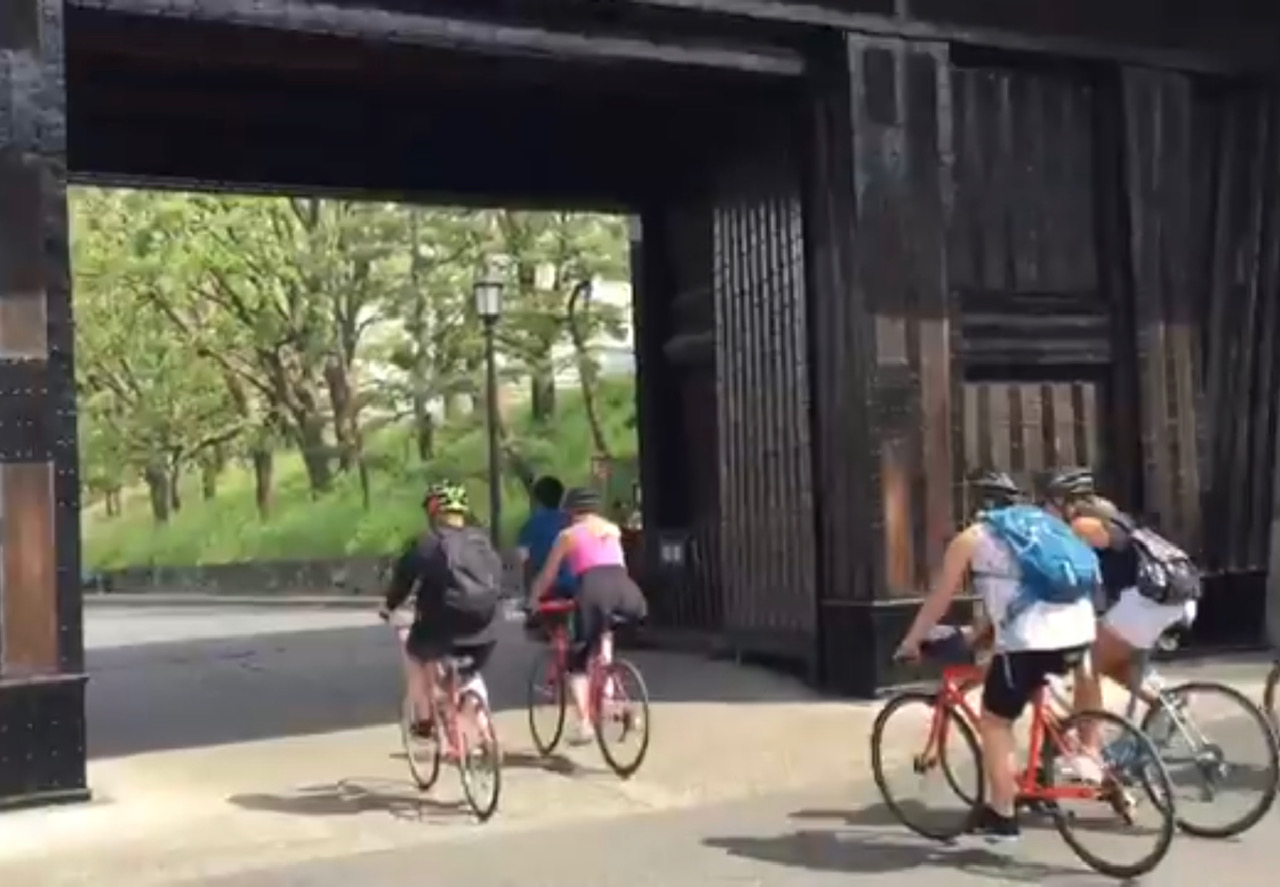
- Another fun way to see the Tokyo area in a 2 or 3 hour window is to put on a funny character costume and ride around the city in go-karts with MariCar. A video of what the MariCar experience is like here.
MariCar Go-Kart Street Tour in Tokyo  Video: MariCar Go-Kart Tour Around Central Tokyo Open on YouTube ↗
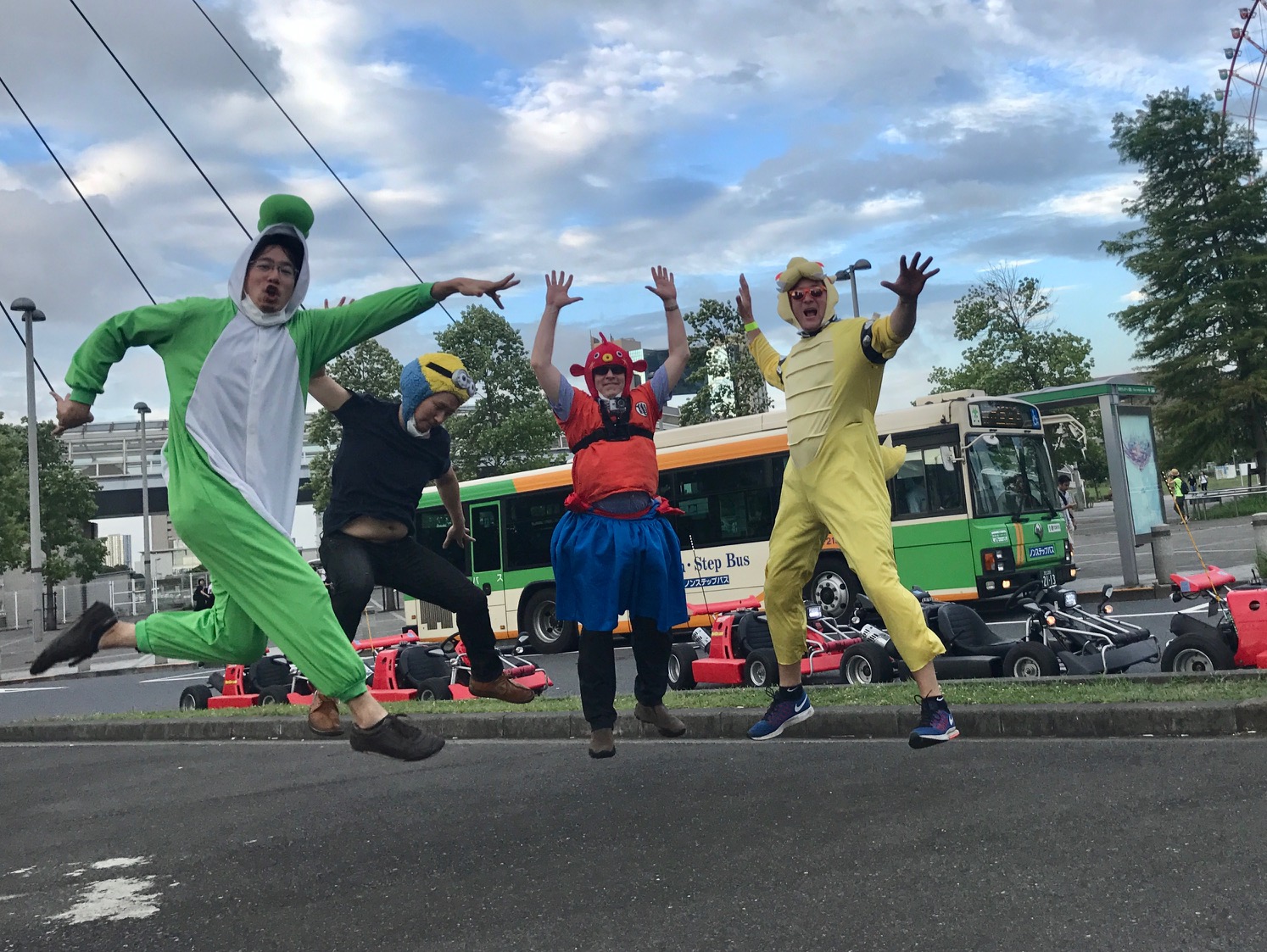
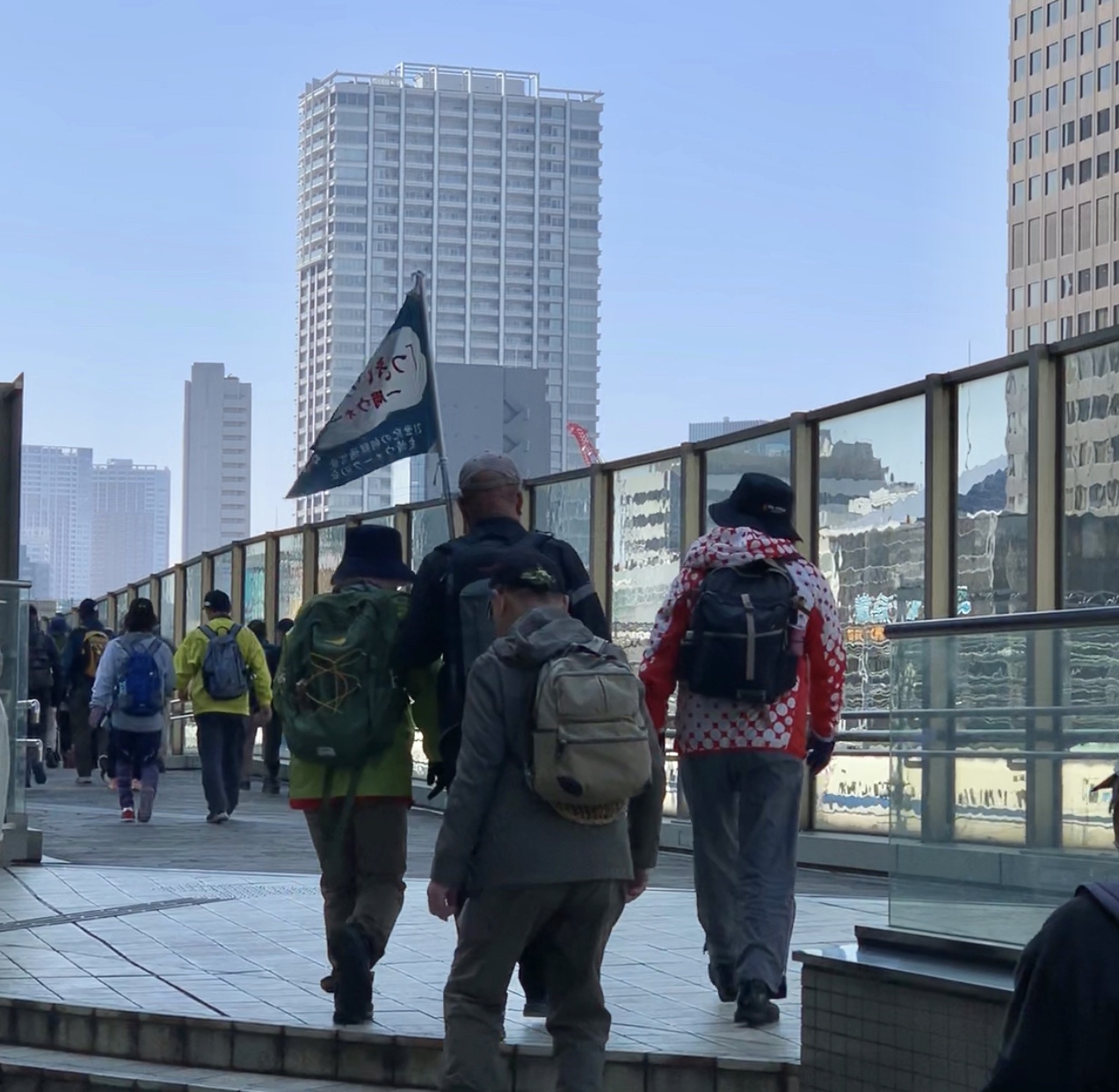
- If you think you can walk 42km (26 miles) in one day consider joining a group of walkers who circumnavigate the central Yamanote train line on the first Saturday of each month starting from Ueno Station and ending there about 10-11 hours later. The group, as a general rule, meets at 7:45am in front of the Tokyo Cultural Institute (Tokyo Bunka Kaikan) at the west exit of Ueno Station, and walk clockwise and counterclockwise around the Yamanote Line on alternate months. It costs Yen 100 to register, and expect to make a brief introduction to the group as a newcomer. After a short warm up, the group leaves around 8:00 and usually gets back to Ueno around 6:00pm. The folks leading the route know the way to go so all you have to do is follow. It’s a great way to take the measure of Tokyo, and experience the different urban centers that surround Tokyo’s central core. Here is a video of what to expect.
42km Yamanote Line Circumnavigation Walk  Video: 42km Yamanote Line Walking Loop Around Tokyo Open on YouTube ↗
Short Trips from Tokyo
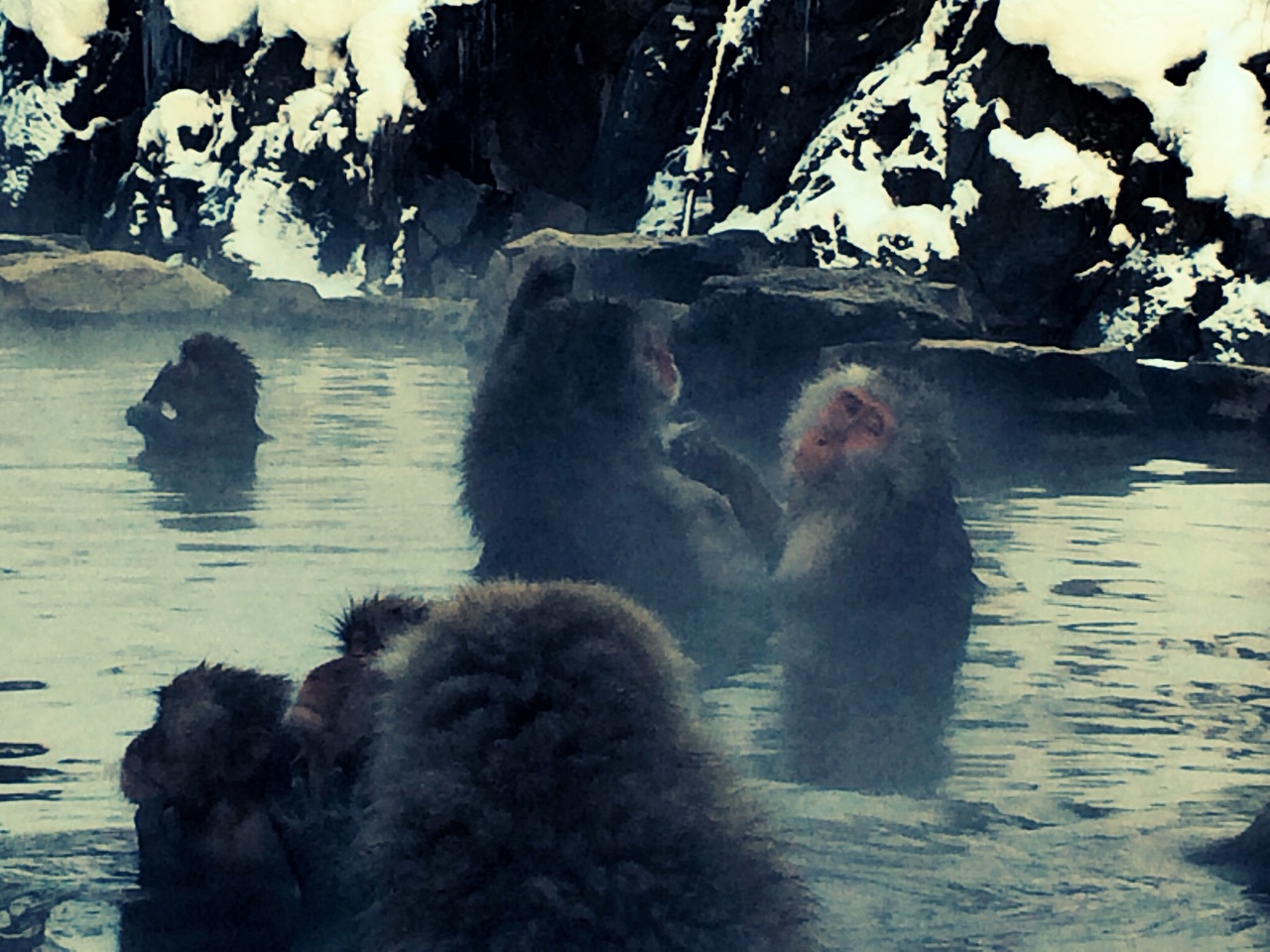
- If you are looking for a fun overnight trip in late Fall, Winter or early Spring - consider going to the Snow Monkey Park in Nagano - about two hours from Tokyo on bullet train and connecting train lines, and stay at an onsen (hot spring) in the town of Yamanouchi. Here is a video of what to expect at the park. Grab a draft at Shiga Kogen Brewery on your hike back to town.
Jigokudani Snow Monkey Park in Nagano  Video: Jigokudani Snow Monkey Park in Nagano Open on YouTube ↗
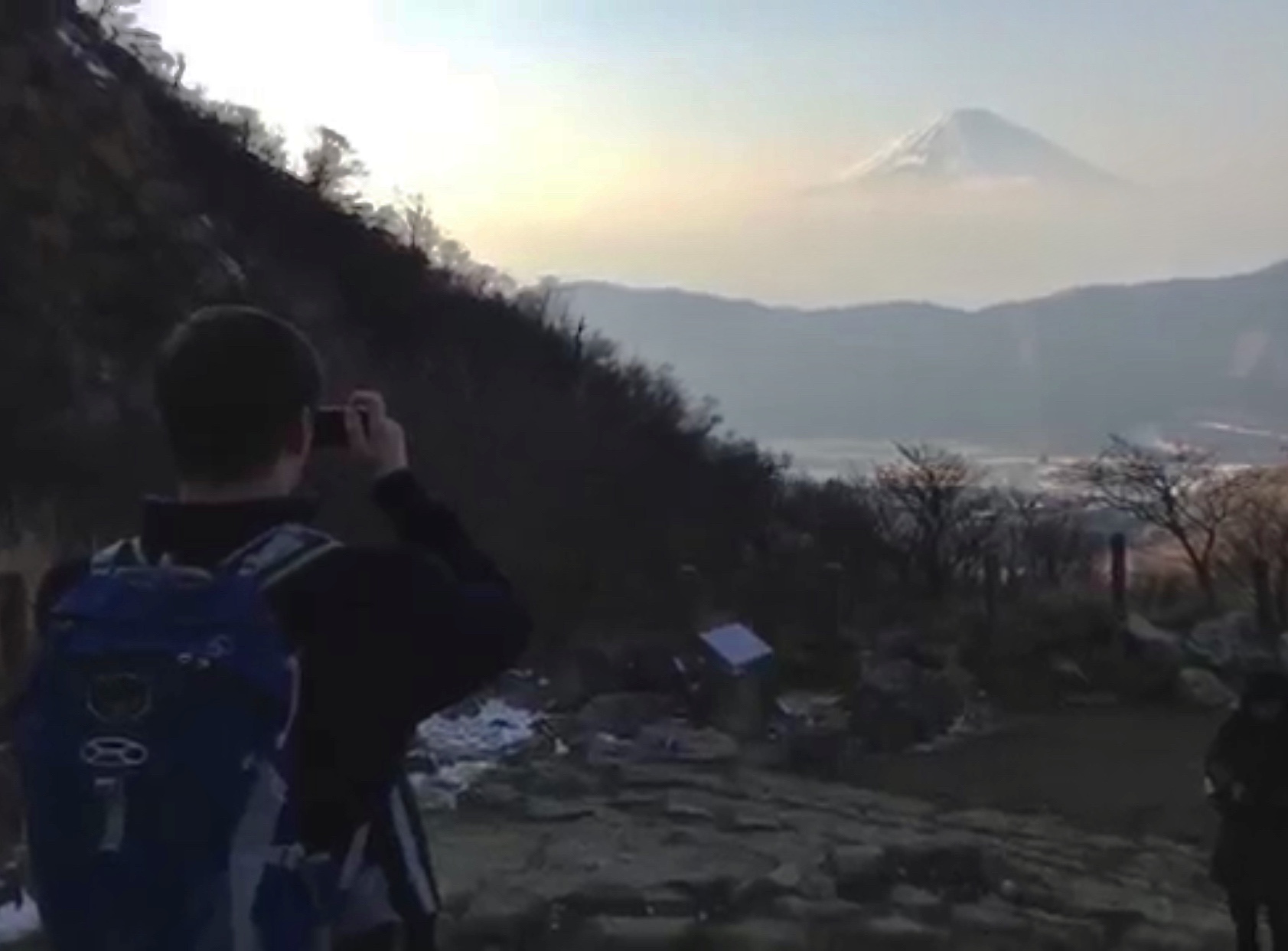
- Hakone Round Trip Course - easy day trip from Tokyo. Take the Romance Car Train from Shinjuku to Hakone and enjoy great views of Mt. Fuji on a loop that involves trains, trams, pirate boats, and short hikes.
Hakone Round-Trip Course & Lake Ashi Views - Ramen Museum in Yokohama. This is a museum that recreates Japanese streets in the 50’s and houses several mini store fronts from the most famous ramen houses across Japan. Come, take some wacky pictures, and try a sampling of the small ramen bowls from the different vendors. While in Yokohama, if you have a full day, we recommend taking a walk along the Yamashita Promenade that goes along the port of Yokohama - you will find lots of museums and beautiful views of the port. We recommend stops at Yokohama Red Brick Warehouse (2 historical building constructed about a century ago that are now home to restaurants, retail outlets and exhibitions...great place for brunch is Bills - go for the banana pancakes), Hikawa Maru (only surviving 1930’s luxury passenger/cargo ship that is in its original state - feels a bit like walking through a smaller version of the Titanic), and spending some time out on the Osanbashi Pier (a 400 meter pier with walkways and green spaces that are open to the general public...an interesting attraction even for travelers not boarding a ship).
- Kamakura was the capital of Japan from the 12th - 14th century. It’s about an hour train ride from Tokyo with lots of shrines and temples, including one of the largest buddhas in Japan.
- Kawagoe: If you are looking for an opportunity to visit a town that is about an hour from Tokyo’s Shinjuku station that has lots of preserved Edo era clay warehouses and merchant homes (called Karazukuri) that survived the war, we recommend making a day to visit the Edo-period castle town called Kawagoe in Saitama northwest of Tokyo. Think of it as a rural Asakusa where you enjoy a range of traditional and cultural Japanese experiences (think Kimono testing, sake testing, pottery classes, rickshaw rides, etc) and visit Kita-in, a major Buddhist temple that features remnants of the former Edo Castle. It is also less crowded than Kamakura. We have always enjoyed the many traditional cafes and shops with crafts and food along Taisho-Roman Street and Chuo Doori Street. Be sure to check out Penny Candy Lane (Kashiya Yokocho) where in the late 1800s there were over 70 shops making hard candy that was shipped all over Japan. There are still shops making candy on the old machines. If you happen to be in Japan on the 28th of any month, Kawagoe hosts one of the most popular shrine sales in the Tokyo area. Shrine sales in Japan provide an opportunity to purchase antique nick-nacks, statues, ceramics, furniture, kimonos and other kinds of traditional stuff. We have only visited Kawagoe on the shrine sales days, and combine the visit with time in the broader town, especially at night when you see the old merchant buildings lit up. Kawagoe is very accessible on three different train lines and there are lots of English language tour maps to help you get around.
Kawagoe Edo-Period Warehouse District 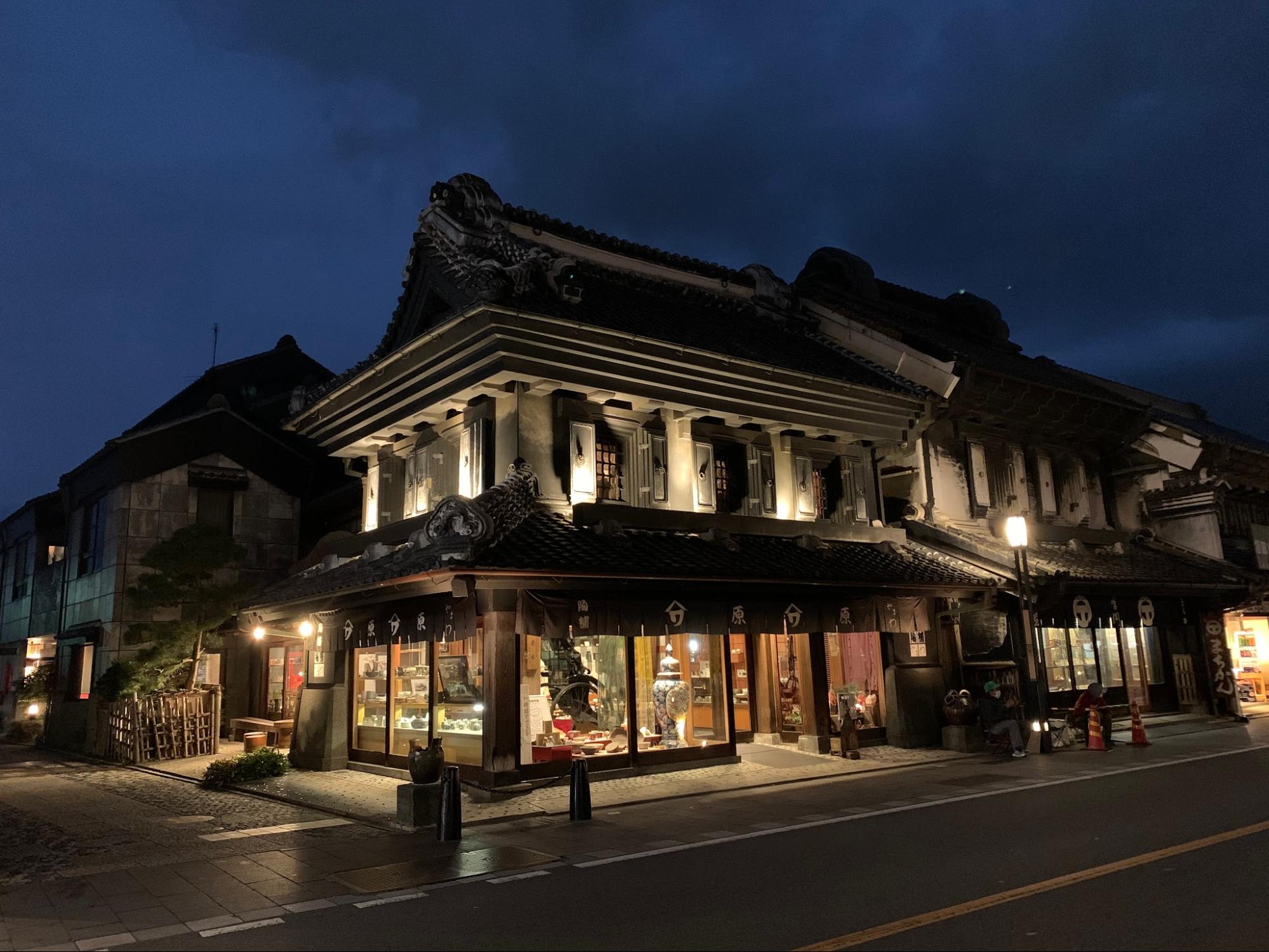
Kawagoe Traditional Shopping Street 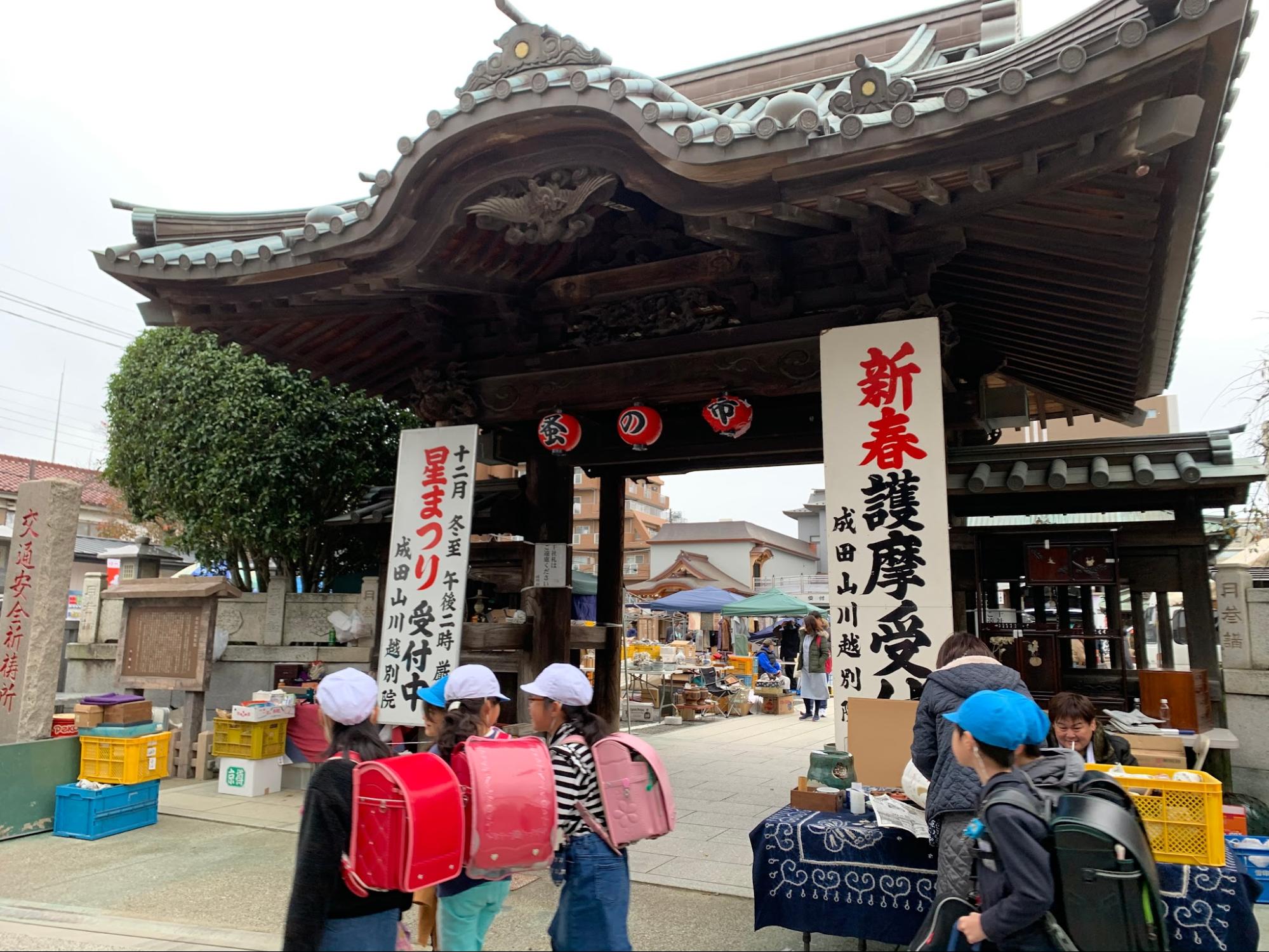
Kawagoe Historic Kurazukuri Architecture 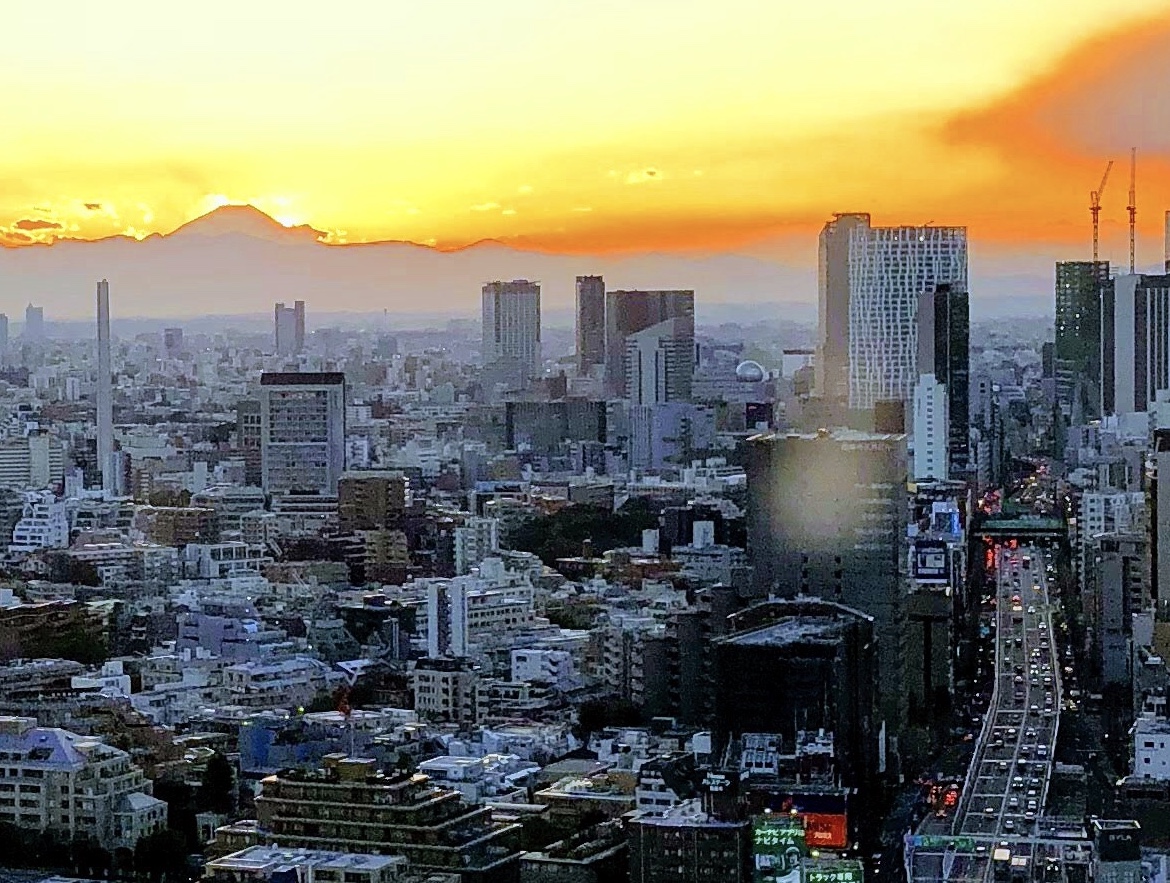
Kawagoe Evening Lanterns & Shrine Market - A nice weekend day outing is Minka-en Open Air Museum in Kawasaki. The museum is home to 25 preserved buildings from the Edo Period (1603-1867) which were relocated to Kawasaki from all over Japan. We enjoyed seeing the old architecture in a natural setting that gives you a feel for what it was like to live in Japan during this period. A must if you like traditional wood architecture. One of the houses is set up as a soba restaurant. We went around children’s day in May when they have special programs for kids (old time games, traditional crafts). Easy parking.
- Another option if you like traditional Japanese architecture is the Edo Tokyo Open Air Museum located on the west side of Tokyo. Most of the architecture is from the Meiji period, and it has a broader selection of architecture styles vs. Minka-en that focuses mostly on farm houses. This is the sister museum of the well known Edo Tokyo Museum located more centrally in Tokyo in the Ryokugo district of Tokyo. The Edo Tokyo Museum is most famous for its dioramas, miniature models of different scenes in traditional Japan. Not too far from Edo Tokyo Museum in Ueno is one of Japan’s oldest and largest museums, The Tokyo National Museum, which has a well curated overview of Japanese art, including nearly 100 national treasures. Ueno Park is also a famous place to take in Japan’s famous cherry blossoms if the timing is right. Check out this Japan Times Review of some of the Tokyo museums mentioned here and others for more details.