Central Japan Alps (Takayama & Nakasendo Highway)
One option to consider if you have a couple extra days, and you want to venture beyond the Kyoto and Tokyo areas, is the Japan Alps.
- The largest town is Takayama. This historic Japanese town wasn’t bombed during the war (conscious decision by the US military) so you will have an opportunity to experience and see sections of the town that look much like they did a couple hundred years ago. If you are interested in traditional thatched roof farmhouse architecture (my mom is a fanatic in this regard) there is an outdoor museum of them here. (If you are really into the farmhouses and have an extra day, go see them in Shirakawa-go, but this really requires a full day. The farmhouse museum in Takayama only requires ½ day.)
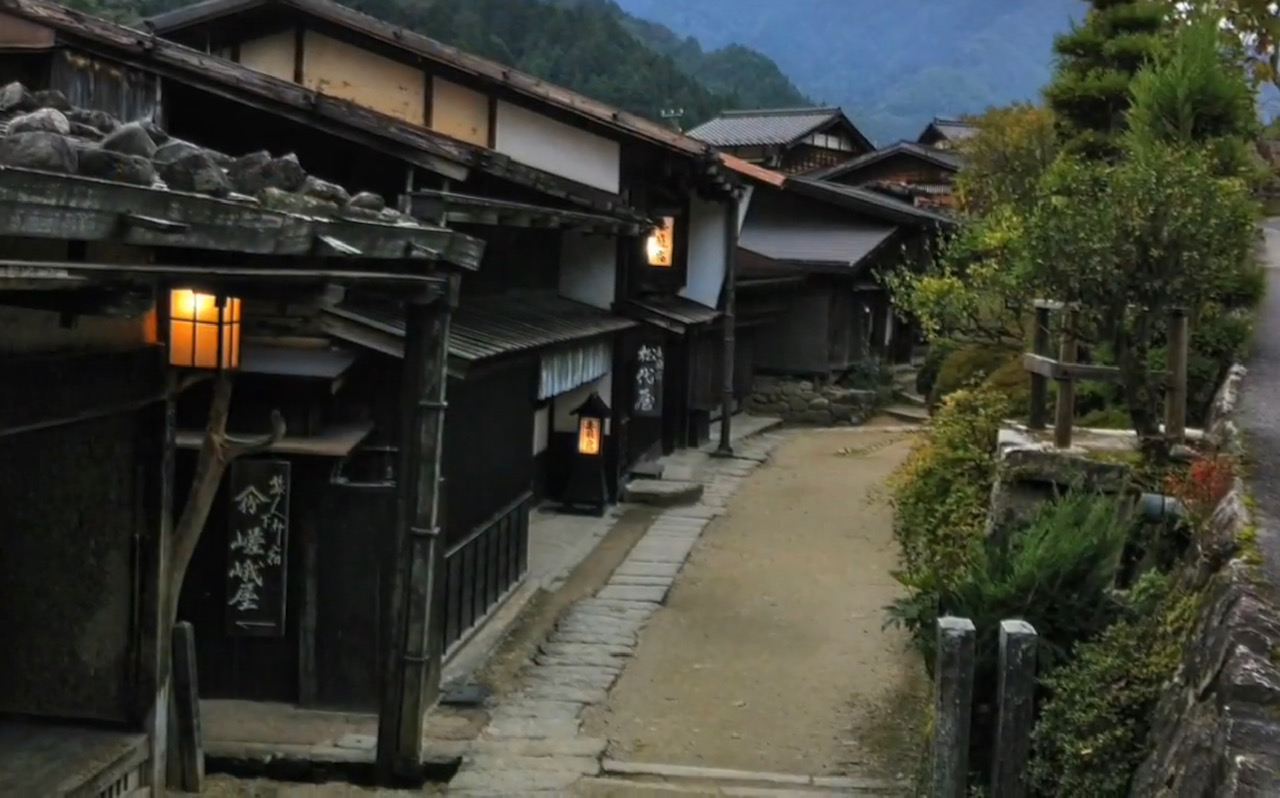
- About a 2 hour train ride from Takayama, is the historic town of Tsumago, one of the original 69 post towns on the famous Nakasendo Highway (also here), the old road/trail that was used for travel between Kyoto and Tokyo during the Edo Period. You can still walk the very scenic Nakasendo trail and stay in some of the post towns that have been maintained as historic sites with original buildings. One of the most famous hikes is from the post town of Tsumago to Magome (here). It is basically two towns set up as historical preservation museums, kind of like Williamsburg. If you are interested in experiencing the Japan of old, you might want to do it. It is a little difficult to get in and out of there, but if you have time you might enjoy it. They have a service that will transfer your luggage from one town to the other while you walk .. described in the link.
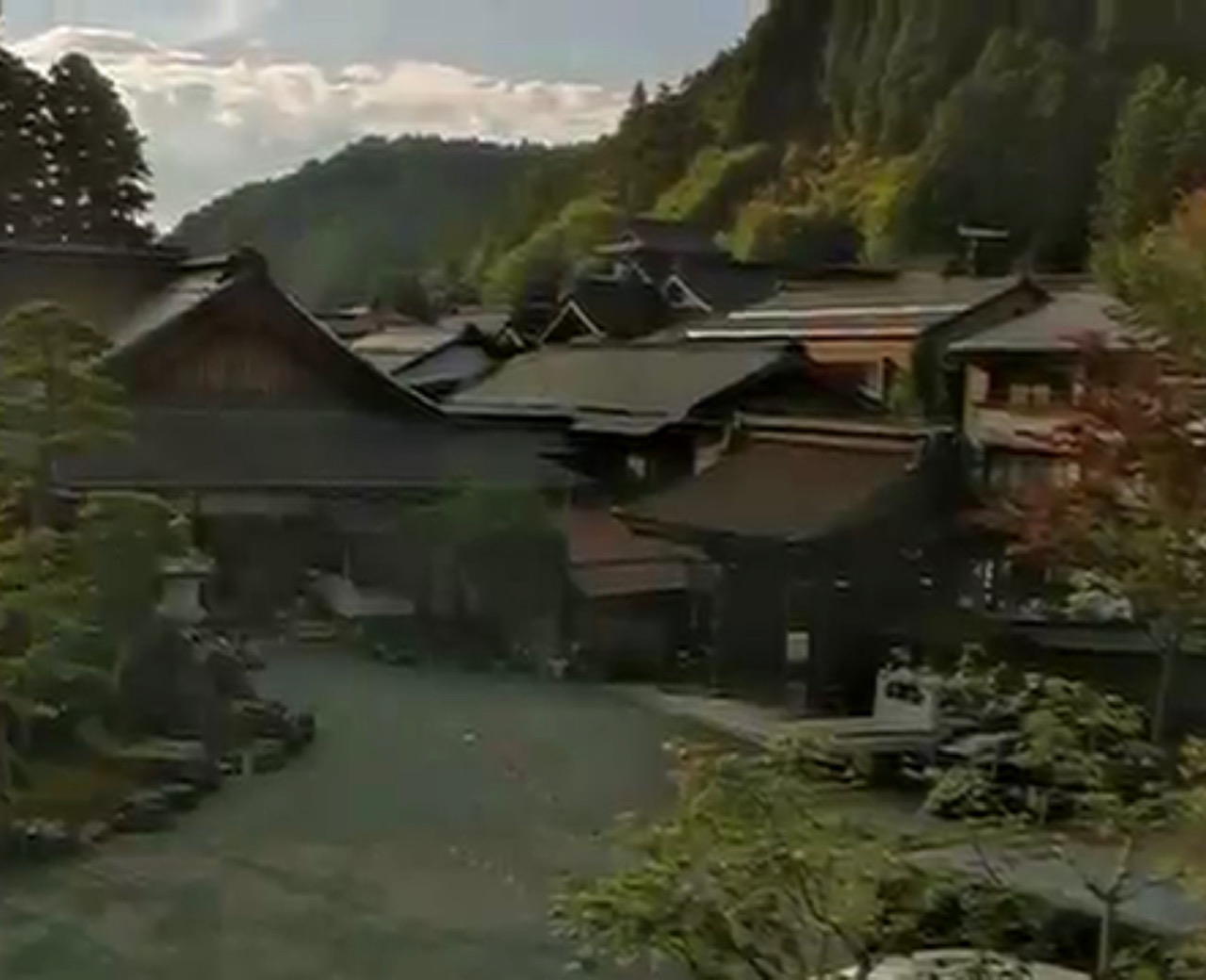
Nakasendo Highway Post Town — Tsumago to Magome - See this video (Japanese Alps) to get a feel for whether or not Takayama, Fukuchi Onsen hot springs (mentioned earlier), and a hike along the Nakasendo Highway is something you might want to include in your trip to Japan.
 Video: Central Japan Alps — Takayama, Fukuchi Onsen & Nakasendo Trail Open on YouTube ↗
Japan Central Pacific Coast (Ise Shrine, Toshijima, Kamijima & Toba)
Video of the area: Seafood and Shines in Central Japan Video

Mie Prefecture is located on the eastern side of a large peninsula directly south of Nagoya, which is between Tokyo and Kyoto on the Shinkansen route. Its most famous destination is Ise Shrine, the most important Shinto shrine in Japan. Ise Shrine on its own is a bit out of the way if you have limited time in Japan, but combining an Ise Shrine visit with a trip to nearby Toba and its surrounding islands can be a worthwhile detour if you are interested in experiencing Japanese seaside life along with one of the most sacred religious spots in the country.
There are a number of trains that get you to the Ise area and Toba from Nagoya, but for a real treat on rails, make a point of riding the Kintetsu Line’s Premium Express Shimakaze Sightseeing Train. (You can also access Ise and Toba from Osaka and Kyoto via this train.) Cars 1 and 6 are elevated observation cars, and are the best spots on the train, but the whole thing is very nice.
The 10:25 a.m. Shimakaze from Nagoya to Iseshi or Ujiyamada Station (the two best stations from which to access Ise Shrine) takes about 90 minutes. You can visit the outer and inner shrines (Geku and Naiku) as well as spend some time exploring the charming adjacent Oharaimachi and still get to Toba by dinnertime. Oharaimachi is an authentic Edo era shopping street just outside the entrance to the Naiku. I would plan for 2 hours on this street for shopping and lunch or late afternoon coffee. Isuzugawa Cafe, in a wooden building overlooking the river, is very atmospheric.
Fifteen minutes south of the Ise area on a local train is the seaside town of Toba, the home of Mikimoto and the birthplace of the cultured pearl industry. Mikimoto’s pearl museum and amasan (pearl diver) demonstration are fascinating. If you are staying in or passing through Toba, definitely plan a meal at the excellent Italian restaurant Cuccagna near Toba Station. It offers unexpectedly high quality and very reasonably priced pastas, pizzas, salads, desserts in a chic and cozy atmosphere. Seafood is the featured ingredient, focusing on local oysters. There is also a branch of this restaurant near Ise Shrine. Cuccagna 2 is equidistant from Iseshi and Uji Yamada Stations, near the entrance to the Geku of Ise Shrine. I wish they had a branch in Tokyo, but maybe in the future? It is really that good!
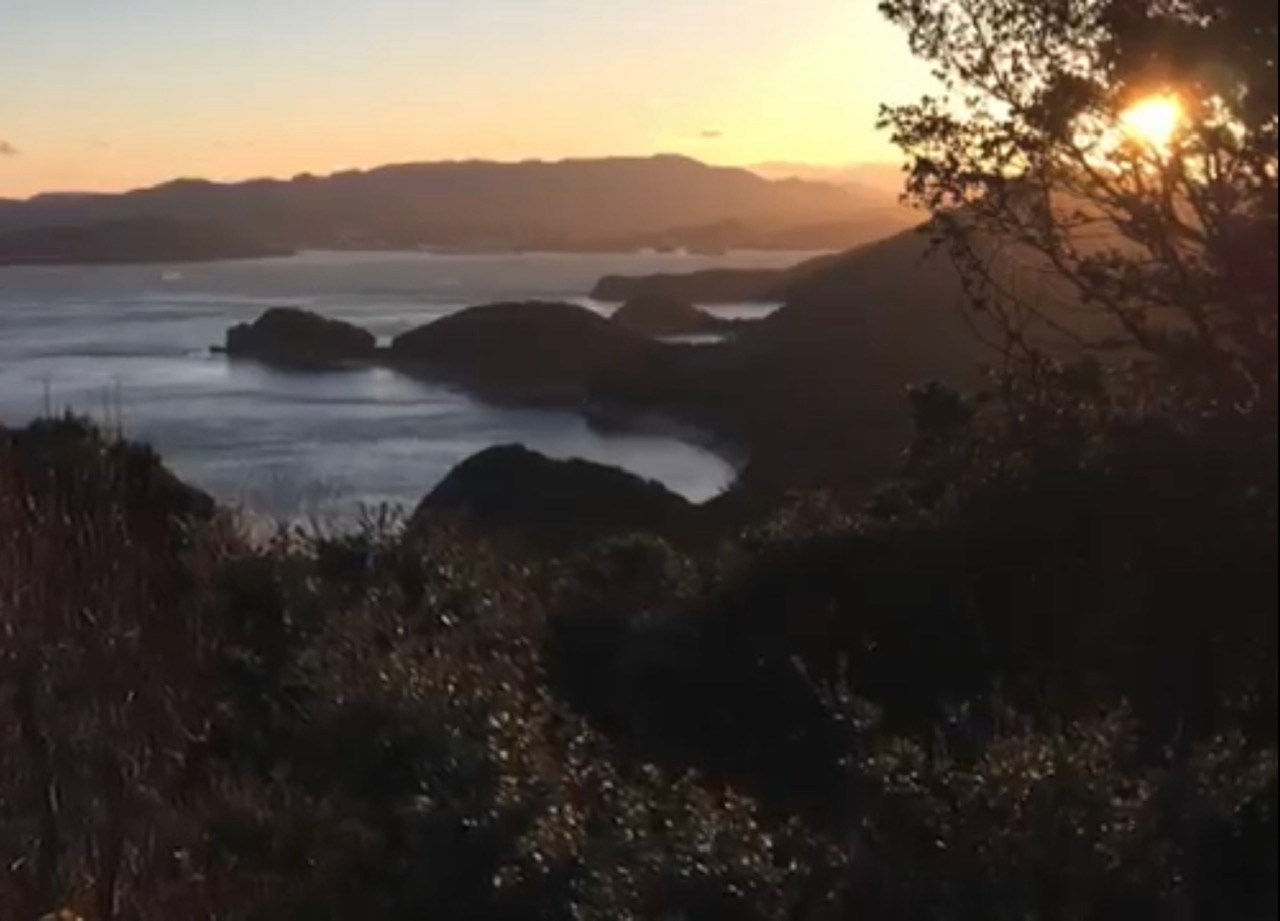
A 15-minute boat ride from Toba is the fishing-centric Toshijima. A visit here is a great opportunity to experience Japan’s fishing industry culture firsthand. On Toshijima you can dine in a seaside hut operated by amasans, the women divers who collect shellfish from the ocean floor, visit a regional fish market and auction and an oyster processing facility and see some great views of the surrounding islands and coastlines from a spectacular viewpoint.
On Toshijima, we recommend staying at Suzunami Ryokan, a large, well-maintained and comfortable ryokan, with pleasantly large rooms, all of which face the harbor. Each room has a mini-bar fridge stocked with chilled bottled beer, sake and soft drinks. The harbor view and ambience of the rooms are so nice, I would factor in time in your room in the late afternoon to enjoy the view and the sunset and debrief with your traveling companions over a cold one before heading to the rooftop onsen which also commands a spectacular view of the harbor.
For dinner on Toshijima, we recommend the very new and chic Kikuya, which opened in February 2017. Offering local seafood, sparkling modern decor, comfortable “horigotatsu” seating and dedicated, cheerful proprietors, Kikuya is a worthy destination restaurant experience.
After your morning onsen and checking out of your hotel on Toshijima, another short boat ride will take you to the island of Kamijima. Kamijima, which you can circumnavigate on a well-maintained, but, at times, steep trail in about 2 hours, was location on which the setting of Yukio Mishima’s award-winning novel, The Sound of the Waves was based. (The trail has many steps, so hiking only, no cycles, unfortunately.) The celebrated author resided on the island for 3 months while he wrote this important novel, which was also partially filmed here, at a former World War II lookout affording spectacular views of the coastline. Kamijima can be covered in about 3 hours … and you will be glad you did!
Back in Toba, make sure to save a couple of hours for the Mikimoto Pearl Island, where you can watch an amasan diver demonstration, learn all about the cultured pearl industry in their museum, and shop for pearls at their shop (we ran out of time for the shopping, which kills me, but I bet it is great). A 5 p.m. train out of Tokyo will put you in Nagoya around 6:30 and back in Tokyo by 8:30.
Don’t Miss: City Bakery, Hidden Gem in Shinagawa Station
Anyone traveling south of Tokyo on the Shinkansen leaving from Shinagawa needs to be aware of the City Bakery in Shinagawa Station, located near the Shinkansen ticket gate. This is a branch of the City Bakery in New York, and it is a fantastic place to get coffee and scones (as well as a whole array of wonderful baked goods) for an early morning train trip. If you are going to be traveling long enough to also need a packed lunch, they have lovely salads and sandwiches which are superior to any that you will find on the train, the train platform, or in the stations along the way, so I recommend that you stock up on your traveling food here. And, as lovely as Japanese breakfasts are, some of us would prefer a scone or croissant to rice and miso for breakfast, so if you fall into that category, grab some extras of these to keep for the next morning or two (or three) if you are planning to stay in Japanese accommodations which are not likely to offer Western breakfasts.
Shikoku Island (with En Route Stop at Himeji Castle)
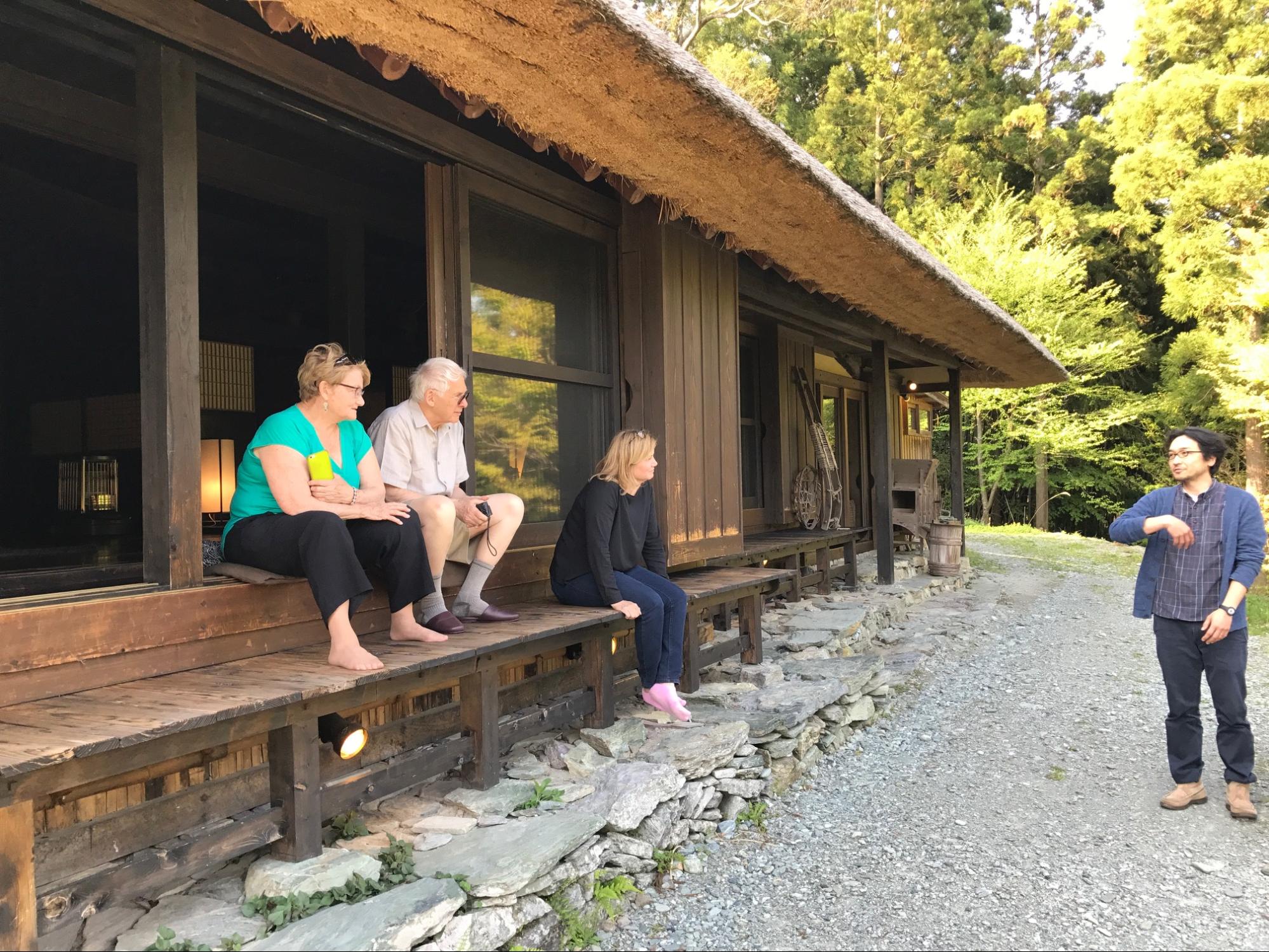
Shikoku is Japan's 4th largest (and quietest) island out of the big four. If your travel schedule allows time for a visit to this more remote Island, we highly recommend traveling by car up Shikoku's Iya Valley, which is known for being one of the last few vestiges of old world Japan with its dramatic mountain valleys, thatched roof farmhouses and historic vine bridges. We spent one night at Chiiori, a 300 year-old farmhouse (restored with modern conveniences) located high up in the mountains of Iya Valley. Here is a link to a video of what to expect to see while in Shikoku.

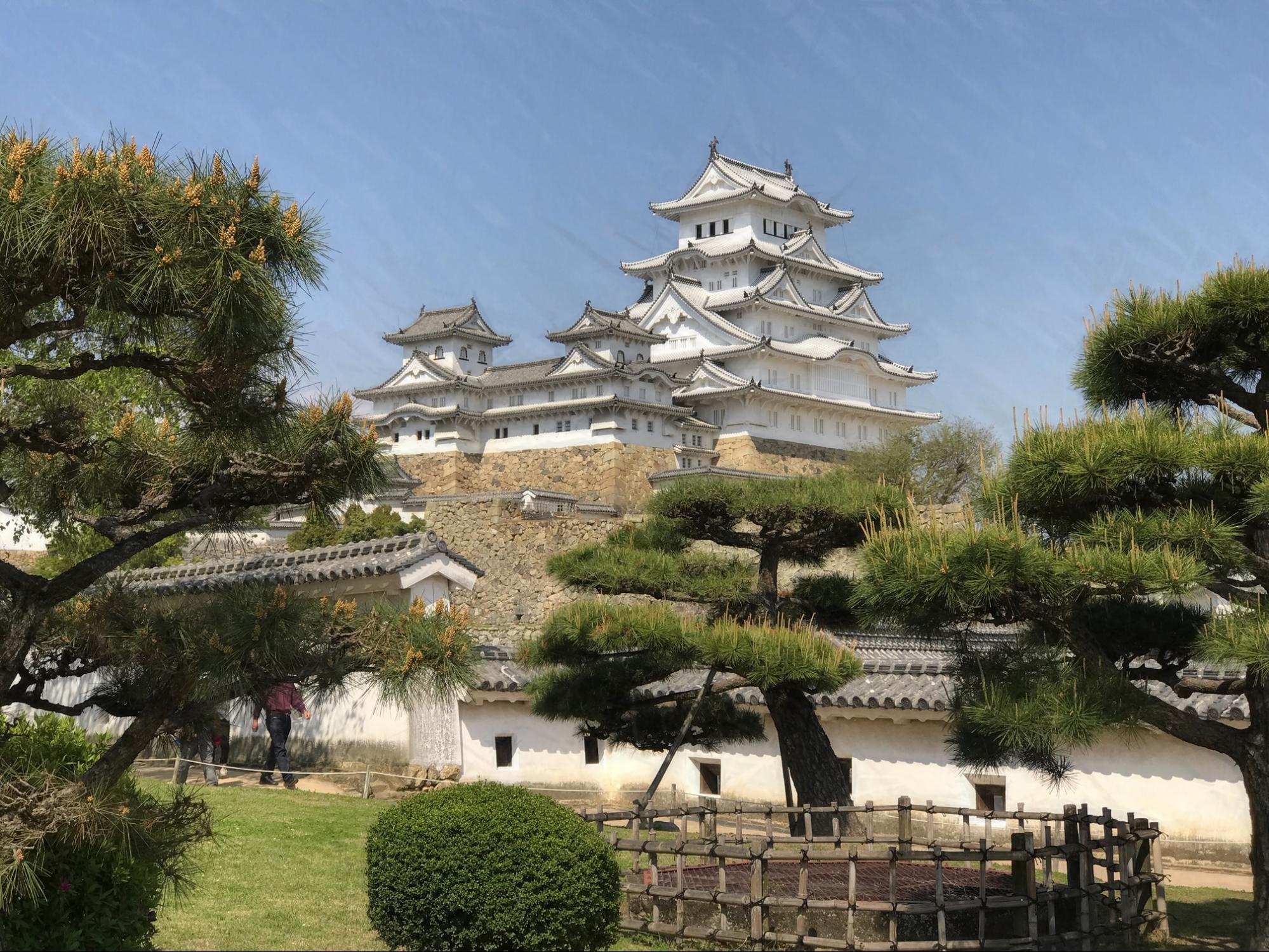
We recommend making the trip to Shikoku on the bullet train (change trains at Okayama Station to JR's Marine Liner for the trip over inland sea to Takamatsu on Shikoku island). This route allows you to stop at Himeji Castle (one stop before Okayama station), which in our humble opinion is the most spectacular of Japan's big castles. The castle, and its well preserved and complex castle grounds, is a world heritage site and survives as one of Japan's 12 original castles that was never destroyed by war, earthquake or fire. It is very easy to include a 3 hour stop at Himeji on your way to Shikoku.
We chose to make Takamatsu our primary stop in Shikoku. The city's port used to be the main entry point to Shikoku Island until the opening of the Great Seto Bridge, the world's longest two-tiered (highway-railway) bridge system, which connects Okayama (Honshu) and Kagawa (Shikoku) prefectures across the Seto Island Sea. The train trip on the Marine Liner across the 8 mile long bridge provides great views of Japan's coast. We stayed at the JR Clement Hotel, which had great views of the harbor and provided easy access to multiple train lines. The room rates vary by season and size (but pass on the breakfast package, which wasn't worth it). An alternative way to venture onto Shikoku Island from the main island that we didn’t have time for is the Shimanami Kaido Highway, a 60 kilometer-long highway exclusively for automobiles that links the islands of the Seto Inland Sea with nine individual bridges. Each bridge consists of a road way and a pedestrian walkway, which makes it a great bike route for those who want to add a biking adventure to their Shikoku trip.
Key points of interest in close vicinity to Takamatsu include: Ritsurin Garden, one of Japan's most famous historical gardens (amazing pine trees), Yakuri Temple, (#85 temple on the 88 temple Shikoku Pilgrimage), which can be accessed by taxi/car or by the Yakuri Cable Car (we took a taxi to the top and the cable car down), Isamu Noguchi Garden Museum, Japan home of the famous Japanese American artist and landscape architect (reservations required and a very pleasant 20 minute walk from base of Yakuri Cable Car), and Takamatsu Castle, which is located right next to Takamatsu Station. A nice side trip from Takamatsu is the short ferry ride over to Naoshima Island, which is known as Japan’s Art Island. You can go for the day or spend the night there. Naoshima is famous for its contemporary art museums as well as outdoor contemporary art installations throughout the island. We have stayed at Benesse Art House. If you chose to go to Naoshima directly from Tokyo or Kyoto you can pick up a ferry from Uno Port near Okayama Station.
The highlight of our Shikoku trip was the drive up the remote but very beautiful Iya Valley. You can rent a car in Takamatsu and drive there (couple of hours) or take a train to Oboke (one of the entrances to the Iya Valley) and rent a car there. We did the former but with hindsight probably would have tried the latter to enjoy what looks like a spectacular train ride into the mountains. While in Oboke you can take advantage of the Oboke Gorge boat rides on the Yoshino River. The drive up the Iya Valley is on some of the most narrow, 2-way roads we have ever driven on but there are lots of viewpoints and hot springs to see along the way, including the famous vine bridges like Kazurabashi, which used to be the only way to make it across the deep gorges that make up the valley. What made the trip to the Iya Valley most special was our overnight stay at the 300 year-old Chiiori Farm House that was restored by an American named Alex Kerr. You can learn more about his experience in renovating the house by reading the Iya Valley Chapter (#2) of this book Lost Japan. Even if you don't have time to visit Iya Valley, we recommend reading this short chapter of his book to get a very interesting perspective on the Japanese psyche. If you are unable to get a reservation at Chiiori (~Yen 15,000/person/night), you can also try to book a vacation rental at one of the other traditional farm houses that have been restored in the area with Alex Kerr's guidance - see Tougenkyo-Iya Mountain Village (a collection of thatched roof farmhouses that are available for vacation rental). One thing we did on the trip and is not recommended is the Unpengi Ropeway - while the ride provides a beautiful view of the mountains and coast, it is a bit remote and the temple at the top of the mountain is not that spectacular.
Southern Japan & Setouchi Shimanami Kaido Bikeway
We made a last minute trip to Shikoku and Kyushu in early November and found it to be a perfect time to visit this part of Japan. Here is a video that highlights what to expect during this time of year, including the one of the best bike routes in Japan. The weather was great for biking the Seitouchi Shimanami Kaido, enjoying ferry boat rides in the Seito Island Sea, and taking in local festivals. This is also the time of year when the fall foliage season starts in Kyushu. The route we took included the Shinkansen down to Fukuyama, local train to Onomichi, 70 kilometer bike ride from Onomichi to Imabari (sending luggage ahead via Takkyuu-bin), ferry boat from Yawatahama to Beppu hot spring resort on Kyushu Island, rental car ride to Yufuin Hot Springs near Mt Yufu, and then on to Nagasaki with a stop at the Saga Balloon Festival. We also had an opportunity to see the Karatsu Kunchi Festival.
Setouchi Shimanami Kaido
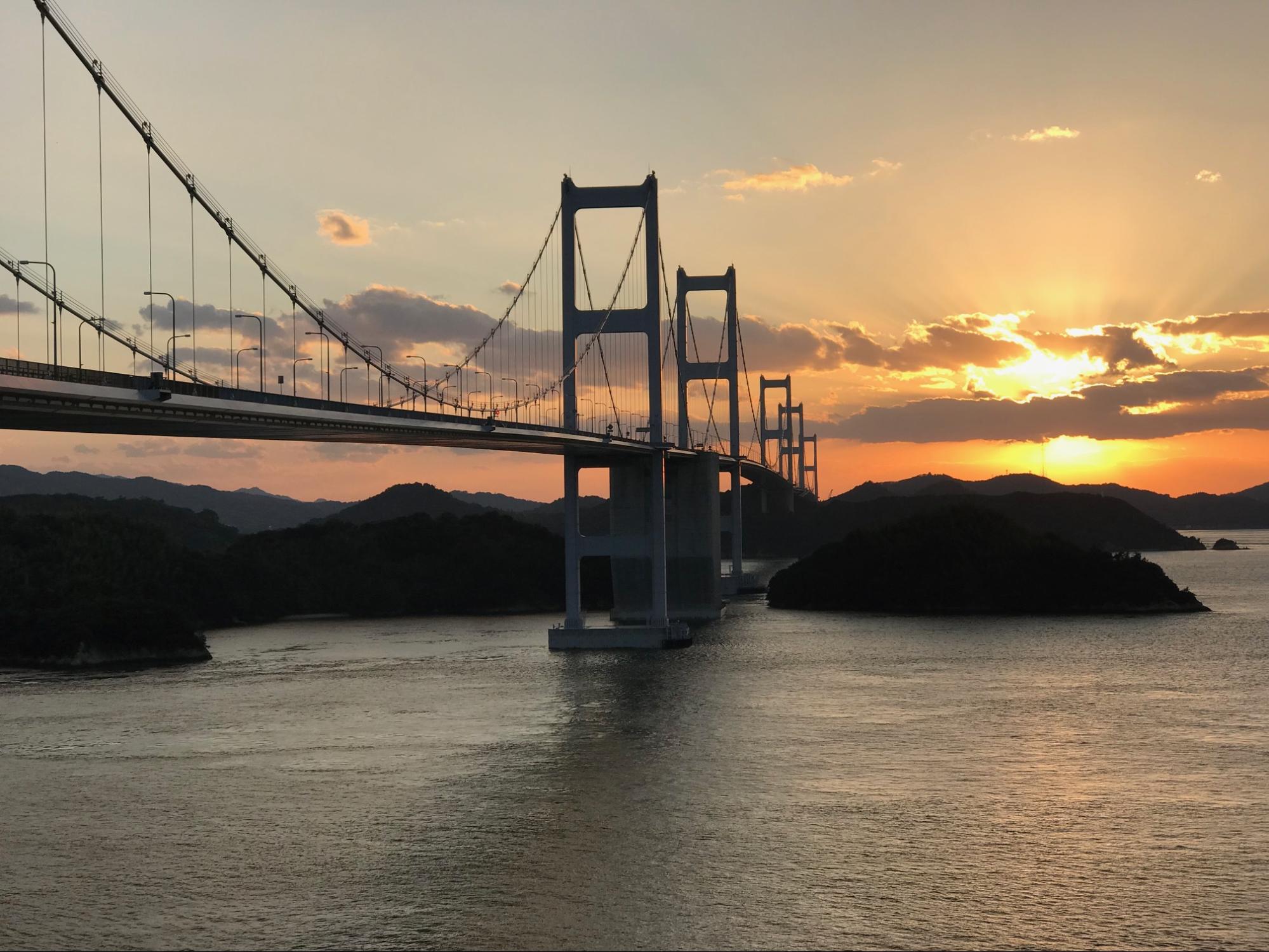
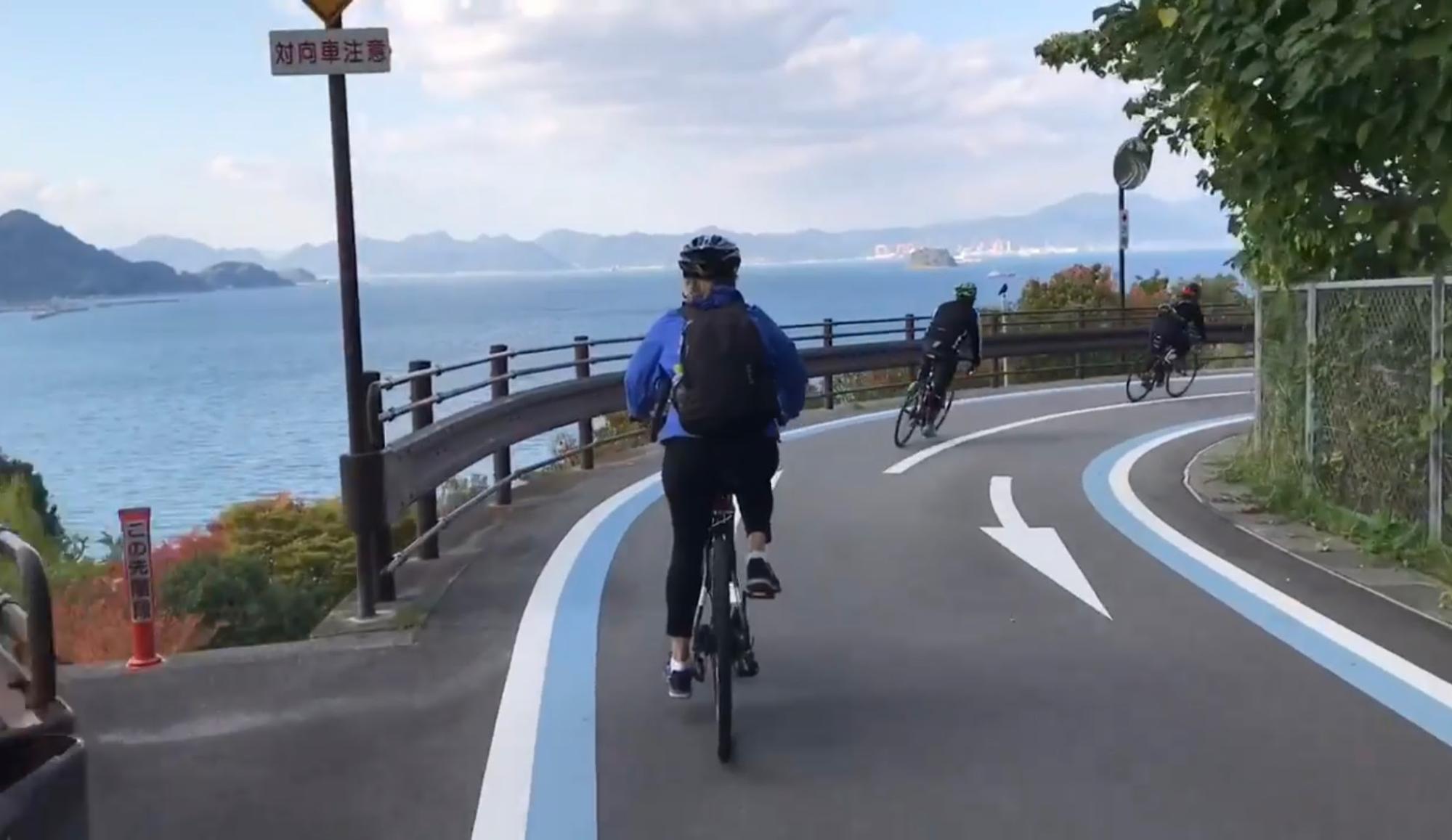
The Shimanami Kaido is by far one of the nicest long distance bike rides in Japan (see video link above). It was on our bucket list and didn’t disappoint. The 70km bikeway connects Onomichi on Honshu Island with the islands of Mukaishima, Innoshima, Ikuchijima, Omishima, Hakatajima, and Oshima, ending in Imabari on Shikoku Island. Cycling is a great way to go. The route includes dedicated lanes for bikes and pedestrians, typically alongside but separated from the car roadway. Special bike lanes have been created to provide “graded” and easy to bike approaches to each of the seven bridges connecting the islands. There is some debate about which direction to do the ride...we liked going from Honshu to Shikoku Island arriving at the last bridge, Kurushima-Kaikyo Bridge (world’s longest suspension bridge) around sunset (see video link above for overview of bike ride).
To do this route, we recommend catching the bullet train (Shinkansen) from Tokyo around 10am, down to Fukuyama, and then catching a local train to Onomichi. While in Fukuyama, you can check out Fukuyama Castle (ok castle but not our favorite). This will get you into Onomichi in time to enjoy the port city and prepare for the big ride the next day. We highly recommend staying at Hotel Cycle located on the Onomichi Pier in a converted warehouse called Onomichi-U2 that includes the hotel, bike shops and dining. It’s an industrial hip concept hotel in a former portside warehouse where many bikers stay on the eve of their trek across the Shimanami Kaido. Bikes can be rented or dropped off at any of the 14 bike depot locations along the route (Y1000 to rent, Y1000 deposit, deposit forfeited if you return to a depot other than the one you rented at). Bike depots have a variety of bicycles including 8-speed road bikes, 3-speed "upright" bikes, and electric assist bikes (electric assist must be returned to the original depot it was rented from). Helmets are available but sizes may be limited. The bike depot at the Onomichi port (7AM-6PM, +81 0848-22-5332) is located in the parking structure to the right of the Green Hill Hotel, located opposite the JR Train Station (also close to Cycle Hotel). You should plan to rent your bike before 8am (they say 10am but that was too late for us) if you are starting from Onomichi and want to take a more leisurely ride.
There is excellent information including a printable map of the route at this link here. You can also get a larger map at Onomichi port or any of the bicycle rental places. The map is nice to have but the route is marked on the road with distance markers every km. Turns are shown with arrows and the entire route has a blue stripe on the road. Follow the stripe and you are on route. If you get tired en route there are multiple locations where you can drop off your bike and catch a ride on a bus for the rest of the route. In Imabari we stayed at the Imabari Kokusai Hotel, which had a very nice large onsen which was most appreciated after the 70 kilometer ride. If you book the hotel through Expedia you will have better access to non-smoking rooms.
Kyushu Island (Yufuin, Saga & Nagasaki)
Rather than going back over the bridges to Honshu and on to Kyushu, we took the ferry boat from Yawatahama Port to Beppu and rented a car there for our time in Kyushu. We spent the first night at Yufuin Hot Springs resort - about a 45 minute drive from Beppu up into the mountains. The resort is located next to Mount Yufu, a picturesque volcano shaped mountain that has beautiful foliage in the fall. The town of Yufuin has lots of hot springs hotels. We stayed at Makiba No Ie located near the center of the town. All the hot springs at this hotel were outside style (outside bathing). If you have chance to stay in Yufuin, we highly recommend walking along the river up to the lake and then back through the town.
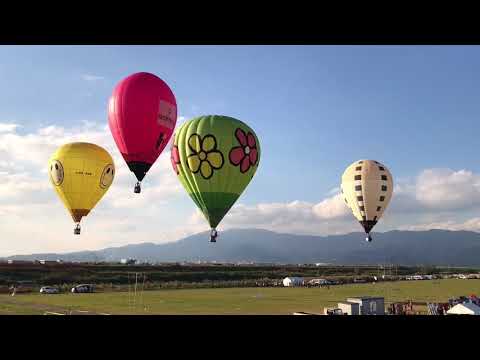
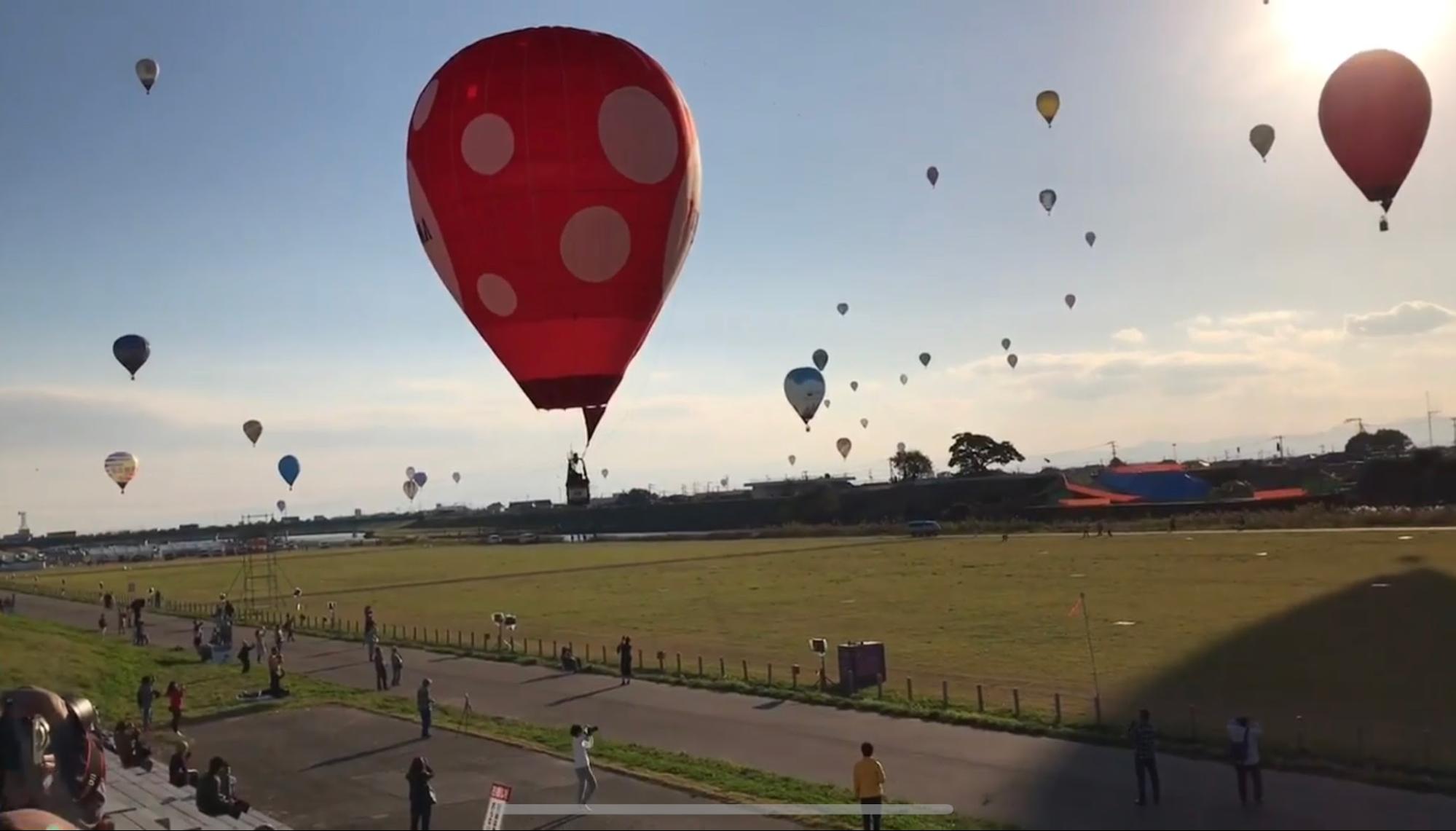
Our next stop in Kyushu was the 2017 Saga International Balloon Fiesta - the largest hot air balloon festival in Asia that is held in November every year in Saga - about an hour north of Nagasaki. This year there were 102 balloonists from around the world competing in several different competitions.
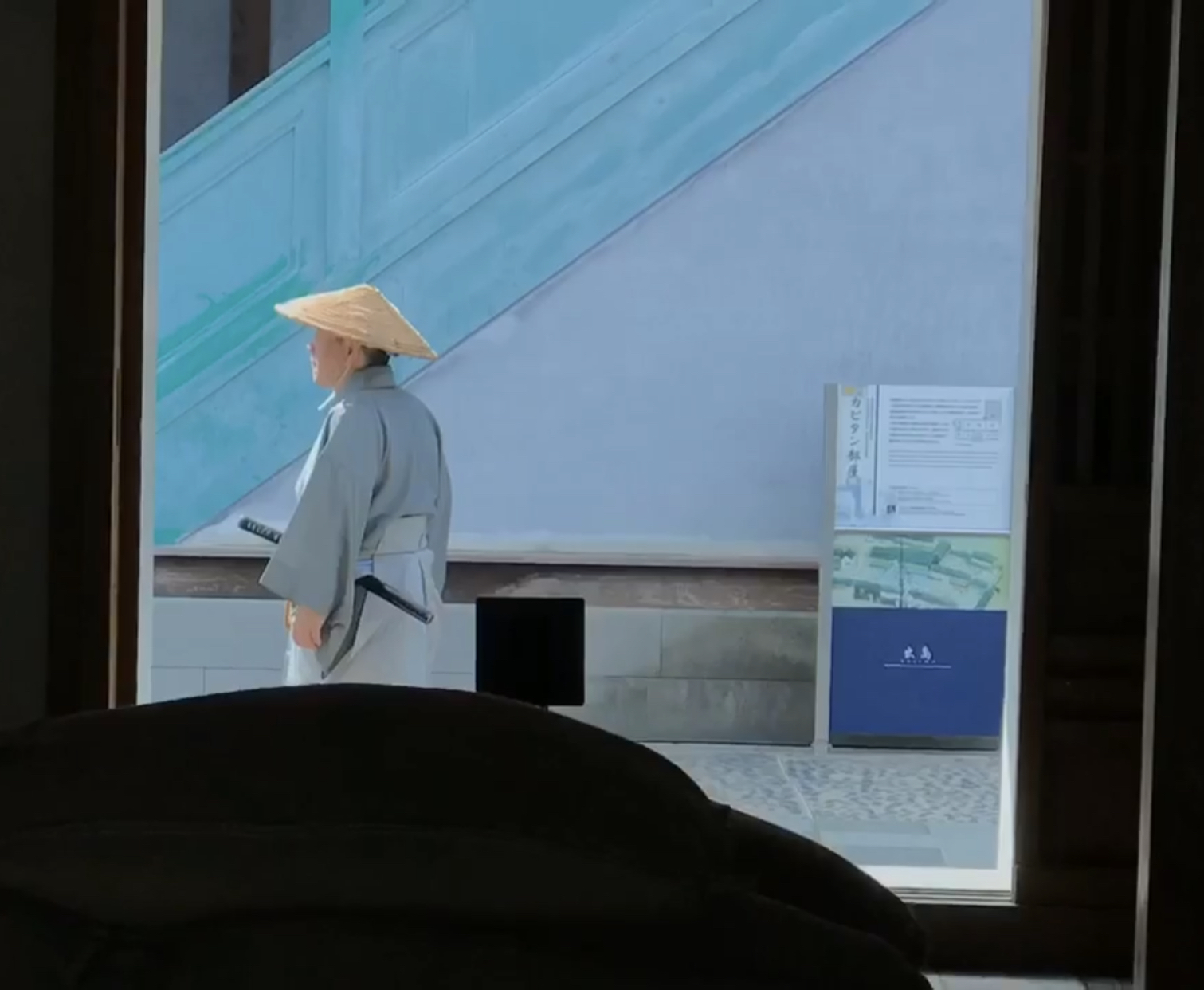
From Saga we continued down to Nagasaki with a primary goal of visiting Dejima - the small merchant city at the tip of Nagasaki that was the only place in Japan where foreigners were allowed for 250 years until Japan opened up to more foreign trade in the mid-1800’s. From 1636 to the end of the Edo period, Dejima was the one location in Japan where the Tokugawa Shogunate allowed traders (Dutch East Company) to trade with Japan. Over the last 10 - 20 years, the city of Nagasaki has been restoring Dejima and there are now 16 buildings from the early 19th century that have been brought back to life. A short walk from Dejima is Glover Garden, which is situated on a hill overlooking the harbor. The park was built for Thomas Blake Glover, a Scottish merchant who contributed to the modernization of Japan in shipbuilding, coal mining, and other fields (it is said Glover played a key role in the founding of Mitsubishi). In it stands the Glover Residence, the oldest Western style house surviving in Japan and Nagasaki's foremost tourist attraction. He also started a beer company called Japan Brewery Company. It is also said that the stone guardian lion-dog sitting next to the greenhouse was the model for the picture on the Kirin label. Any trip to Nagasaki also deserves a stop at Peace Park and the Nagazaki Atomic Bomb Museum. After a long day of touring, we highly recommend a stop at Dejima Wharf, a series of waterfront bars and restaurants near Dejima and a great place to watch the sunset over the water. We also enjoyed a drink at Bar IWI, a small street side bar in the entertainment district of Nagasaki run by New Zealander Brynn Jarvis.
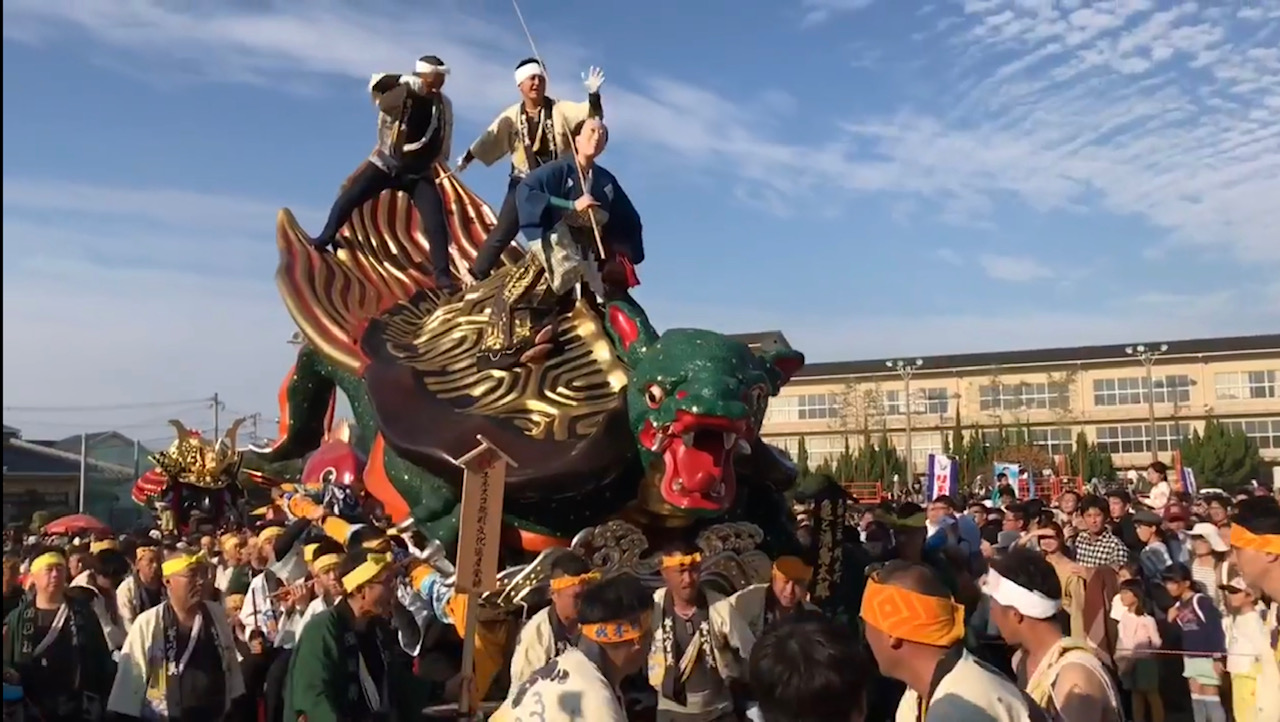
Our final stop in Kyushu before catching a flight back to Tokyo from Fukuoka Airport was the visually stunning Karatsu Kunchi Festival (see video link in the section above).
Northwest Coast of Japan (Kanazawa, Noto Peninsula & Sado Island)
See this video (Kanazawa Video) to get a glimpse of what you can see and accomplish on a 2 day trip to this region.

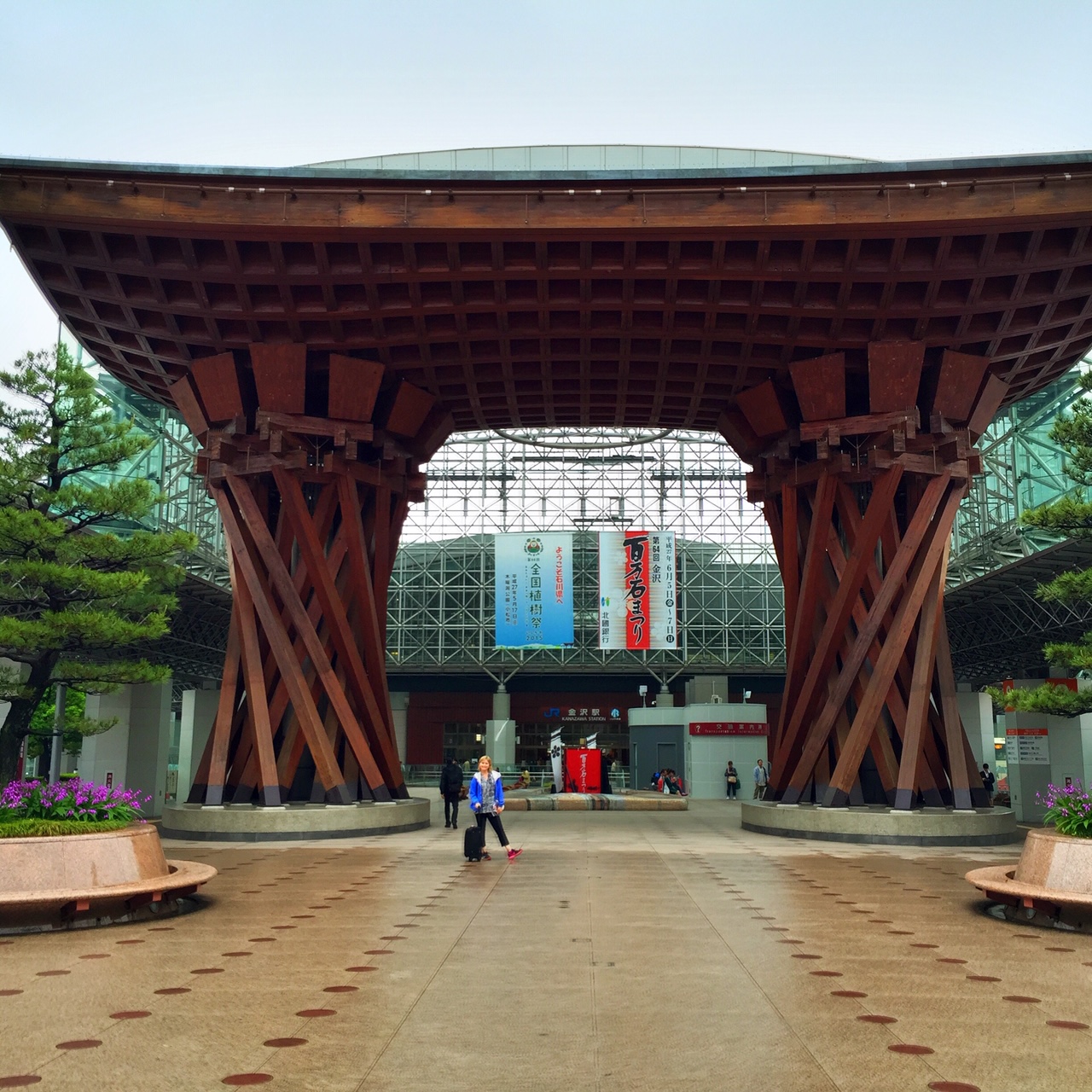
The recent extension of the Hokuriku Bullet Train line (March 2015) from Nagano all the way to the west coast has made it very easy to get from Tokyo to Kanazawa in about 2 ½ hours. This is a great overnight destination that is easy to slot into a weekend get away from Tokyo. Kanazawa is considered to be the best-preserved, major Edo-period city in the country (along with Takayama). The city is part of the UNESCO Creative Cities Network as a City of Crafts and Folk Art. Kanazawa cuisine is famous throughout Japan, particularly its seafood since it lies in the sweet spot of the hot south and cold north currents. It is also located at the southern end of the Noto Penisula, which is known for its rocky beaches and “Globally Important Agricultural Heritage System” designation. Not too far from Kanazawa is Japan’s sixth largest island, Sado Island, of the west coast of Japan near Niigata. Sado Island offers visitors a pleasant summer getaway with rocky coasts, green hills and quaint fishing ports. Our recommendations for this area of Japan:
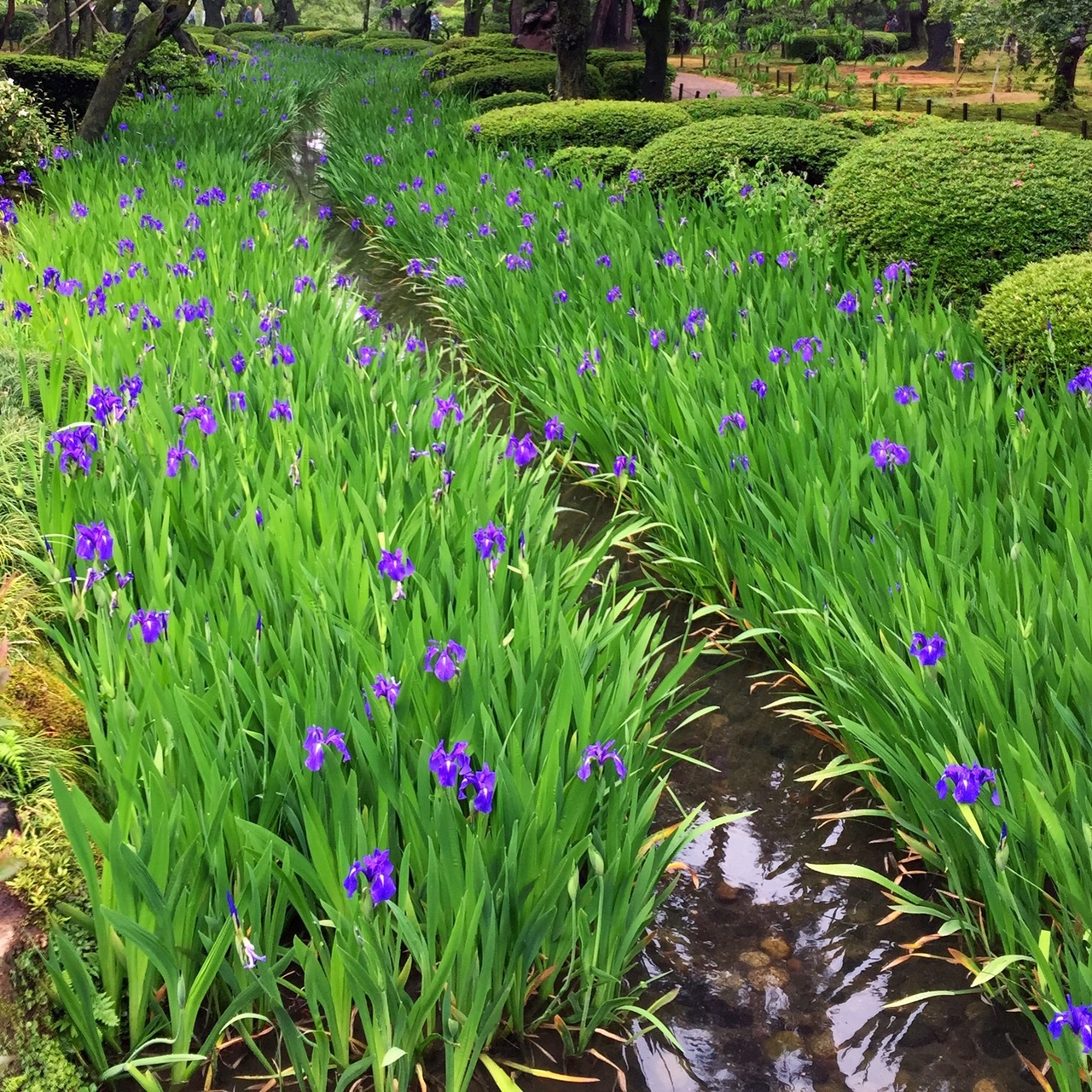
- In our humble opinion, Kenroku-en Garden is one of the most beautiful gardens in Japan. If you happen to be in the area in May, the Irises are amazing. It was originally the outer garden for Kanazawa Castle. If you visit on a busy weekend, try to go in the morning when it opens at 7am or go late in the day - both to enjoy the garden when the light is nicest and to avoid crowds.
Kenroku-en Garden in Kanazawa - The recently reconstructed Kanazawa Castle is a great example of large Japanese castles. Much of the castle was rebuilt recently using traditional Japanese construction techniques that don’t require nails.
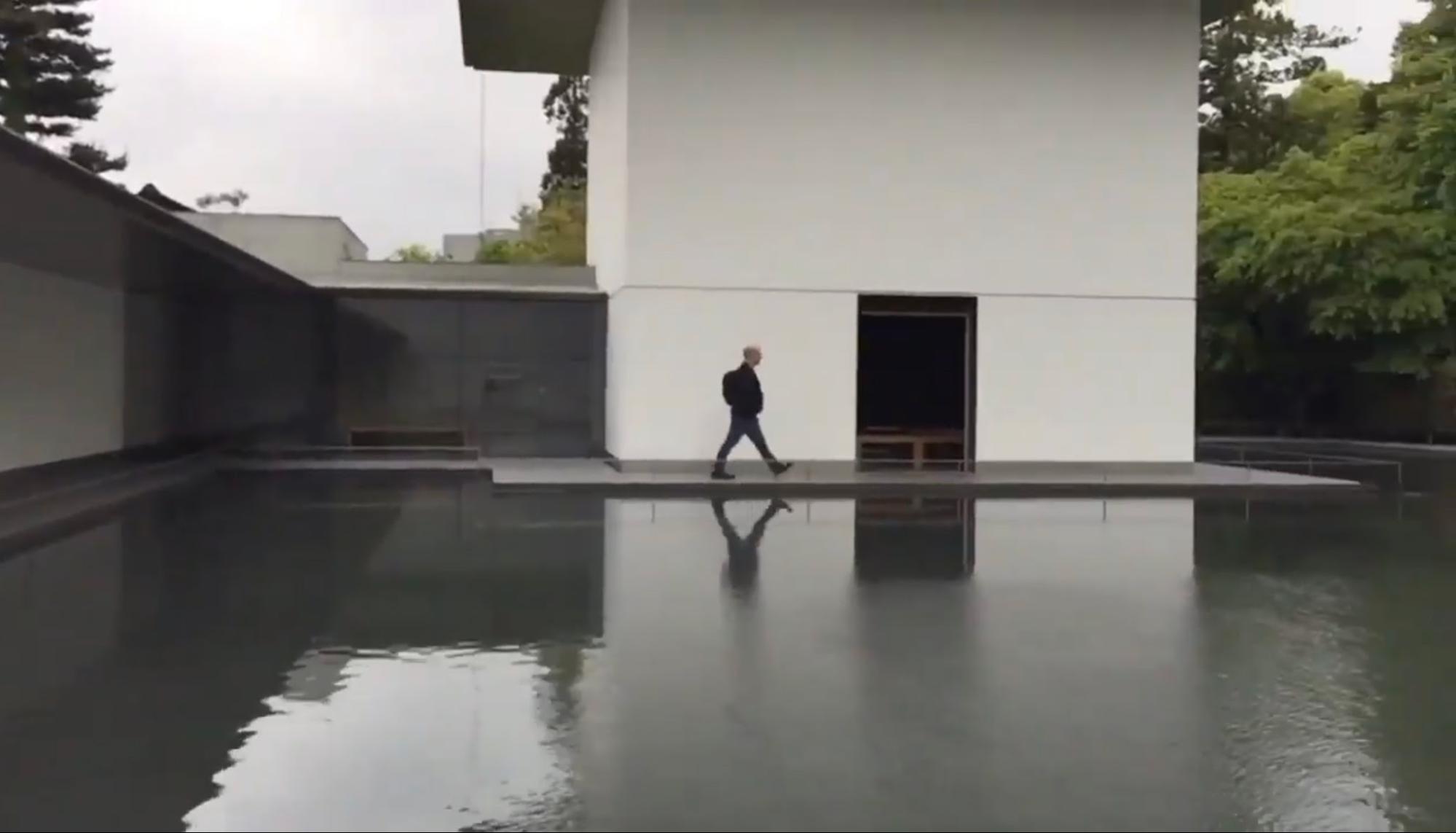
- The D.T. Suzuki Museum is a must see (short walking distance from Kanazawa Castle and the recommended 21st Century Museum of Contemporary Art). The museum commemorates the life and works of Suzuki Daisetz Teitaro, who is credited with introducing Zen Buddhism to the West. The outdoor contemplative water mirror garden will make you want to take up zazen meditation.
D.T. Suzuki Museum Contemplative Water Mirror Garden - It’s easy in Japan to rent a car for the day at very affordable rates and this is what we recommend for seeing the Noto Peninsula. You can pick up a rental car in Kanzawa at 10:00am, drive up the west coast of the Peninsula, return down on the east coast, and drop your car off by 6:00pm to catch a bullet train back to Tokyo. The drive is spectacular with rugged coasts, salt farms, rice terraces going down to the ocean, lovely hikes and lots of great views. We recommend stopping for a sushi lunch in Wajima City.
- For very nice and affordable accommodations we recommend Hotel Mystays Kanazawa - ask for a corner room. A bit more pricey, but worth it, is Kanazawa Hakuchoro Hotel Sanraku. This hot spring hotel is located right next to Kanazawa Castle and Kenrokuen and many of the sites you want to take in on a trip to Kanazawa. We had a lovely stay here. Walking distance from Hotel Sanraku is a highly recommended restaurant called Fuwari for great Japanese created Izakaya cuisine. It’s highly recommended on Trip Advisor so you won’t get in unless you make a reservation. Also not far from Hotel Sanraku is Higashi Chaya, an old preserved entertainment district that includes many traditional restaurants and shops. On a separate weekend trip to Noto Peninsula we stayed at two ryokans that we highly recommend: one on the east coast of the peninsula, Flatts By the Sea (great food, reasonably priced), and the other on the northern tip of the peninsula, Lamp No Yado (amazing location right on the water, natural hot springs, a bit pricey but worth the splurge). Here is a link to a video with content on the two ryokans and surrounding areas.
 Video: Noto Peninsula Coastal Drive & Onsen Ryokans Open on YouTube ↗
- Sado Island is accessible by ferry from Niigata City (best if coming from Tokyo) or Naoetsu port near Joetsumyoukyou (best if you are coming from Kanazawa). The ferry ride is 1 - 2 hours depending on what type of ferry you take. Due to its remote location, the island once served as a destination for political exiles. Prominent figures sent into exile to Sado were the former Emperor Juntoku, the Buddhist monk Nichiren and the founder of Noh, Zeami Motokiyo. Landscapes are incredibly diverse with stunning cliffs along the shoreline, beautiful forests, rice paddies, fishing villages and mountains. It’s best to rent a car to get around. We stayed at Hotel Oosado, a nice size hot spring hotel on the west coast of the island, which is also located near two of the major attractions on the island: Sado Gold Mine and the Sado Magistrate Office. The Sado gold mines were an important source of revenue for the Tokugawa Shogunate, and the reconstructed magistrate office provides a glimpse into the life of the ruling class and samurai who made sure the mine operations ran smoothly. If we did it again we would have spent one night at Hotel Oosado, and one night at Futatsugame View Hotel, which is located right above the beautiful Futatsugame Beach on the northside of the island. There are a lot of great hiking spots on the northside of the island including Ohnogame Rock. For a great view of the southern half of the island we recommend Oosado Skyline Drive. We highly recommend Seisuke Next Door for their set course dinner one night - it might be one of the nicest dining experiences we have had in Japan - anywhere.
Sado Island Coastal Cliffs & Hot Springs