Japanese Alps Overview & Shiga Kogen
Japan has some of the best (amazing powder) and reasonably priced (lift tickets ½ US rates) skiing in the world. The best thing is, you can show up at Tokyo station around 5:00 p.m. on a Friday, hop on a bullet train, arrive in Nagano and be at your hotel in one of the many resorts in the Japanese Alps (home of the 1998 winter Olympics) in about 2 ½ hours -- in time for dinner and a full weekend of skiing. There are numerous places to ski. Here is a good article on things you should know about skiing in Japan before making your first trip.
- One of our favorite ski resorts for a ski weekend near Tokyo is Shiga Kogen. Shiga Kogen is actually a collection of 21 ski areas in the high Shiga Plateau (northeast of Nagano City) that are all interconnected. We stayed at the affordable Shiga Kogen Prince Hotel (West Building). The 3 Prince Hotel buildings were built for the 1988 Nagano Olympics and are a little dated in layout, facilities and decor but are among the higher end accommodations here. The East Building is the nicest of the three, but the West building is in the most central location for accessing the various ski areas around it. Harder to get a reservation, but you might also want to check out the Hotel Grand Phenix in Okushiga (at the very end of the resort road). It is highly recommended with great restaurants and beautiful onsen overlooking the slopes and the valley. Shiga Kogen is located close to the Snow Monkey Park highlighted earlier in case you want to ski and check out the snow monkeys on the same trip to Nagano.
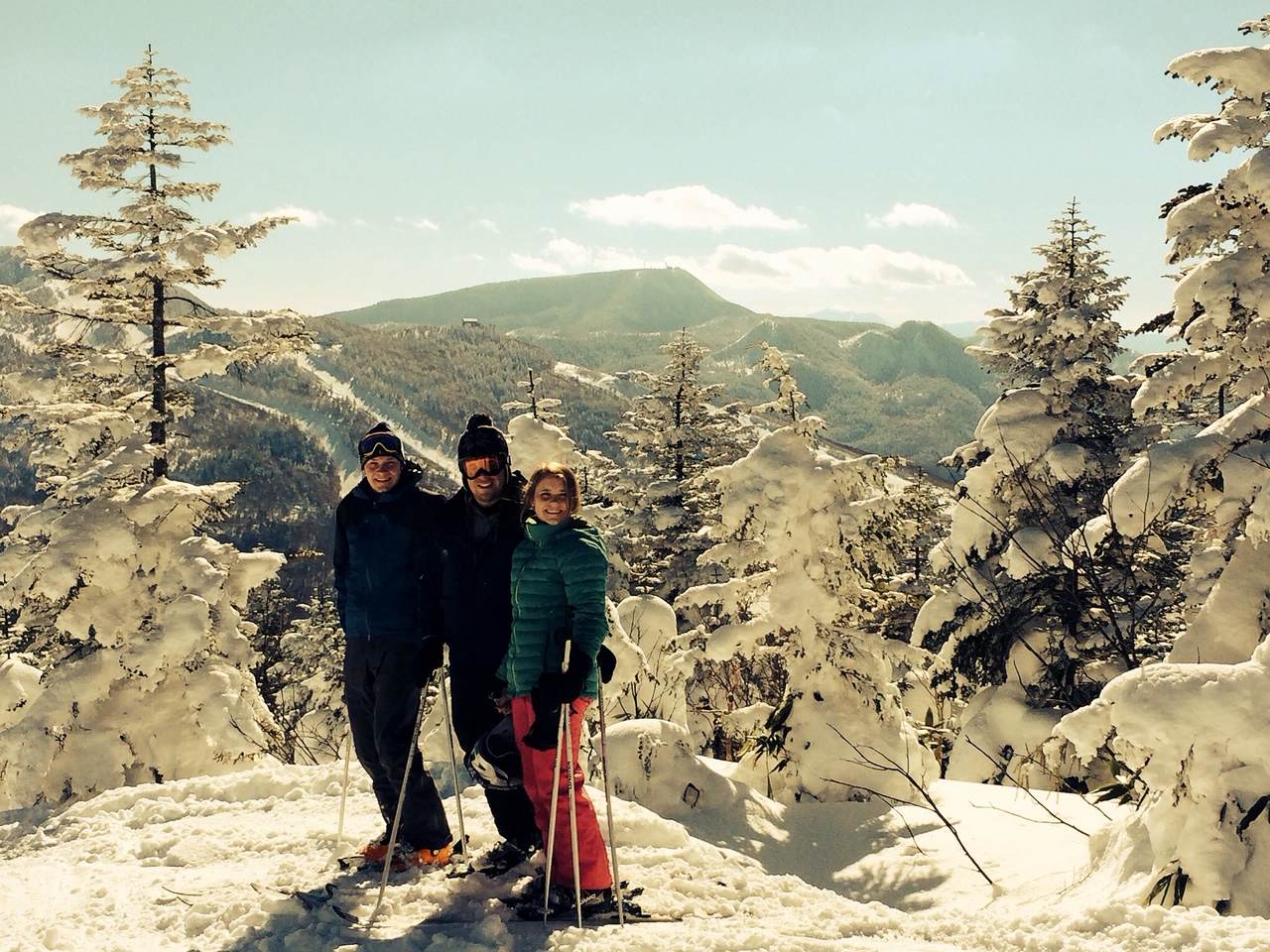
Shiga Kogen High-Elevation Ski Slopes - Here are a couple of videos that give you a flavor for the Shiga Kogen ski scene: Shiga Kogen Video, Shiga Kogen Video 2, Shiga Kogen Powder Video.
 Video: Shiga Kogen Ski Resort — High-Elevation Nagano Powder Open on YouTube ↗
 Video: Shiga Kogen Ski Terrain & Interconnected Mountains (Part 2) Open on YouTube ↗
 Video: Shiga Kogen Deep Powder Day Open on YouTube ↗
Nozawa Onsen, Hakuba, Zao Onsen & Appi Kogen
- Nozawa Onsen: Just a short distance as the crow flies from Shiga Kogen but an hour car ride around a mountain is Nozawa Onsen Ski Resort, a large ski resort that was originally a town before becoming a popular ski resort destination. Built around 1,650 meter Mt. Kenashi, the resort includes a 3,515 meter gondola and a town with numerous public (very hot) and private hot springs. We highly recommend Sparina, a private hot spring that includes a large outdoor onsen that can be enjoyed by everyone (bring a bathing suit or rent one). The ski resort has excellent expert and beginner terrain but has limited intermediate runs, and can be reached from Tokyo station in 2 ½ hours (2 hours on the bullet train + 20-30 minute taxi or bus ride). See Nozawa Onsen Video to get a flavor of the resort.
Nozawa Onsen Ski Resort & Gondola 
Nozawa Onsen Hot Spring Village  Video: Nozawa Onsen Ski Resort & Hot Spring Village Open on YouTube ↗
- Hakuba: Another popular ski resort in Nagano is Hakuba, where many of the 1998 Olympic Alpine events took place. Hakuba has more challenging ski terrain than Shiga Kogen. We have stayed at and recommend La Neige Higashikan (a bit pricey but one of the nicest lodging options near Happo One ski area). Before going to Hakuba you might want to confirm that everything is running as planned after the November 23, 2014 earthquake (6.7 magnitude) that hit this area the hardest. Here is a video to give you a sense of the ski terrain at Hakuba Video.
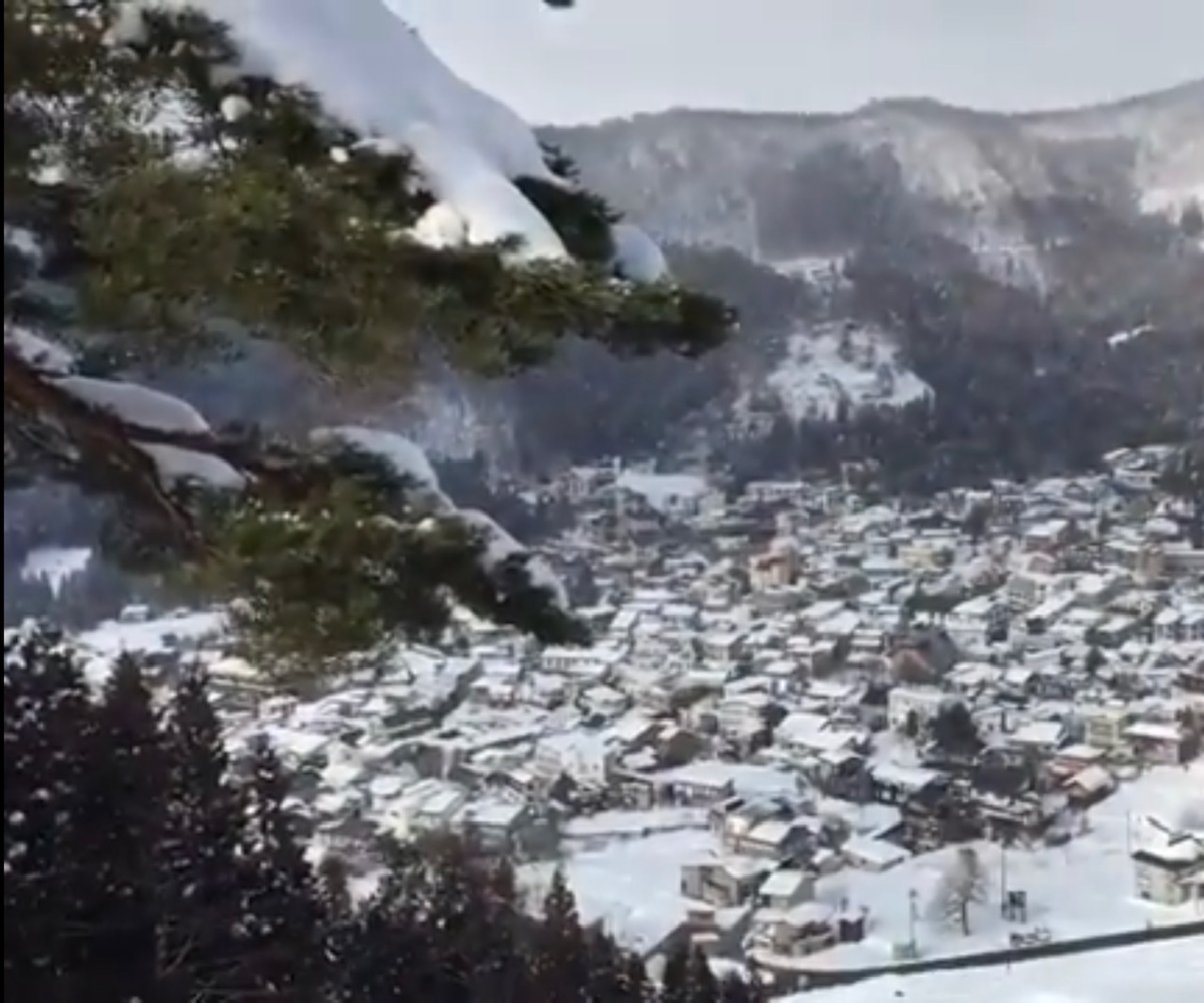
Hakuba Valley Alpine Terrain  Video: Hakuba Valley 1998 Olympic Ski Terrain Open on YouTube ↗
- Zao Onsen: Located in Yamagata 2 ½ hours north of Tokyo, is a bit dated as far as Japan ski resorts go but has lots of varied ski terrain. It’s most famous for its hot springs that are believed to give those who bathe in the them beautiful skin, and for the famous Snow Monsters of Mt. Zao, which are trees so covered in snow and ice they begin to look like surreal snow sculptures of monsters. The snow monsters are a rare natural phenomenon made possible by the alignment of very specific climate and geographic conditions. Zao Onsen Ski video.
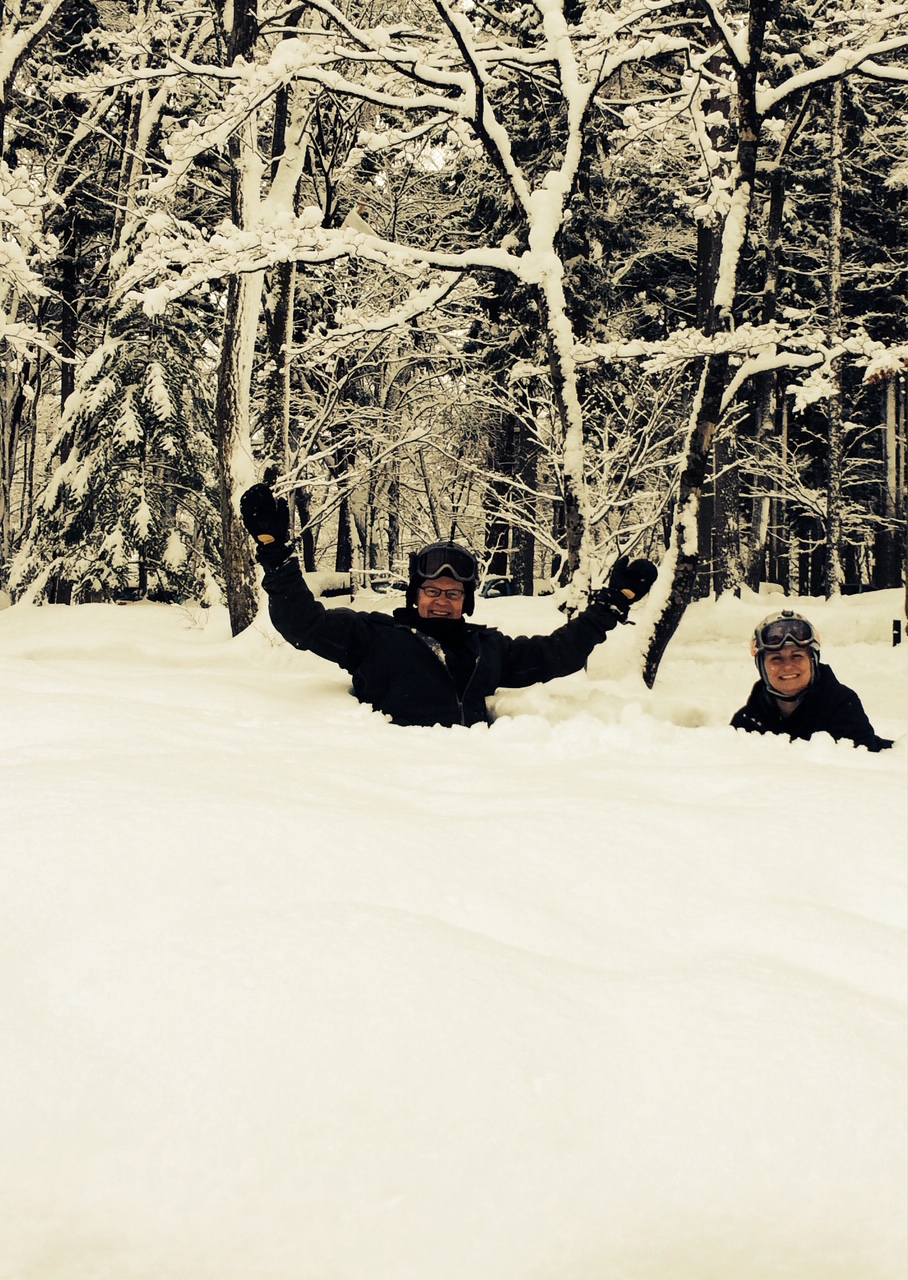
Zao Onsen Snow Monsters  Video: Zao Onsen Skiing & Famous 'Snow Monsters' Open on YouTube ↗
- Appi Kogen: Further north from Tokyo about 4 hours by train is another popular resort called Appi Kogen in Iwate Prefecture. It’s a popular family resort. What it lacks in challenging terrain it makes up for by having snow that can be as light as the famous powder at Niseko on the island of Hokkaido. We have stayed at the Appi Grand Hotel, which is right on the slopes. We recommend the Korean barbeque and the French restaurants here and be sure to make your dinner reservations in advance of your arrival, as dining options are limited and these are the two nicest places). Here is a video to give you a sense of the ski terrain (Appi Kogen video).
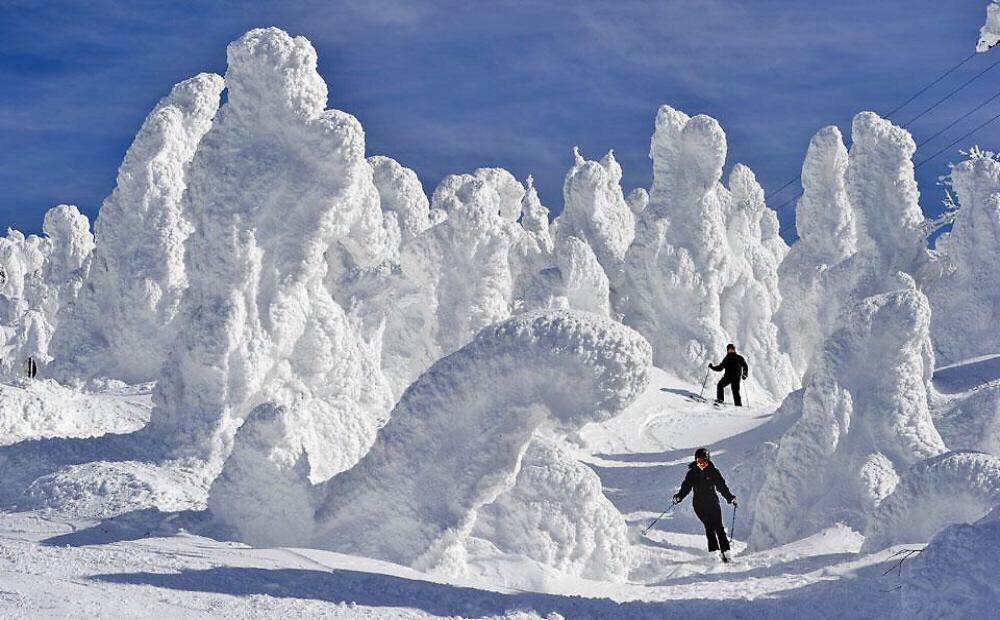
Appi Kogen Resort & Slopeside Hotel 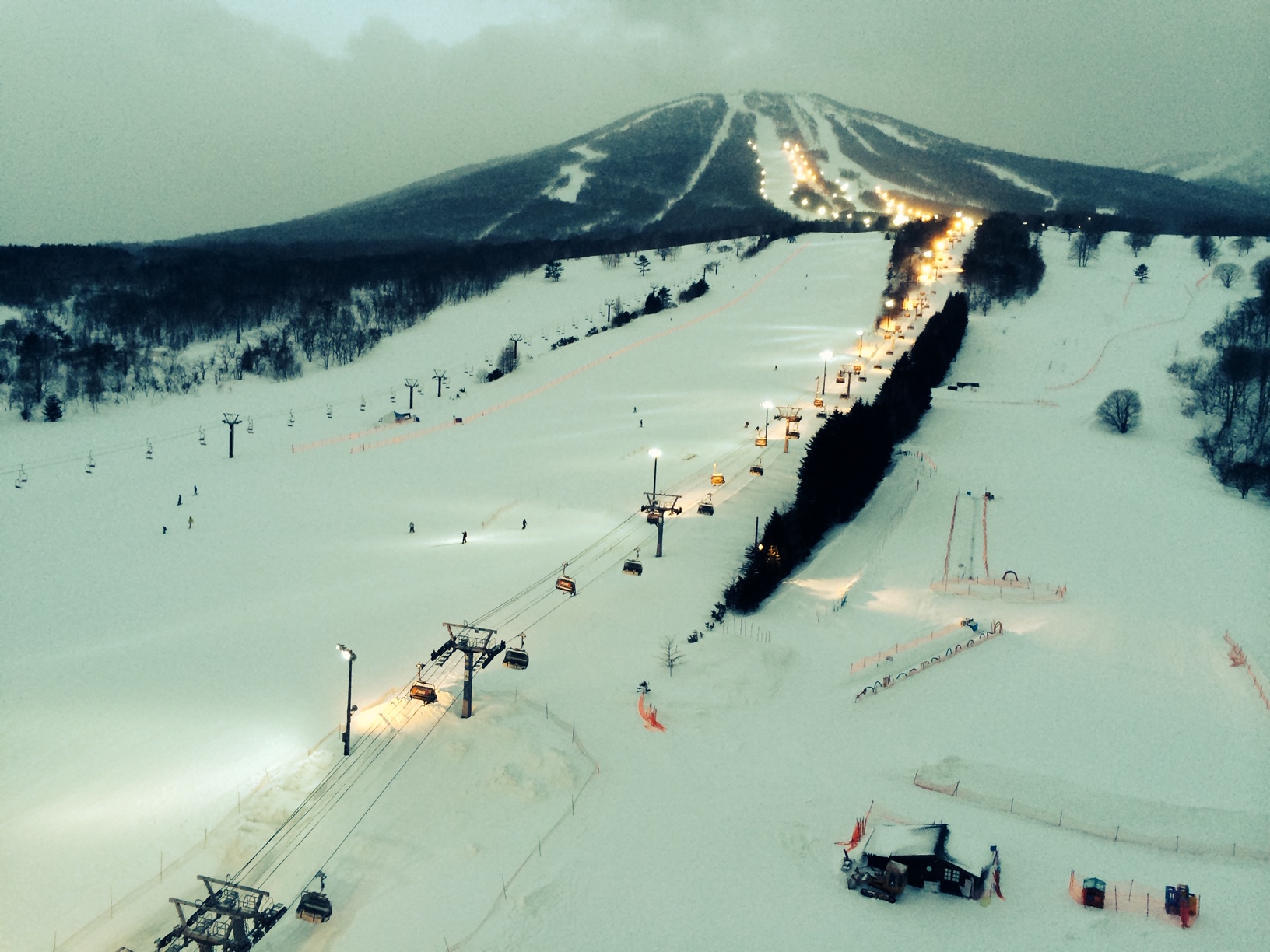
Appi Kogen Light Powder Runs  Video: Appi Kogen Ski Resort in Iwate Prefecture Open on YouTube ↗
Echigo Yuzawa, Myoko Kogen & Lotte Arai (Niigata)
- Closer to Tokyo are ski resorts that are accessible from Echigo Yuzawa Station in Niigata prefecture, including Ishiuchi Maruyama Ski Resort, which we enjoyed recently in late January (video here).
 Video: Ishiuchi Maruyama Ski Resort (70 Min from Tokyo via Shinkansen) Open on YouTube ↗
- The Echigo Yuzawa Shinkansen station is only 70 minutes from Tokyo, and you have access to several popular ski resorts from the station. We had a pleasant stay at Maruyama Onsen Kojyokan Hotel, about a 10 minute walk from the base of Ishiuchi. Very friendly staff and reasonably priced at ~Yen 30,000 per night for two including breakfast and dinner at the hotel. The hotel picks you up and takes you back to Echigo Yuzawa Station and there is a shuttle to the local resorts for skiing.
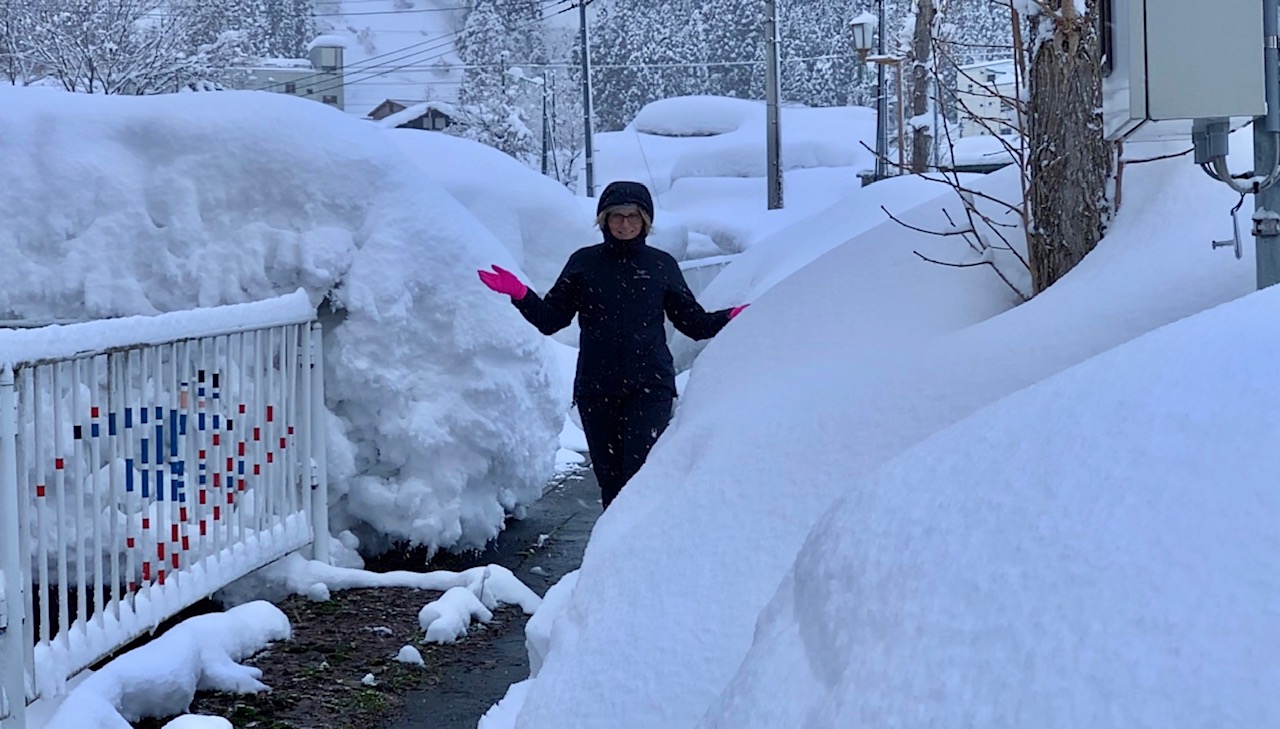
Echigo Yuzawa & Ishiuchi Maruyama Ski Resort - We decided to make 2019 the year of exploring only ski areas in Japan we had not been to before and over the 3-day weekend which fell on the second weekend in February, we had finessed some last-minute hotel reservations at two resorts in the Myoko Kogen region of Niigata Prefecture.
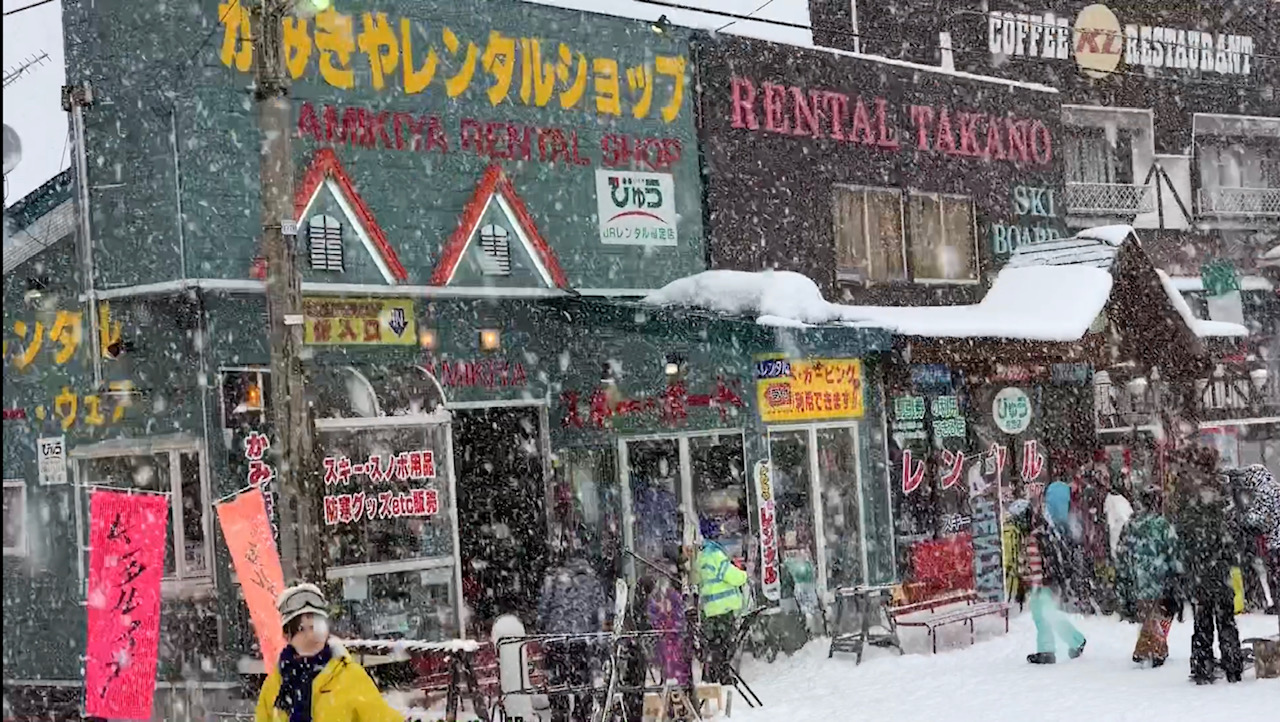
Myoko Kogen Deep Snowpack - We picked Myoko Kogen because (according to the Snow Japan website) some of the resorts there had the highest accumulation of snow in Japan at that point in the season -- a 430 centimeter base at Seki Onsen as of February 8. All the ski resorts in the area are within 30 minute taxi rides of each other, which makes it easy to rotate through different ski areas each day.
- A friend had recommended Akakura Kanko Hotel, an elegant hotel built in 1937 and recently remodeled and added on to (English Info). The hotel is located halfway up the ski slopes of Akakura Kanko Ski Resort.
- Our first day at Myoko (which was in early February), we spent the morning skiing at Suginohara Ski Area, which is most famous for its claim of having the longest ski trail in Japan (8.5km/5.3 miles). Here is a one shot video of the entire top to bottom run. Suginohara has a very nice gondola and some decent lifts. Unfortunately, even though we got there early and were at the top by 9, and there had been a lot of new snow the night before, that long trail was already icy and skied off when we did it, so it wasn’t very satisfying. The snow on the other parts of the mountain was nice, but not amazing and we wondered if it might be a micro-climate of that particular area. If you enjoy skiing trees, check out the far right side (skier’s right) of the mountain behind the terrain park for a long tree run. Video here of tree run and the Suginohara ski area.
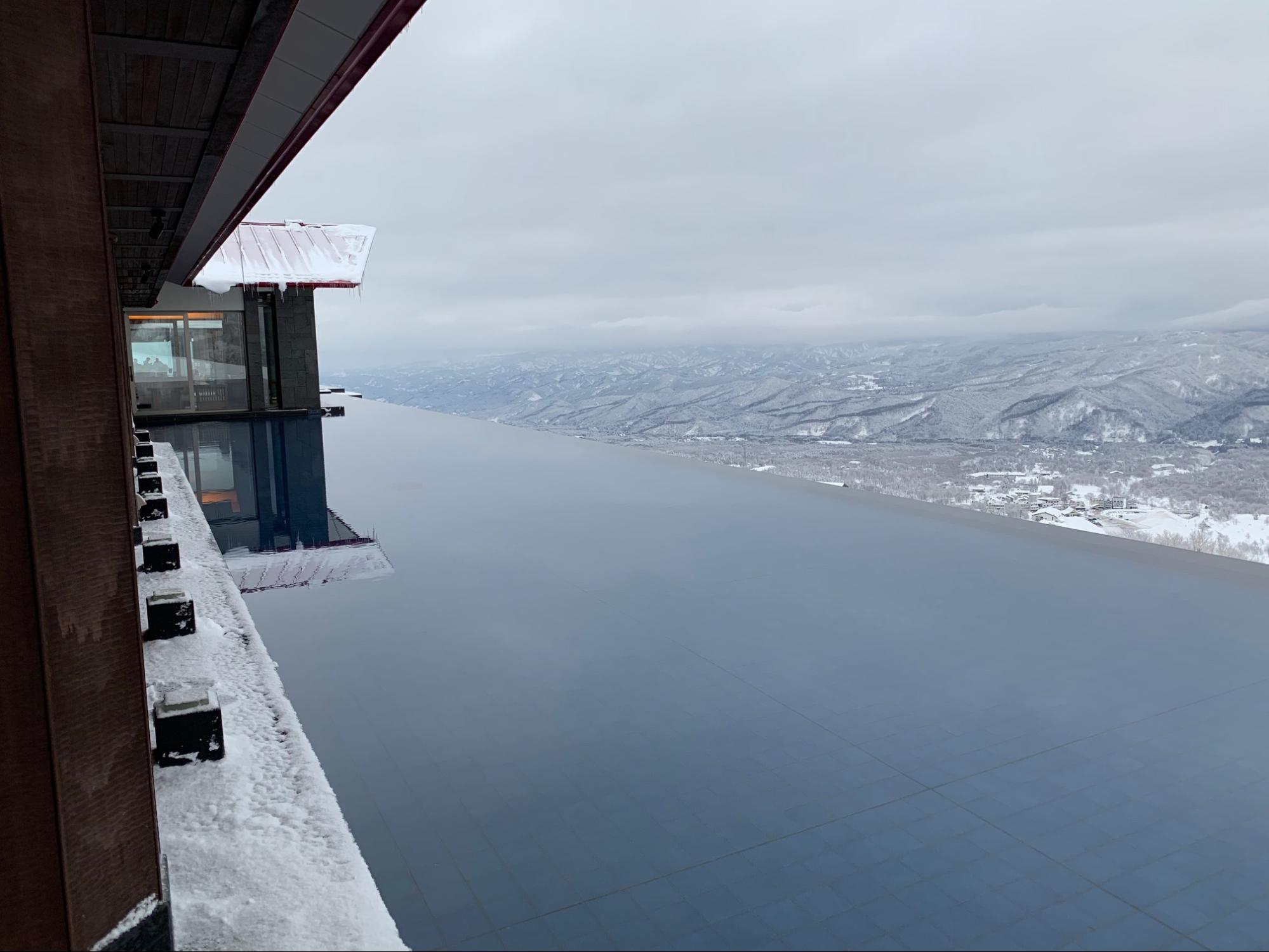
Myoko Suginohara 8.5km Long Run 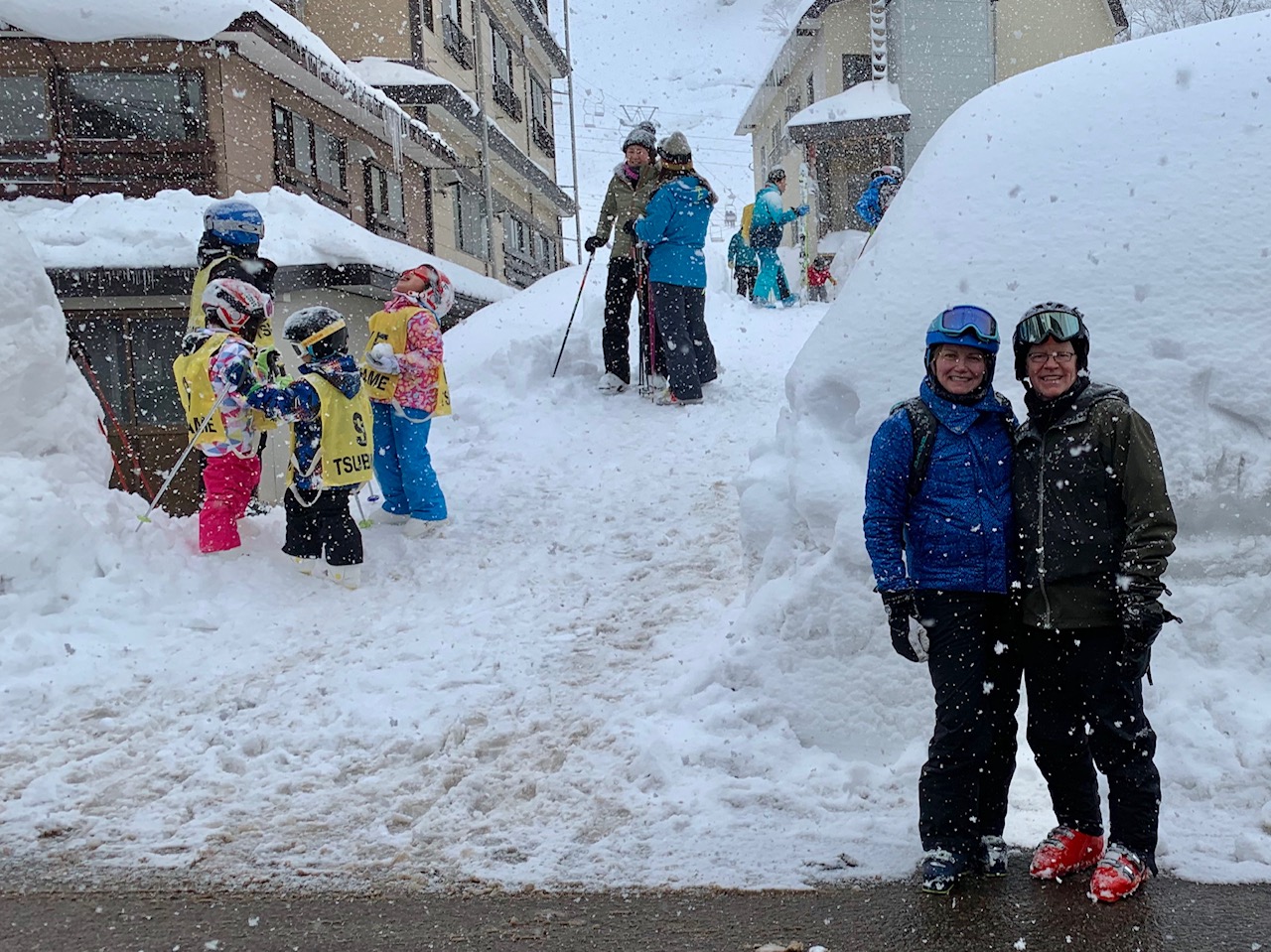
Myoko Suginohara Tree Skiing  Video: Myoko Suginohara — One-Shot Video of Japan's Longest 8.5km Ski Run Open on YouTube ↗
 Video: Myoko Suginohara Tree Skiing Run Open on YouTube ↗
- We were done with Suginohara by 12:00 and decided to take a 25 minute taxi ride to spend the afternoon at Seki Onsen Ski Area. If you want to check out what skiing was like in Japan a few decades ago, go to this family run ski resort. What it lacks in infrastructure (only has two older lifts), it more than makes up for in atmosphere, and great on mountain dining. It looks like there is also great access to back country options but you need to know what you’re doing (guide recommended). A short video of the Seki Onsen ski experience here. The second day we skied right from our lodging at the Akakura Kanko Hotel. This resort has a nice balance of intermediate groomed runs and a bit more challenging ungroomed runs (and free ski areas) at the top part of the mountain. We got lucky and had a deep powder day (video of powder ski day and Akakura Kanko Hotel here). The Akakura Kanko Ski area is adjacent and connected to Akakura Onsen Ski Area, which we didn’t have time to explore.
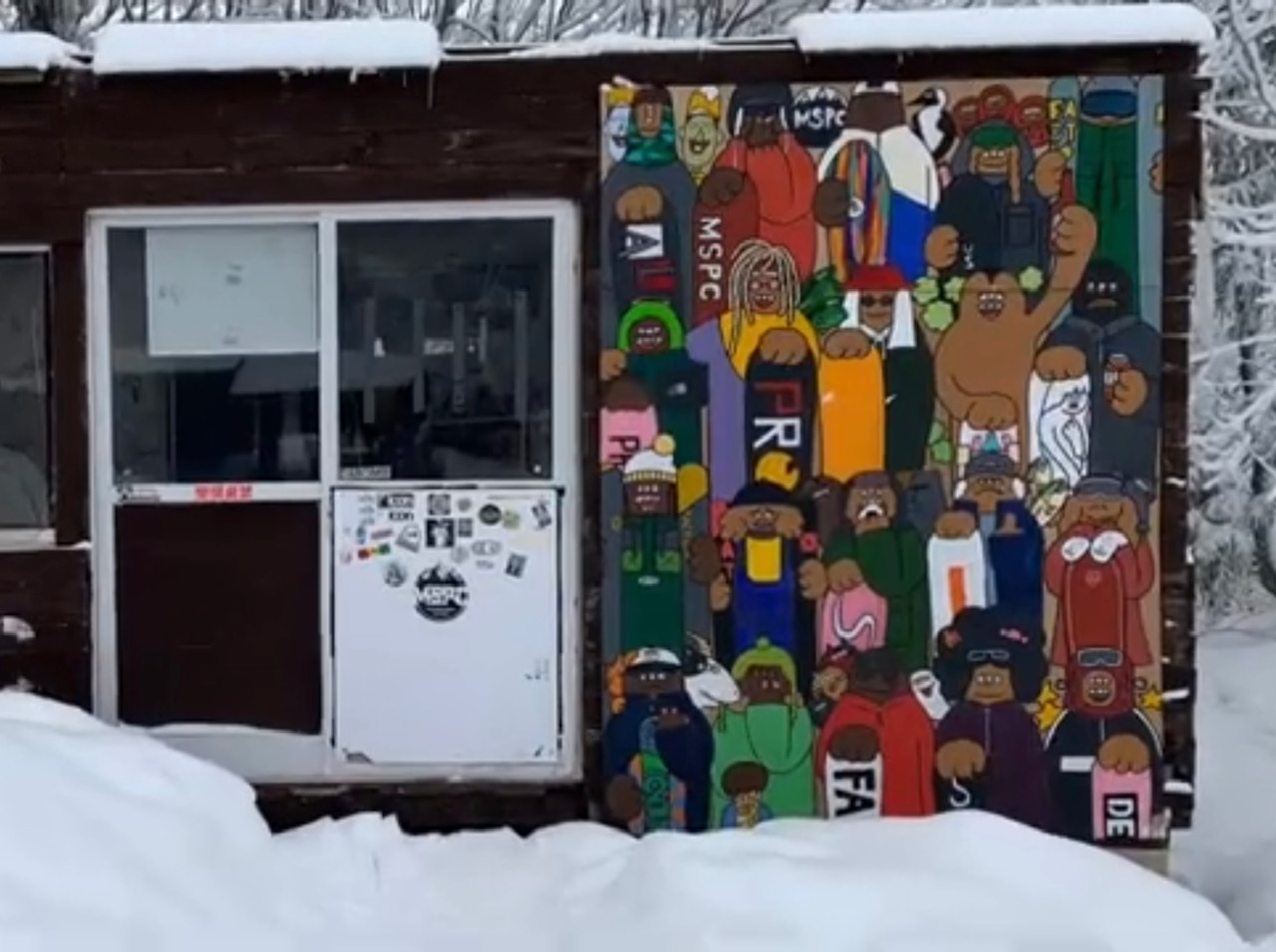
Seki Onsen & Akakura Kanko Hotel  Video: Seki Onsen — Classic Family-Run Deep-Powder Ski Hill Open on YouTube ↗
 Video: Akakura Kanko Hotel & Deep Powder Day in Myoko Kogen Open on YouTube ↗
- The biggest pleasant surprise of our long ski weekend in the Myoko Kogen region was the Lotte Arai Ski Resort. The Arai ski area was closed for 15+ years and just reopened a couple of years ago under the management of the Korean Lotte Hotel Group. Lotte has built a first class hotel at the base of the ski slopes, and has installed new ski lift infrastructure to make the ski experience here closer to what one expects at US West Coast ski resorts. We think it has some of the best off piste free ski zones in Japan that are accessible with short hikes off the top of the mountain or quick detours off the main trails. Arai also has the longest Zip Line run in Asia, which you can enjoy during the ski season too. The resort is close to the Japan Sea, which you can see from the top of the mountain. While being close to the ocean causes the snow to be slightly heavier, there is a lot of it. Here is a video of hiking for powder and the zipline at Arai.
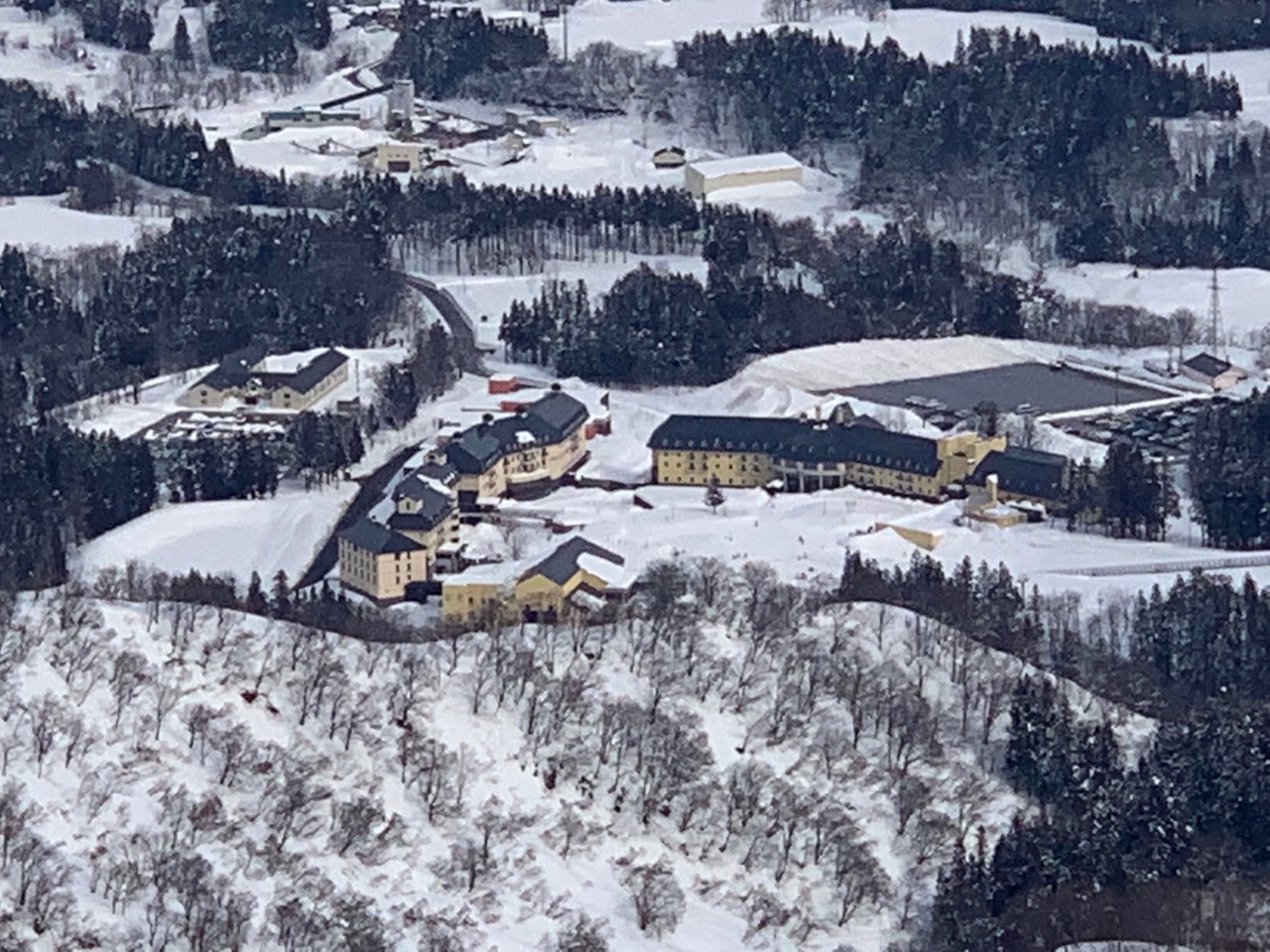
Lotte Arai Off-Piste Powder & Zipline 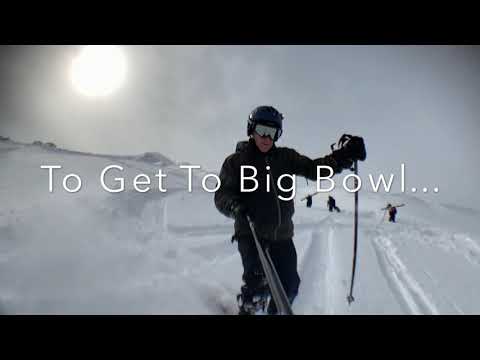 Video: Lotte Arai Resort — Hiking for Off-Piste Powder & Asia's Longest Zipline Open on YouTube ↗
Geto Kogen, Hakkoda & Minakami (Tenjin, Hodaigi & Takaragawa)
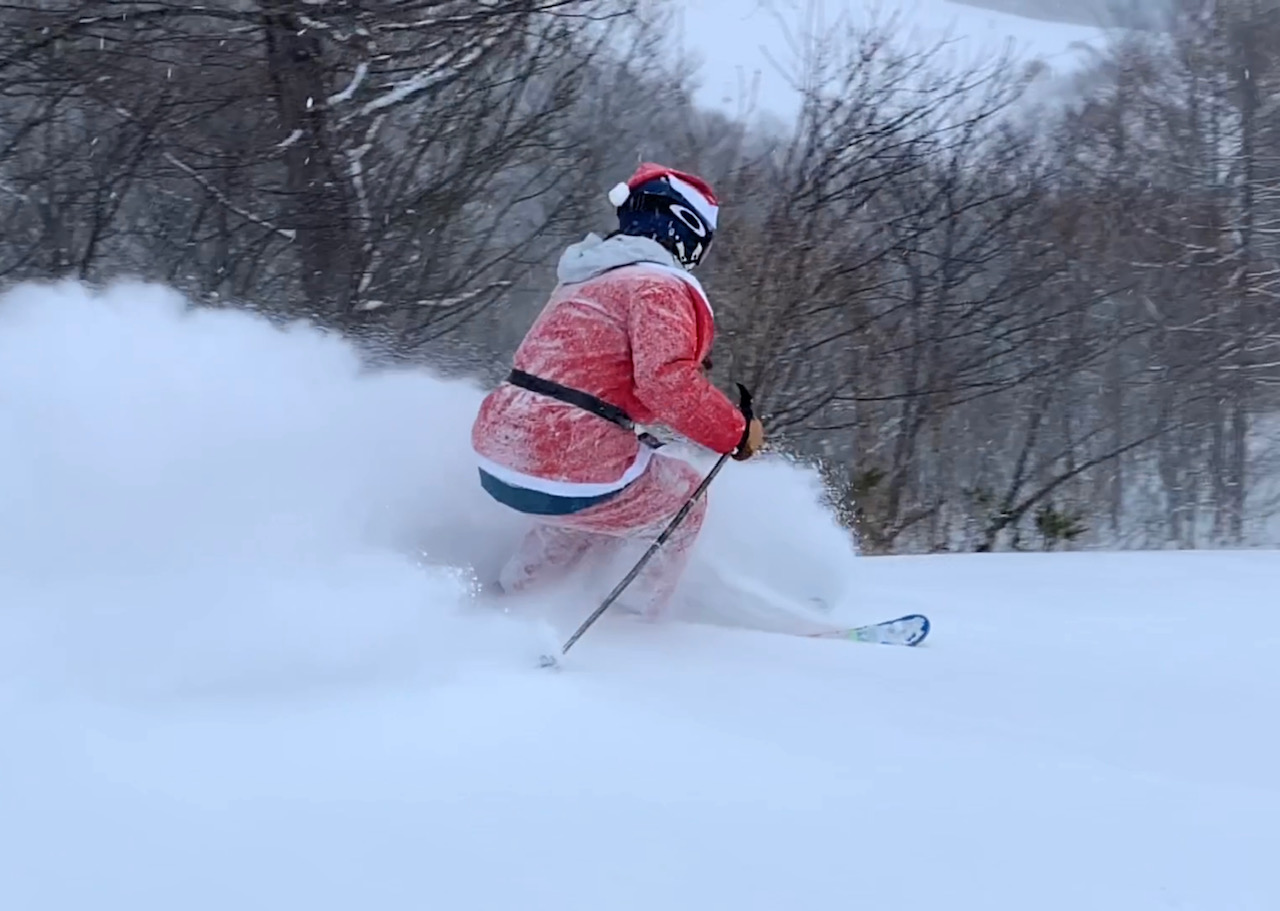
- Geto Kogen (Early-Season Snow Magnet): Geto Kogen is the place to go for early season skiing in Japan (i.e. Christmas ski vacation when it can be hit or miss on snow conditions) due to its reputation for getting lots of snow (15 meters/year), and often earlier than other resorts in Japan. We have had to cancel Christmas ski trips to other Japan resorts and rebook at Geto Kogen to ensure enough snow for early season skiing. Here is a video of the powder we found at Geto Kogen on Christmas 2019 when most other resorts in Japan were not fully opened yet. The resort is located in a narrow section of mountains in Iwate Prefecture in northern Honshu (Tohoku region) that captures precipitation coming across the island ensuring huge amounts of snowfall in a concentrated area every winter. The bowl-shaped resort also catches windblown snow from nearby peaks...all of which creates scenarios where it has significantly more snow than other Japan resorts in the early season. The resort is a bit off the beaten path meaning you can expect fewer foreigners (and less English spoken), and fewer skiers competing for the daily fresh powder runs. Geto Kogen has great tree runs, which helps make the small size relative to other resorts appropriate for a multi-day visit. Accommodations are limited at the resort but there are AirB&B options in the area. The resort at the mountain is known for relatively nice dormitory style sleeping and eating arrangements, but we enjoyed our stay in the new slopeside premium rooms that just opened for the 2020 ski season. The only dining option if you stay here is a Japanese homestyle breakfast and dinner buffet -- a fun experience. We loved the Ramen served in the lunch food court. During our stay we also appreciated the resort’s spacious indoor and outdoor hot springs (one of the best we have experienced at a Japanese ski resort). Video of Geto Kogen ski resort experience here.
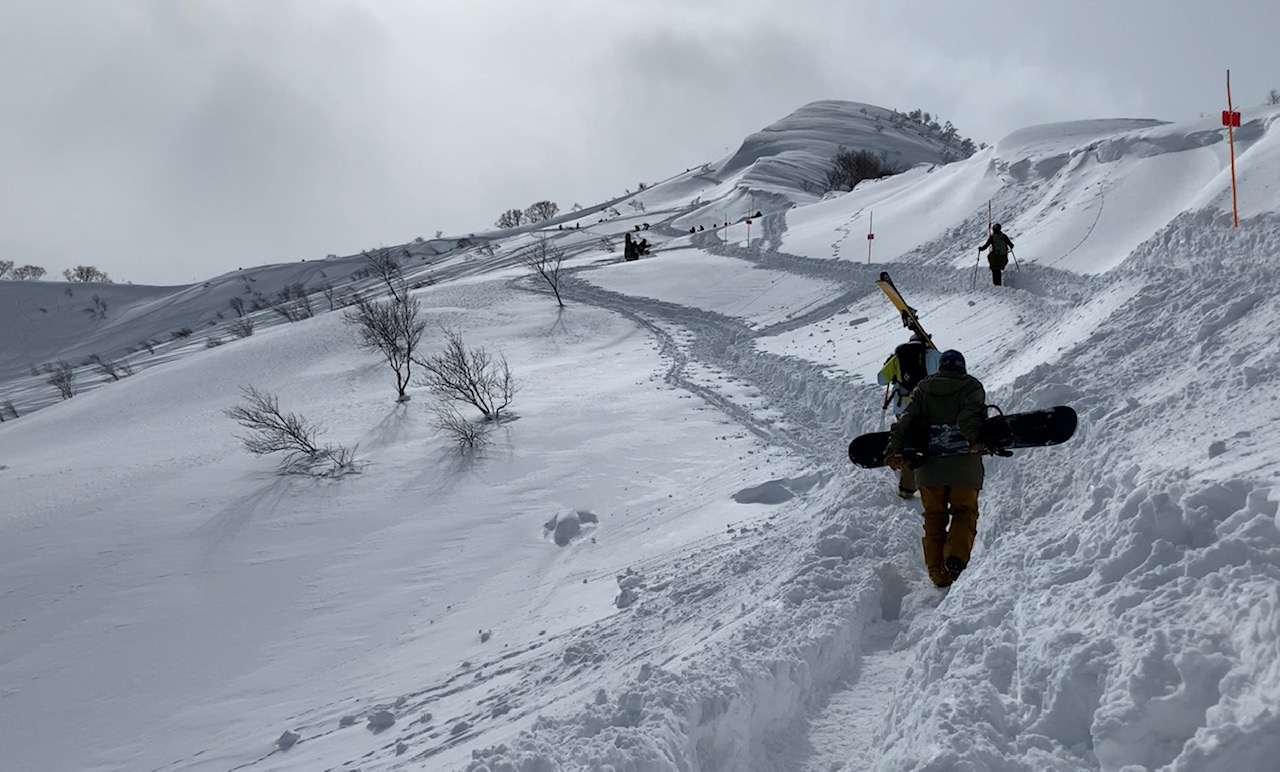
Geto Kogen Early-Season Snow Bowl 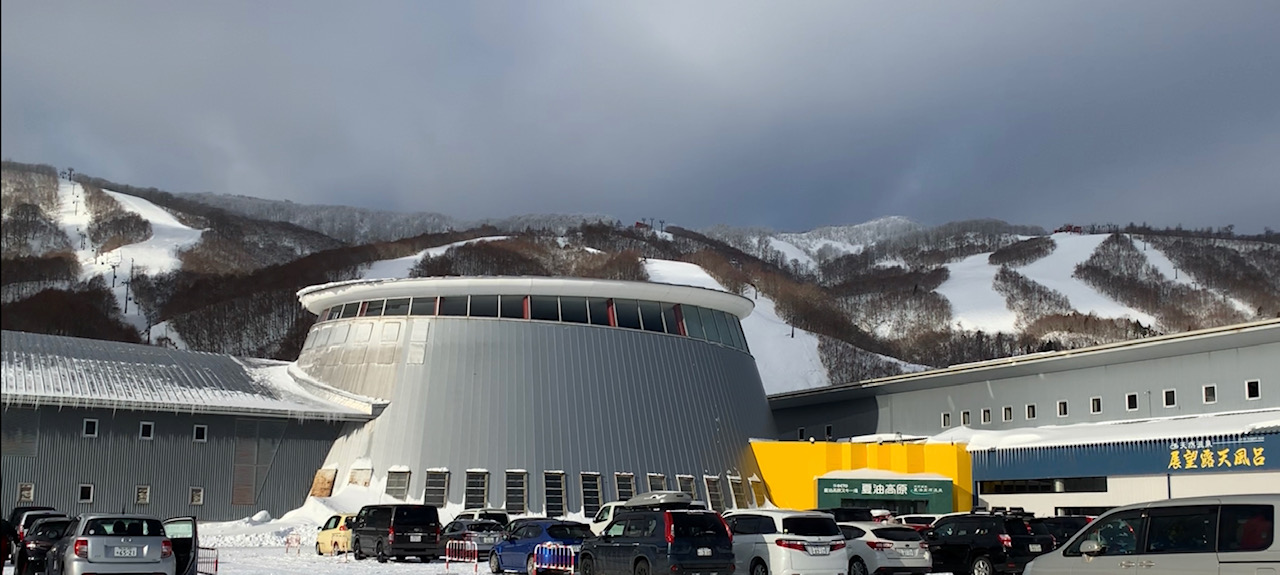
Geto Kogen Christmas Powder 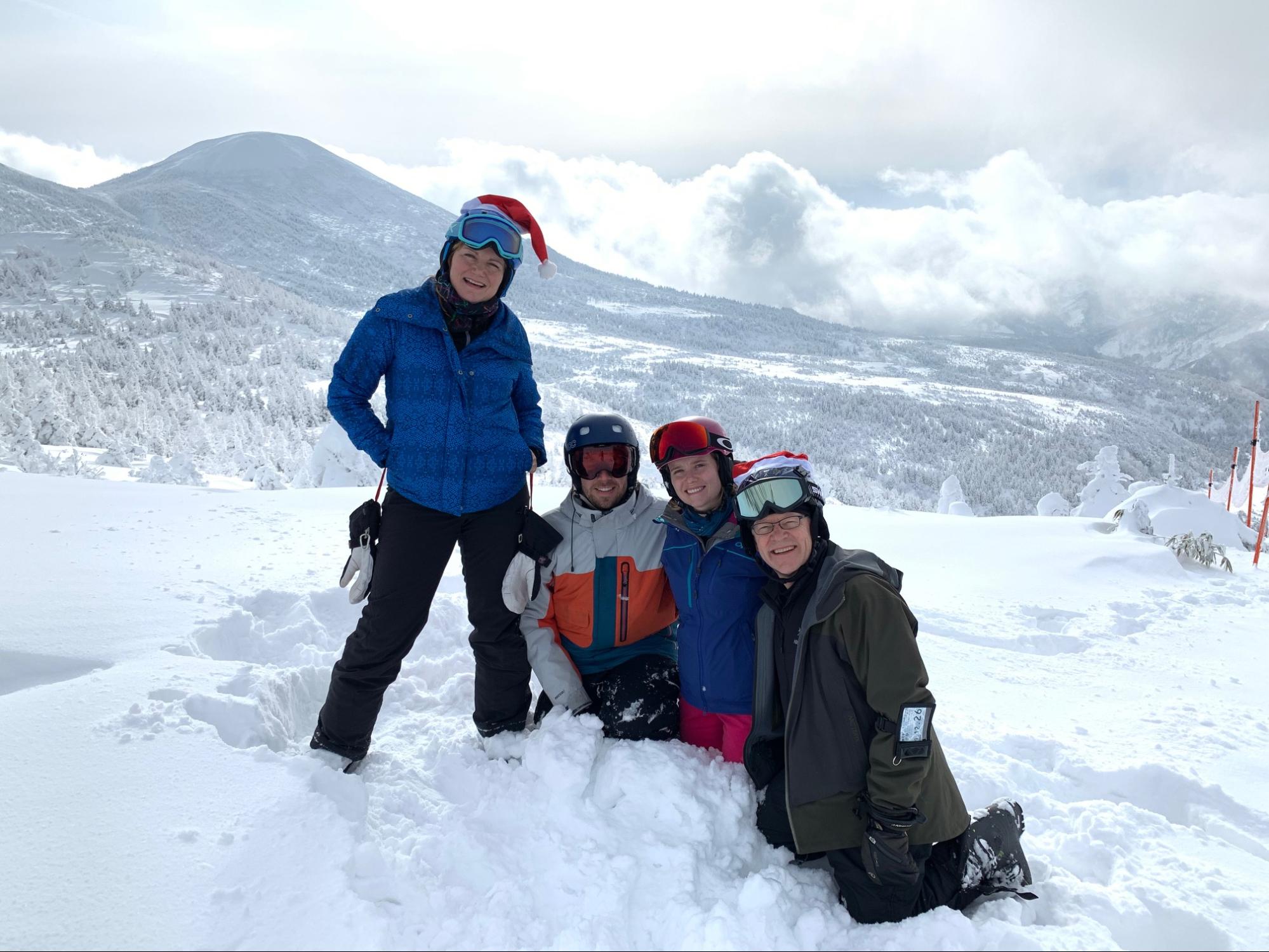
Geto Kogen Slopeside Onsen  Video: Geto Kogen Christmas Powder Skiing (Early Season Snow Magnet) Open on YouTube ↗
 Video: Geto Kogen Resort, Tree Runs & Slopeside Onsen Open on YouTube ↗
- Hakkoda Ski Resort (Aomori): Another northern Tohoku region resort we recommend is Hakkoda Ski Resort in Aomori at the northern tip of Honshu. The resort averages 15+ metres of snow each year and has runs as long as 7km. Hakkoda, like Zao, is also known for its “snow monsters”. The Snow Monsters are produced when water droplets carried by strong seasonal winds clash with the evergreens and freeze in place to create unique shapes. Most of the longer runs are accessed from the resorts one ropeway tram. There is also a double chair that provides access to a few intermediate and beginner runs. A ski vacation at Hokkoda only makes sense if you want to dabble in a little back country/off piste skiing, which is what the resort is best known for. There are lots of options for doing this but all options are best with a guide. You can hire a guide for the day to take you on backcountry runs accessed from the top of the Ropeway. We visited in the early season before runs off the top of the Ropeway were open and used a guide service at the base of the mountain to skin/snowshoe up the mountain. Here is a video of our backcountry ski experience at Hakkoda Mountain in the middle of a snow storm. While the skiing is good, what also makes the trip this far north from Tokyo worth your while is the opportunity to stay at Hakkoda Hotel, a western style lodge which is located a short 8 minutes drive from the ski resort (transportation from the hotel provided). The hotel has comfortable rooms, a nice onsen, and serves either western or Japanese style meals in an elegant dining room. The staff or super friendly. If you travel up to Aomori by bullet train we recommend you stop by the Furukawa Fish Market in Aomori if your schedule allows. They have a unique system where you purchase a bowl of rice and tickets, and then walk around the fish market to select the fish you want to include your seafood “donburi” bowl. It’s located a short block away from where you can catch the free Hakkoda Hotel shuttle bus. The fish market management will watch your skis and bags while you shop and eat. Here is a video of the Hakkoda ski experience, including the fish market stop in Aomori on the way to the resort and Hakkoda Hotel.
Hakkoda Ropeway & Snow Monsters in Aomori 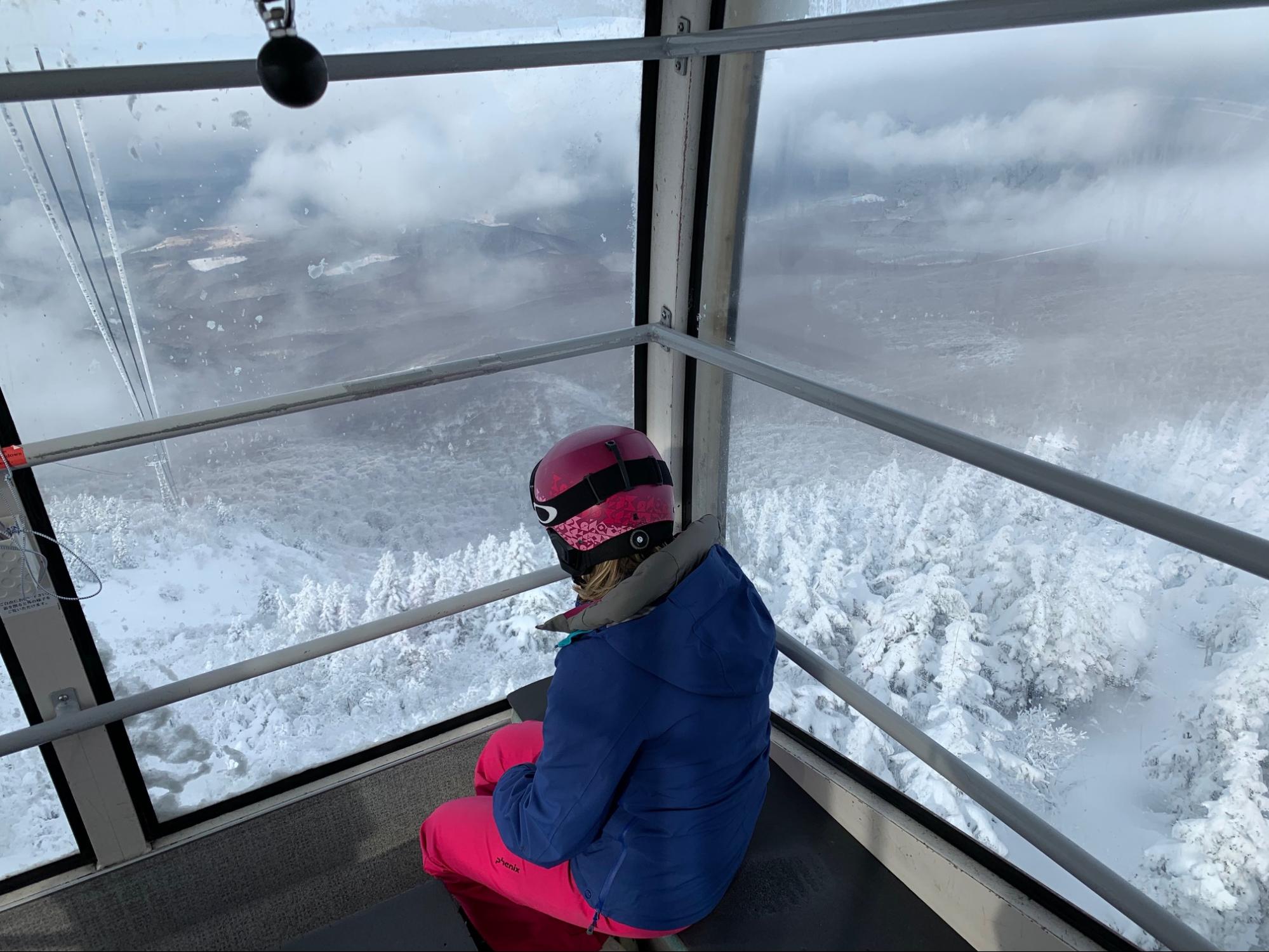
Hakkoda Backcountry Powder Touring 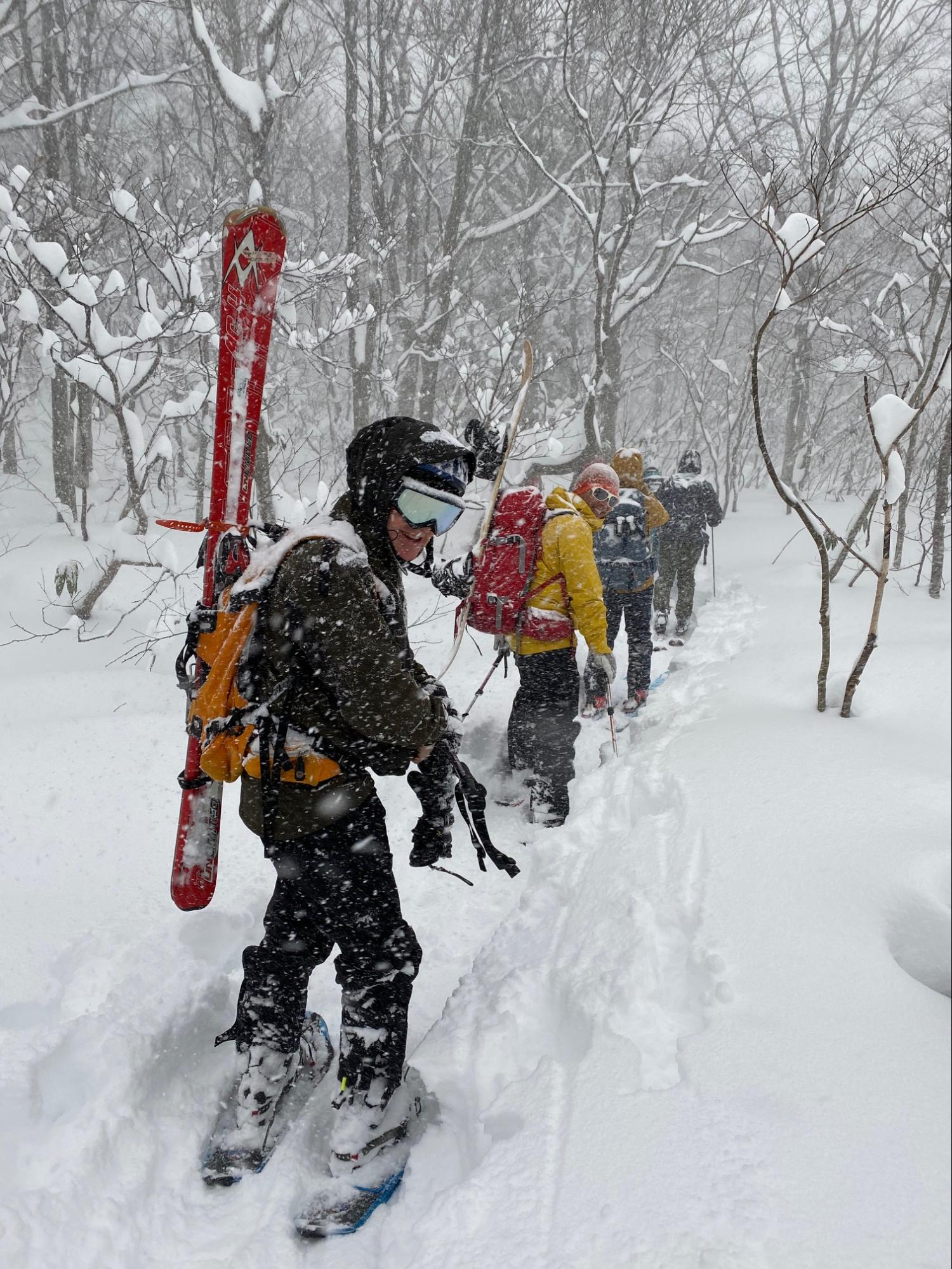
Hakkoda Hotel Mountain Lodge  Video: Hakkoda Mountain Backcountry Skiing in a Snowstorm Open on YouTube ↗
 Video: Hakkoda Ski Trip, Hakkoda Hotel & Aomori Furukawa Fish Market Open on YouTube ↗
- Minakami Region (Gunma — 1 Hour from Tokyo): One of the closest large mountain places to ski from Tokyo is the Minakami region in Gunma. Jomo Kogen Station is only about one hour from Tokyo Station on the bullet train. The area is dominated by Mount Tanigawa. We had a great ski weekend here with ski outings at Tenjindaira on a Saturday and Hodaigi on a Sunday followed by a shortstop at the famous Takaragawa outdoor hot springs. Our accommodations for the weekend were a modern style Japanese Inn called Keisetsu no Yado Syoubun. The inn has both western and Japanese style rooms, and some rooms come with a private “rotenburo” (outdoor open air bath). We liked the modern yet traditional decor, friendly staff, and wonderful dinners. The inn is a bit off the beaten path so going by car can be helpful (it also be dangerous if there is lots of snow) but we managed to get there and travel to our ski destinations using a combination of taxis and buses with some transportation help from the inn. Here is a video of the Syoubun Inn experience.
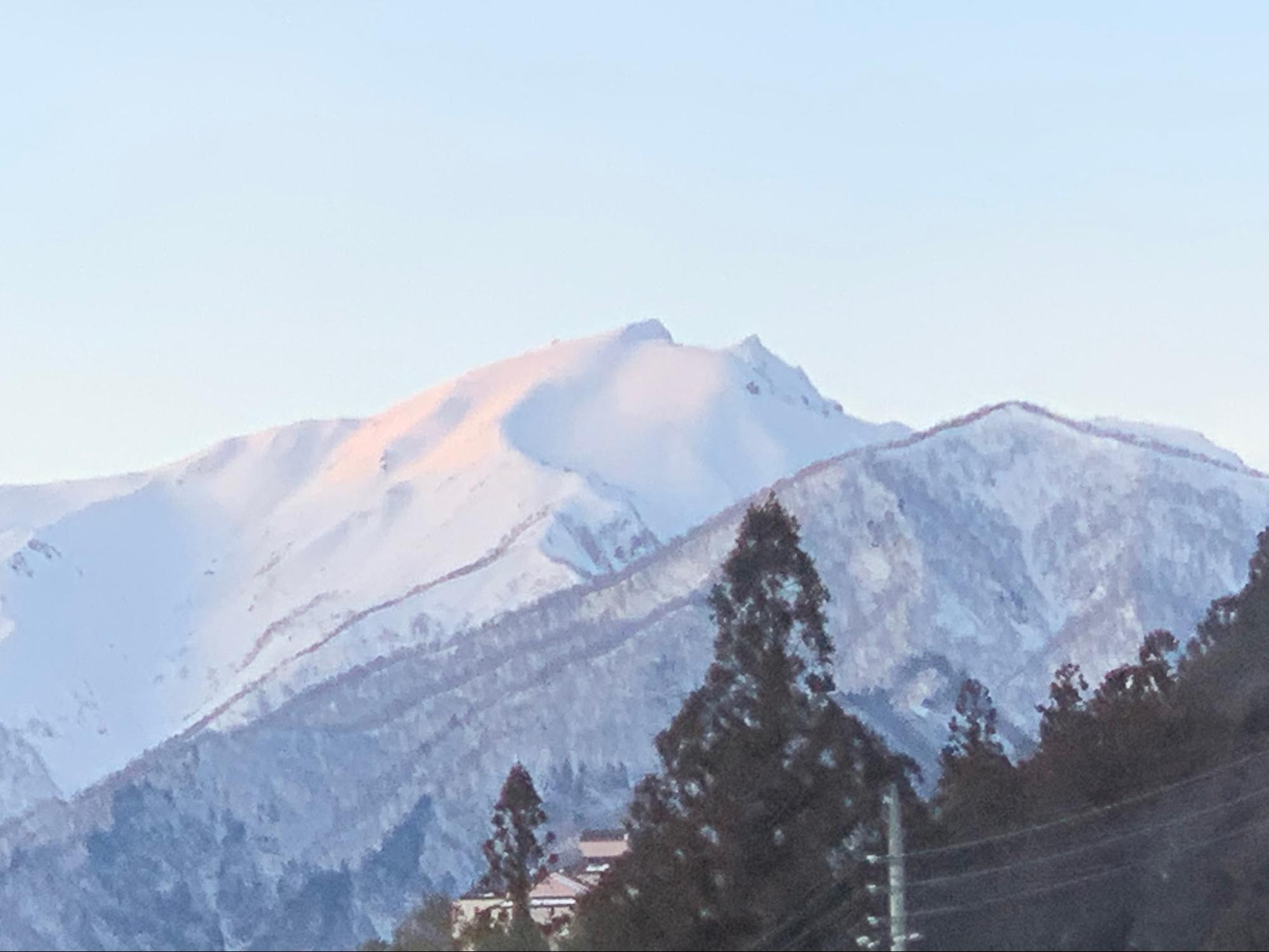
Keisetsu no Yado Syoubun Inn in Minakami 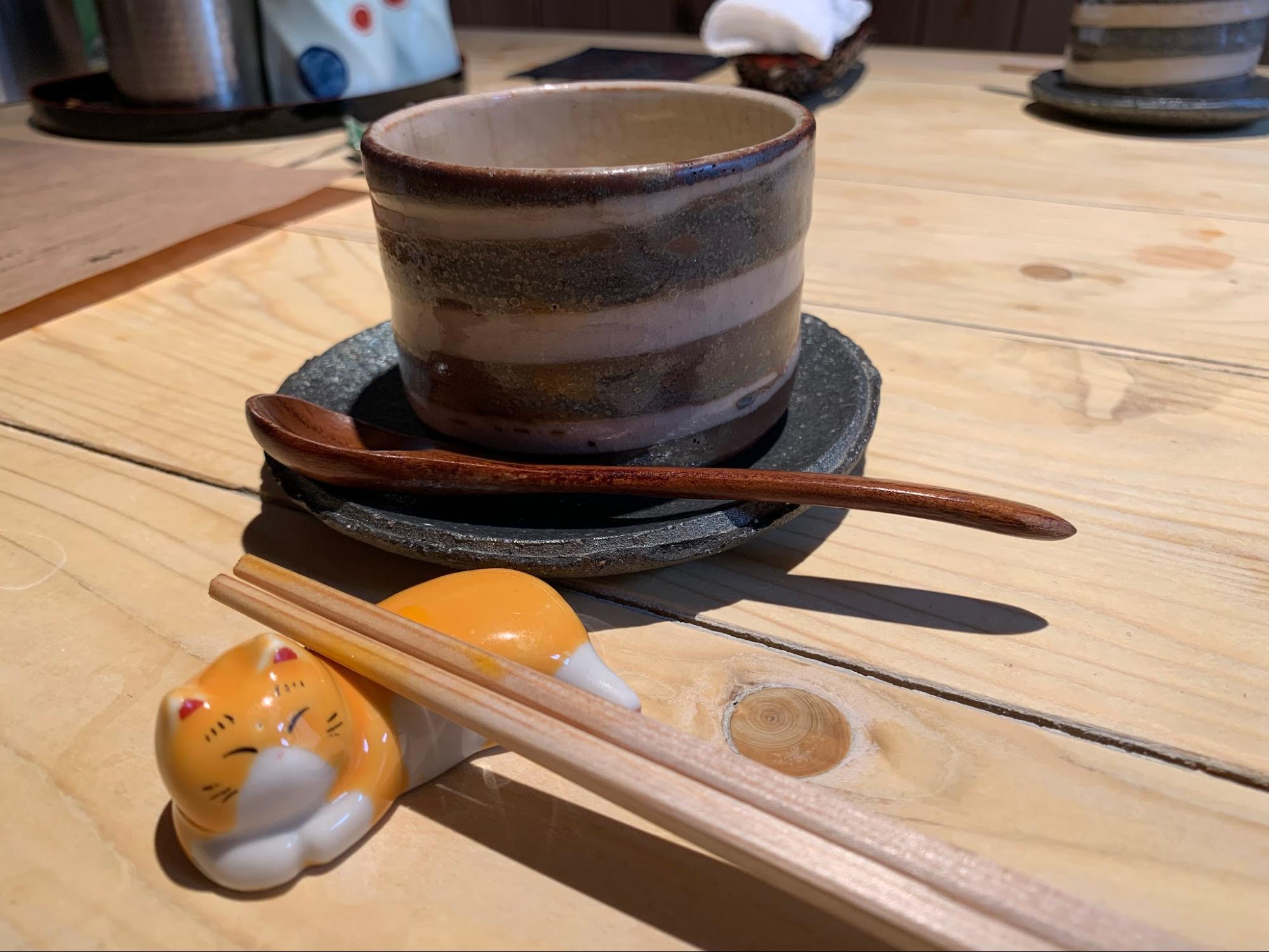
Minakami Mountain Winter Scenery  Video: Keisetsu no Yado Syoubun Inn in Minakami, Gunma Open on YouTube ↗
- Tanigawadake Tenjindaira (locals call it “Tenjin”) is a highly rated ski resort in Gunma Japan. Reportedly the global favorite ski resort of the founder of Burton Snowboards :-). While there is on piste skiing, we recommend Tenjin mostly if you go there for the off piste skiing. There are lots of backcountry options with steep inclines but guides are highly recommended given high avalanche risks in the area. Skiers take the Tanigawadake ropeway up to the actual resort. From there 3 lifts service a varied but limited terrain if you don’t plan to go off piste. At the end of the day, you can ski back to the base instead of downloading on the ropeway. Accommodations are limited. Closest accommodations are at Tenjin Lodge. Here is a video of the Tenjin experience.
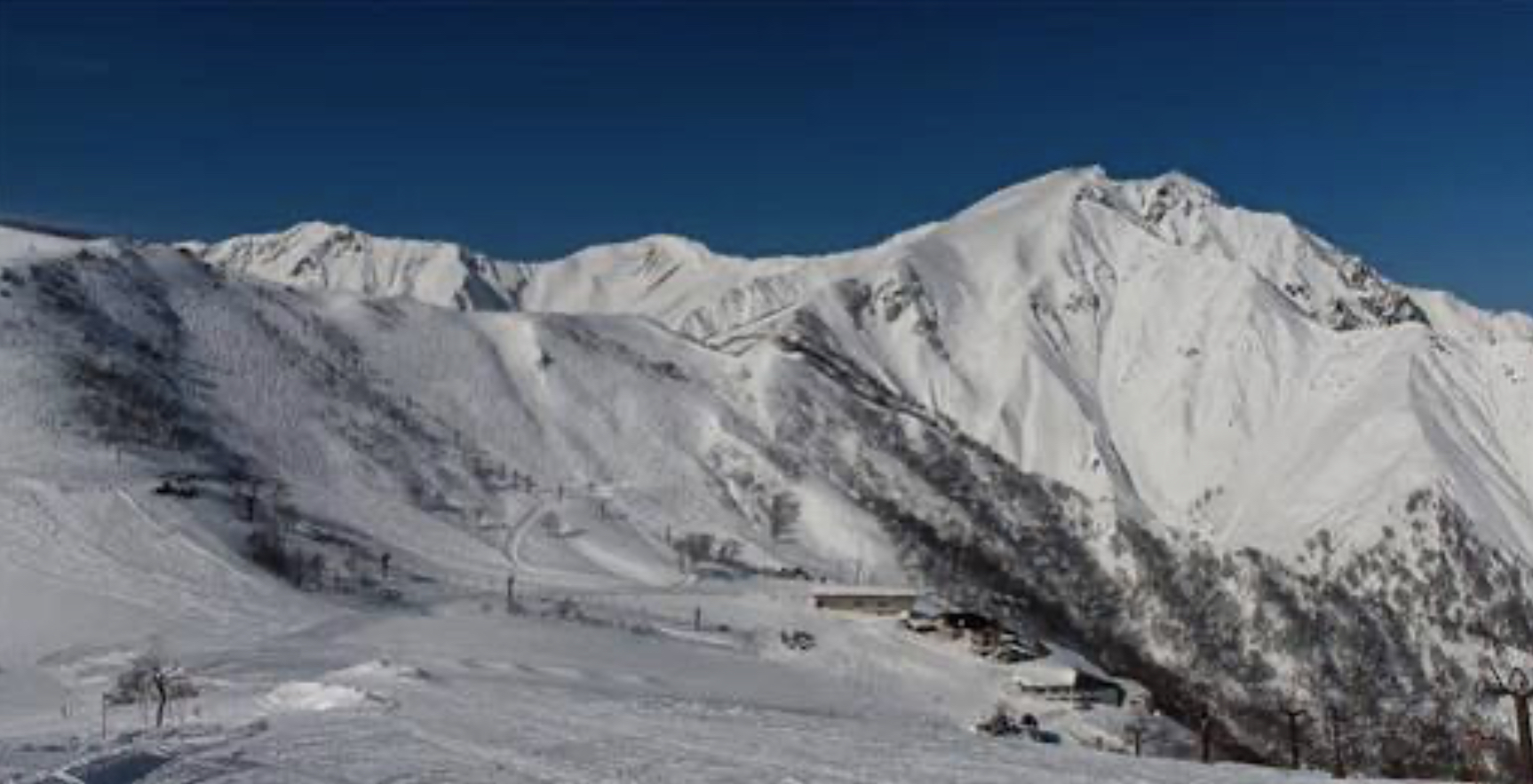
Tanigawadake Tenjindaira Steep Terrain  Video: Tanigawadake Tenjindaira ('Tenjin') Steep Off-Piste Skiing Open on YouTube ↗
- Hodaigi is the largest ski resort in the Minakami area. Its family-friendly wide slopes and decent infrastructure (many but sometimes slow lifts) make it easy to get around. There are a few good expert runs off of the No. 9 and No. 7 lifts, which sometimes close due to high winds. There are a couple of very nice places to stop for lunch and/or coffee, including Cafeteria Pegasus at the base of the No. 6 chair, and the small cafe/bar at the base of No. 1 lift. If you want accommodations close to the resort, it looks like Chalet La Neige is highly rated and has ski in/ski out access from the No.8 chairlift. Given all the great ski resort options in Japan, we would probably only recommend Hodaigi if you were planning to combine it with a trip to the Takaragawa outdoor hot springs that are about a 10-15 minute bus or taxi ride away from Hodaigi. Here is a video of the Hodaigi ski experience.
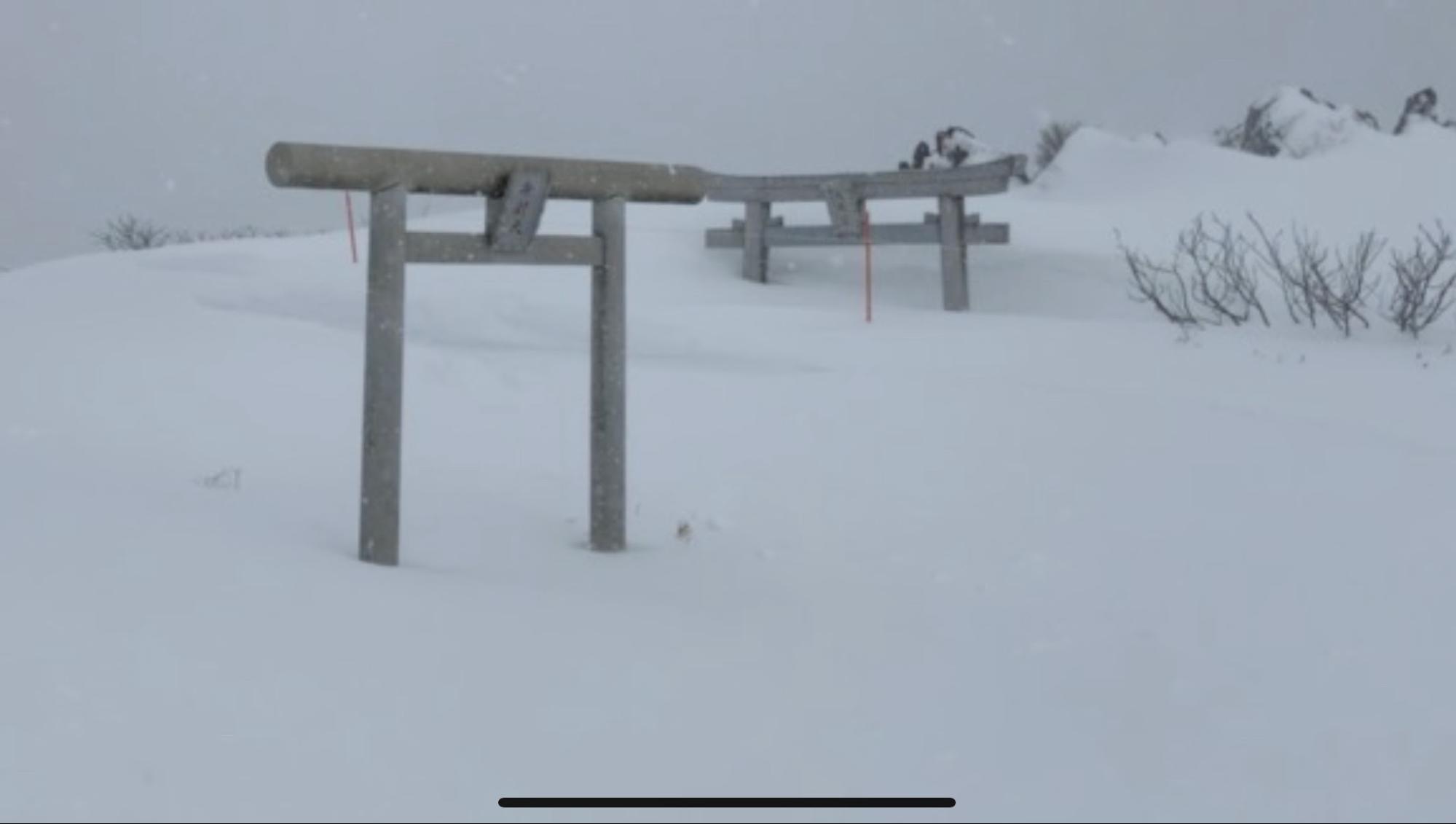
Hodaigi Family Ski Slopes 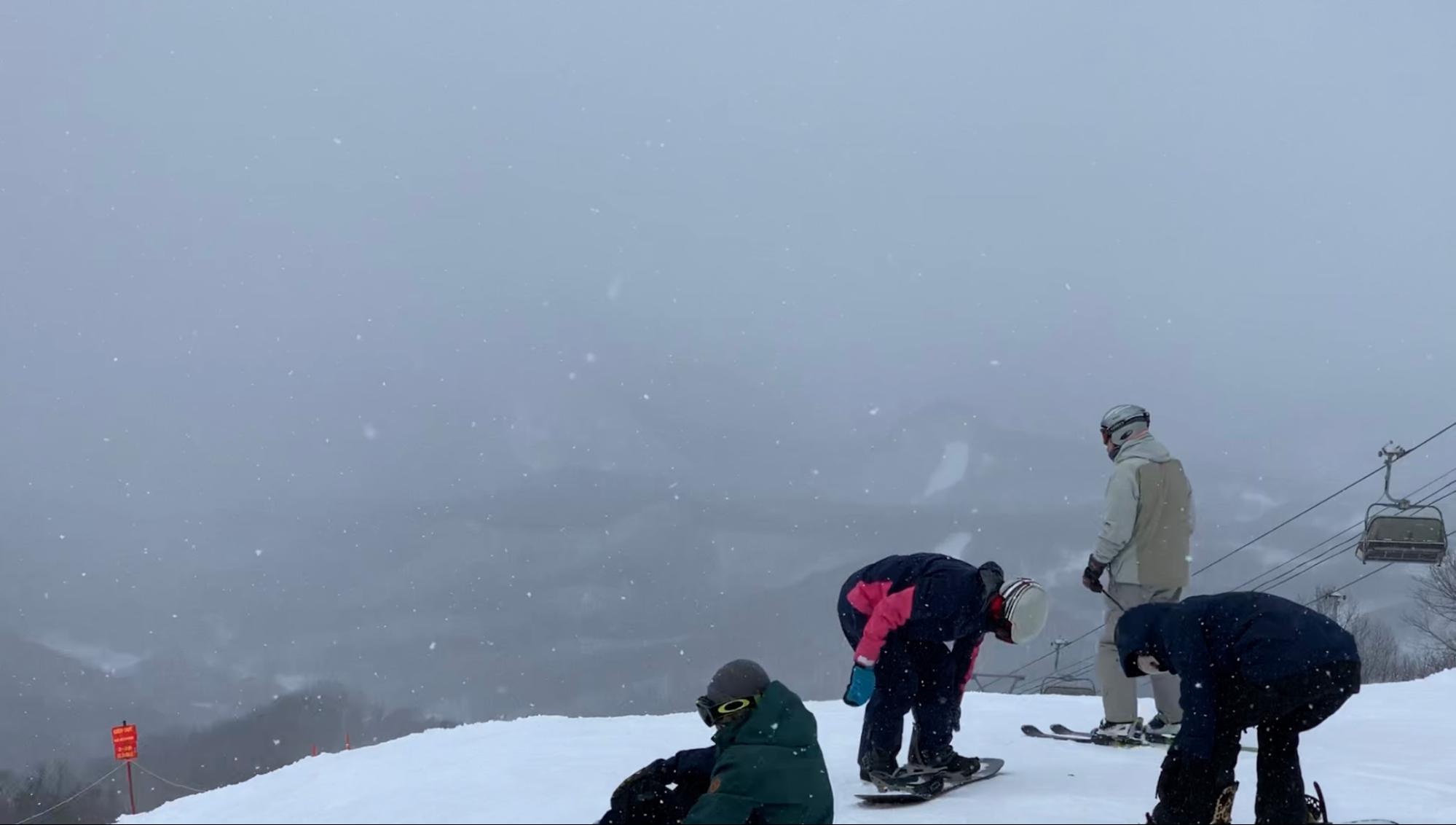
Hodaigi Resort Lifts  Video: Hodaigi Ski Resort in Minakami Open on YouTube ↗
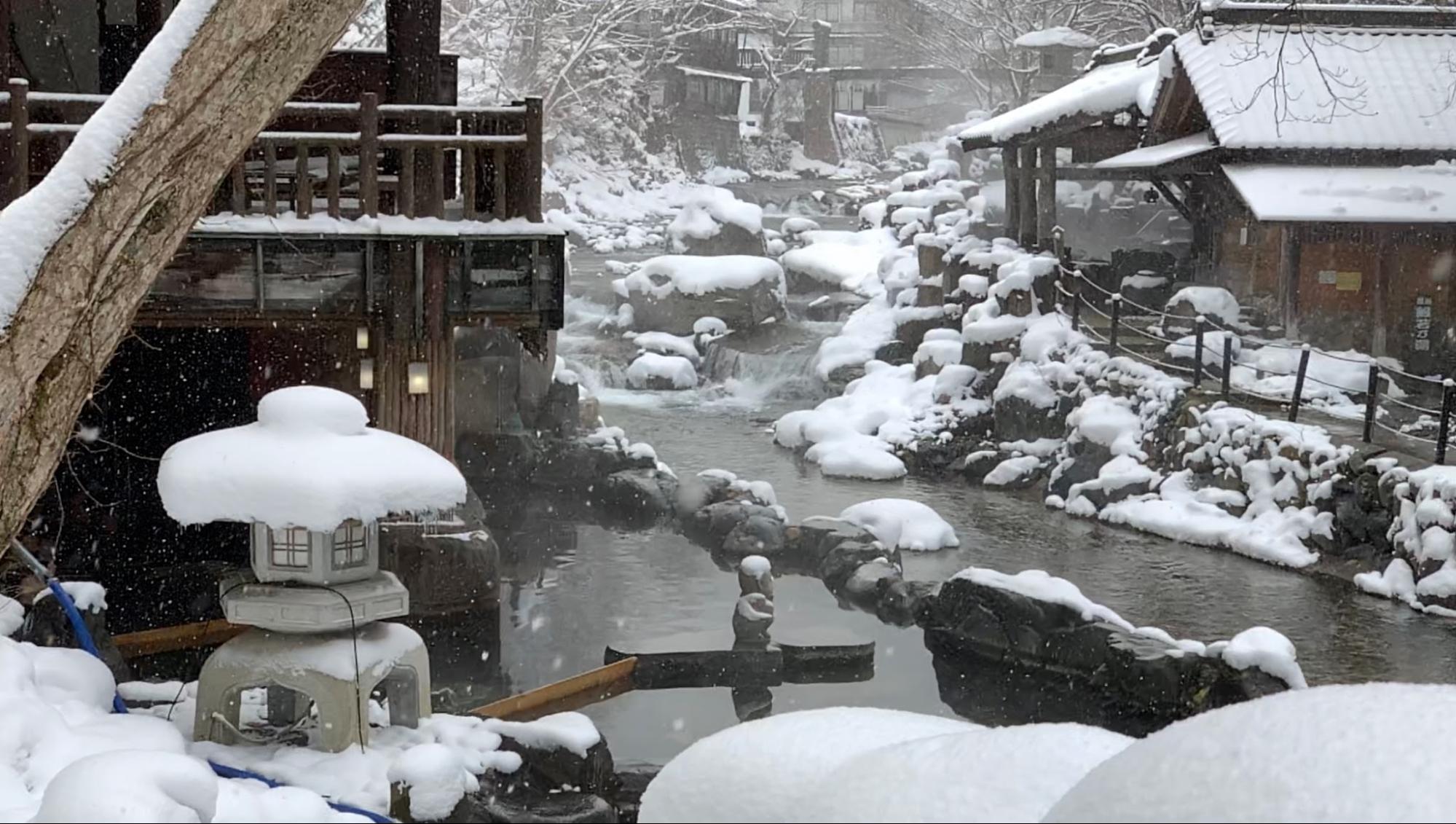
- Takaragawa Onsen Onsenkaku is one of the most famous outdoor hot springs (“rotenburo”) in Japan. It is situated along the banks of a small river valley with multiple outdoor springs that guests can enjoy out in nature. They now provide (and require) guest bathing suits (as of spring 2019) making it easier for everyone to enjoy all the pools. While Takaragawa has accommodations, you can also buy a day pass (Yen 2,000 per person, which includes a rental bathing suit and towel) that gives you access to the indoor and outdoor hot springs. If you are lucky (as we were), and have a chance to visit Takaragawa while there is snow, it is a truly magical place to spend a couple of hours after a day of skiing. We also enjoyed a delicious bowl of udon and a cold beer at the end of the hot spring experience while waiting for our ride back to the bullet train station and our return to Tokyo. Here is a video of what to expect at Takaragawa hot springs.
Takaragawa Onsen Riverside Outdoor Baths 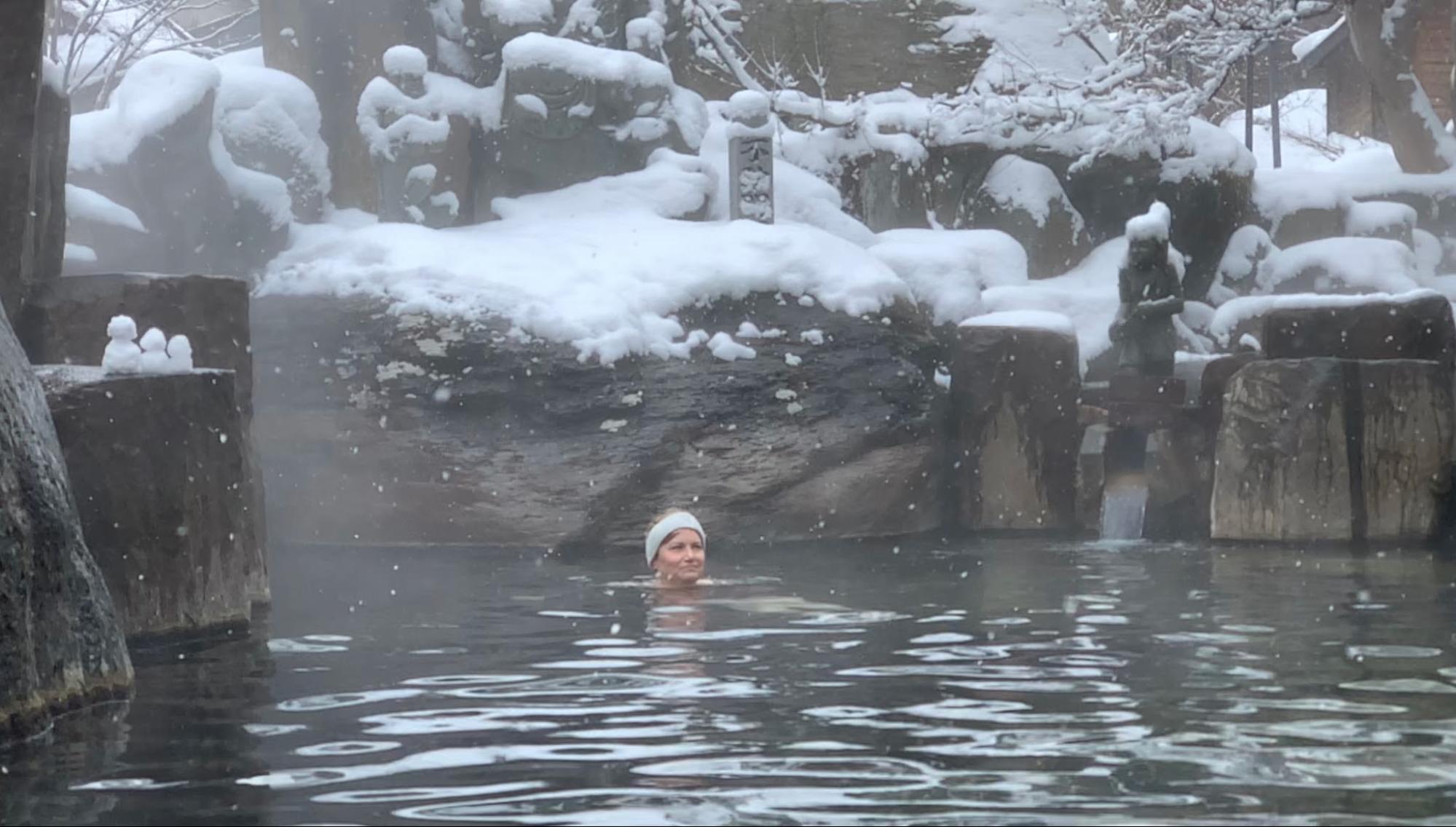
Takaragawa Onsen in Winter Snow  Video: Takaragawa Onsen — Famous Riverside Outdoor Hot Springs in Snow Open on YouTube ↗
Special Section: Niseko Ski Resort in Hokkaido
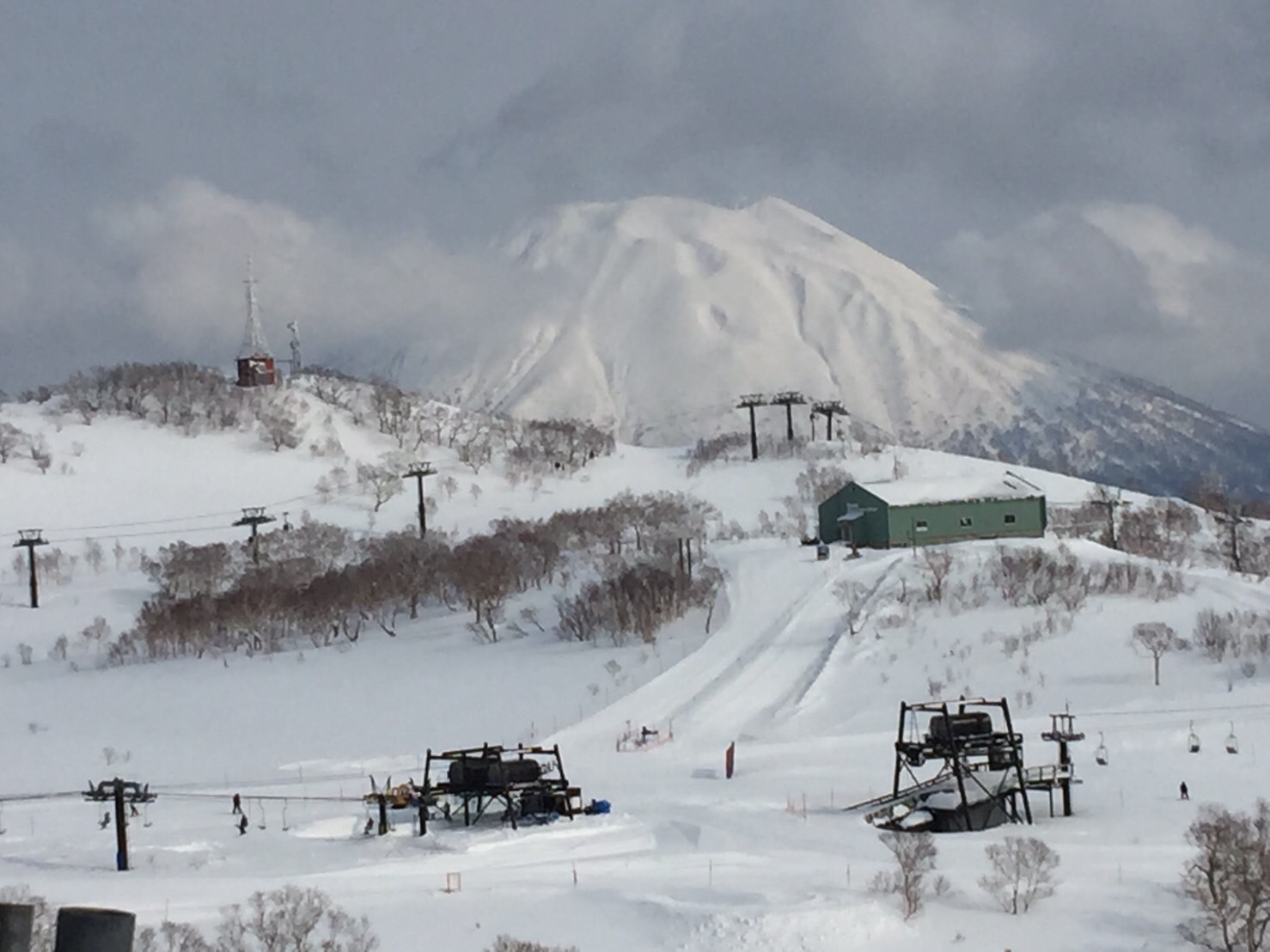
- Niseko may be the most famous ski resort in Japan. Located 100 km south of Sapporo on the Island of Hokkaido, Niseko is comprised of 4 resorts located on one mountain. You are likely to run into more Australians here than Japanese. Seasonal winds from the Eurasian continent pick up moisture over the Sea of Japan and drop lots of powder on this area of Japan; the snow is considered some of driest, lightest powder in the world. It is particularly dry at Niseko because the volcano, Mt. Yotei, which is just to the east of Niseko, pushes the weather systems flowing west to east over Niseko back over the ski resort. The weather though can be hit or miss with white outs very common so unless you are prepared for very harsh (windy and cold) conditions, you may wish to plan your Japan ski vacation on the main island of Honshu, where the conditions are generally milder and more predictable. One thing that definitely sets Niseko apart from other ski resorts in Japan is the resort has a true apres ski scene with lots of bars, restaurants and what you would expect at large international ski resorts. Given that it is not just about skiing at Niseko, don’t miss out on the apres ski opportunities…do your restaurant research and get reservations as far in advance as you can if you want to get into your first choices, especially if you are with a group. Check out this Niseko Ski Video to get a sense for what a 4 day ski vacation at the resort is like.
Niseko United & Mt. Yotei  Video: Niseko Hokkaido — 4-Day Powder Ski Vacation Open on YouTube ↗
- Getting to Niseko: The most convenient way to get to Niseko is by bus from Chitose Airport in Sapporo. We opted for the White Liner. They have an easy to use English website which allows you to book online. Round trip from Chitose Airport to Hirafu Welcome Center takes 2 1/2 hours and costs about 7,000 yen per person.
Arriving in Niseko Hirafu Village - Getting around Niseko: While the four resorts of Niseko United ski resorts are connected at the top, if the snow conditions are not good, the lifts at the top of the mountain can be closed, which means that you cannot ski between all of the sections. Even if the lifts are open and you wish to ski between areas, we would say that the access at the top is best suited for skiers of stronger intermediate ability and above. There are shuttle buses which connect the four areas, but shuttle frequency between different areas varies considerably, making getting between certain areas somewhat challenging. The free bus connecting Hirafu Welcome Center and Hanazono runs every 20 minutes and takes about 15 minutes, however, the bus between Hirafu and Annupuri comes only once an hour and has many stops, so it takes about 40 minutes to make the trip, even though it is only about a 15 minute ride if you go directly. A taxi from Hirafu to Annupuri costs 3,700 yen. If you would like to explore outside of the vicinity of your hotel, we recommend getting your hands on the bus schedules for the city buses as well as the free shuttles and getting an understanding of bus access early on in your stay. The Welcome Center in Grand Hirafu has some schedules, so you can pick some up there when your bus arrives and if you want to research this in advance, you can probably find the routes and schedules online.
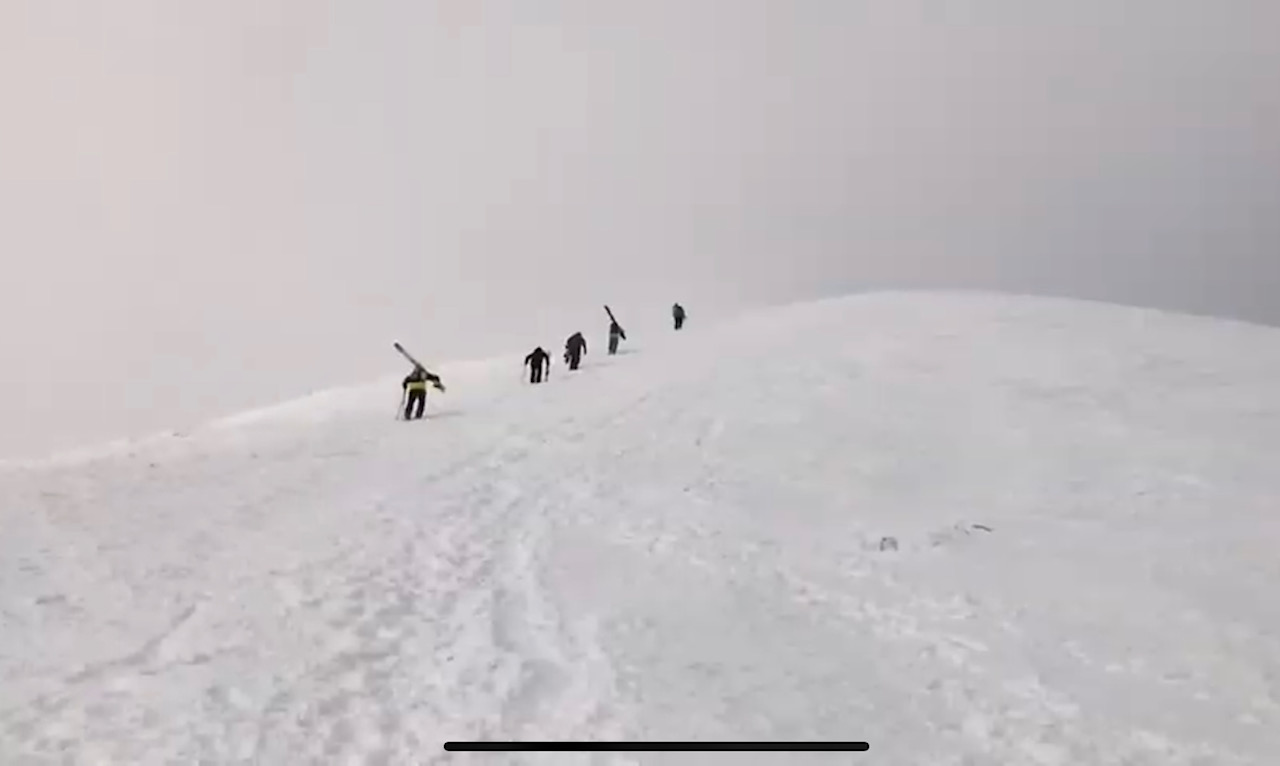
Niseko Peak & Interconnected Resorts - Niseko Hotels: Chalet Ivy (0136-22-1123) is a luxurious 70-room European style boutique hotel located on Hirafuzaka, the main street of Hirafu, in the Upper Village. We chose it because it is well located for getting to the slopes easily as well as being walking distance to the main village and many restaurants. The hotel picked us up at the Welcome Center and gave us a lift to and from the slopes each day. Filled with whimsical and eclectic art, the decor is modern and chic and the property is impeccably clean and well-maintained. There are two connected buildings, one which faces Mt. Yotei (the mini-Mt. Fuji) and the other faces the ski mountain. We always prefer facing the ski mountain so we can keep an eye on the changing ski conditions, but the Mt. Yotei view from most of the rooms on that side of the hotel is really spectacular, so it is a difficult choice. Our Deluxe Onsen Suite had 3 heated water radiant heating units which were silent and kept the room beautifully cozy without fan noise. The bed and furniture were extremely comfortable and the decor was stylish. It was nice to have a private bathtub (with a mountain view!) in the room, but it was not really necessary, as the onsen areas in the hotel are very nice. A cozy bar and plenty of comfortable common areas for relaxing or working outside of your room are kind of unusual in Japanese ski hotels and guests were happily using them. The buffet breakfast offers Western and Asian options and we loved the freshly brewed coffee from the two espresso machines in the breakfast area. There is a spacious and pleasant workout room with state of the art machines, a variety of intriguing equipment, and mirrors. This hotel was a great choice for our 4-night stay in the beginning of March and we had a wonderful, relaxing time.

Chalet Ivy Boutique Hotel in Hirafu
Niseko Dining
There are loads of dining options in Niseko and it can be difficult to choose where to go. Some factors to help you narrow down your options:
- Location…The different parts of Niseko are fairly spread out, and you can be looking at up to a 30 minute drive to get to some restaurants. Taxis are expensive and Uber has not found its way to this part of the world yet, but there are shuttles and city buses and some hotels will provide transportation to dinner and some restaurants provide pickup services for dinner (but not lunch).
- Timing … It seems that the more popular places have two seatings per night, one at 6:00 and one at 8:00 or 8:10. If you take the 6:00 seating, be prepared to be scooted out by 8:00. Some places serve lunch, so you can plan to hit them on days when the mountain is closed or the conditions are less than perfect.
- Sake…We really recommend getting into the sake scene in this area, as it pairs so well with seafood, and a lot of it is produced locally. As sake novices, we just learned that better quality sake is served cold, as the taste is most easily appreciated this way. The cups and tiny pitchers which are used to serve sake are an entire art form unto themselves and the best way to appreciate this is to drink sake, or “Nihonshu,” when dining out. If you are wondering how to choose which sake to order, try asking for a “dry” or “karai” option. This is what we always do and have never been disappointed.
- Seafood…Hokkaido, relatively remote and surrounded by the sea, is one of the best places in Japan to enjoy seafood. Oysters, crab, scallops, clams, salmon … these are some of the most often featured. If you like seafood, opt for seafood choices when dining here.
- The Alpinist: Located on the 3rd floor of the chic new Odin Place dining/shopping complex at the main Hirafu intersection, The Alpinist is a casual, welcoming place with modern decor, a fireplace and views up the ski hill, specializing in crepes and fondue. We loved the crepes and salads, but the French Onion soup was nothing to write home about. There is also a bakery, a brew pub and a bar in this building, all of which looked inviting.
- Del Sole: Wood-fired pizza! Del Sole is about a 3 minute walk from the base of Annupuri, so it is a good option for lunch. The margherita pizza was perfect with a great tomato sauce. Nice wines by the glass and beer on tap. The seating consists of two tables for four, a table for two, and four counter seats. Reservations are mandatory at dinner. No reservations at lunch.
- Rin: Rin is an off-the-beaten-track izakaya in Lower Hirafu village. It was recommended to us by Australian friends who go back to it every year on their annual Niseko trip. Our concierge was able to get us last minute reservations for 8:10 on our first night and we walked there in about 10 minutes from Chalet Ivy in the Upper Village. Rin is truly special. The atmosphere is electric yet cozy. The decor is traditional yet hip. The food is inexpensive yet impeccably fresh. Emphasis on seafood, some excellent salads (the tofu salad was especially memorable). Rin has a hori-gotatsu (Japanese low table, with recessed area underneath so you don’t have to sit on your knees) table for 11, a table for 8, a table for 2, a table for 3-4 and about 4 counter seats. Book it for your first night if at all possible. You will probably want to go back a second time.
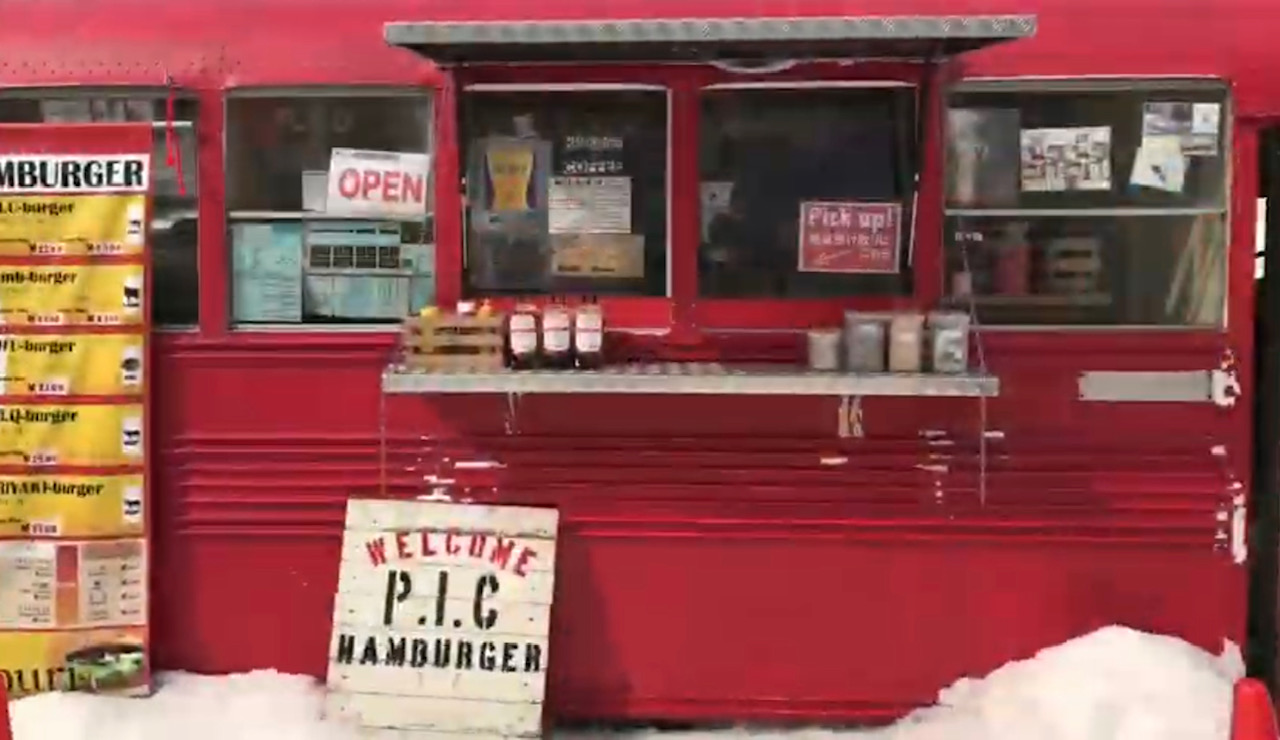
Rin Izakaya in Lower Hirafu - Snow Castle: is the elegant, low-key Japanese restaurant at Chalet Ivy. Highlights were the perfect sushi made by the chef tableside (a first for us) and the personal, careful service, but we loved everything about our meal here. If you are not a big fan of kaiseki cuisine or sushi, do not let that stop you from dining here. The meal was very much oriented toward Western tastes. This place is great if you want to escape from the hustle bustle of the Niseko dining scene but still have a very special meal. Impressive sake and sake presentation, too! They offer course menus at Yen 8,000, 15,000 and higher. We had the 8,000 yen course which was wonderful.
- Asperges Hanazono: Hanazono is the newest of Niseko’s four main ski areas, opened in 1992. A friend alerted us to the existence of this unique on-mountain dining option at the Hanazono base. We didn’t think we would make it there, but we found ourselves in Hanazono at lunchtime on our second ski day. The chef at this restaurant has 3 Michelin stars. The least expensive course menu at dinnertime is 16,000 yen, but at lunch, they serve a three course menu including coffee and dessert for 4,500 yen (plus 15% service charge). The minestrone soup was light and tasty, the oysters on the half shell served with a leaf-wrapped sushi onigiri were refreshing, and the roasted pork with mashed potatoes tender and elegantly presented. The piece de la resistance, though, was dessert. The Ice Cream Souffle appeared at first glance to be a rustic angel food cake, but upon tasting this fluffy concoction, it was vanilla ice cream which dissolved, air-like, on the spoon! Bottles of wine ranged from $100-$700 U.S., so we opted for glasses, which were much more manageably priced. Asperges Hanazono is probably not a good choice with children in tow and not something you want to do every day, but for an elegant midday interlude for a couple or group, we would highly recommend it. (They will come pick up at your lodging for dinner, but not at lunch. It is easily accessible from Hirafu by the Hanazono shuttle which leaves from Hirafu Welcome Center every 20 minutes.)
- Bang Bang: This cozy seafood-oriented izakaya across the street from Chalet Ivy on Hirafuzaka has been in business for 32 years and has a sister restaurant, Bang Bang 2, located next door. The friendly owner, Mr. Saito, makes the rounds greeting guests, many of whom are repeat customers. We had a chef’s choice sashimi platter, a tofu salad, and some yakitori and sake served cold. Popular, so reserve well in advance.
- L'Ocanda: This family run Italian restaurant, located in the East Hirafu Village, is a great choice when you want to take a break from Japanese dining while at Niseko. The whole family participates in running the restaurant. The chef brothers make delightful cakes and authentic Italian cuisine using local ingredients.
Niseko Drinking & Summer Visits
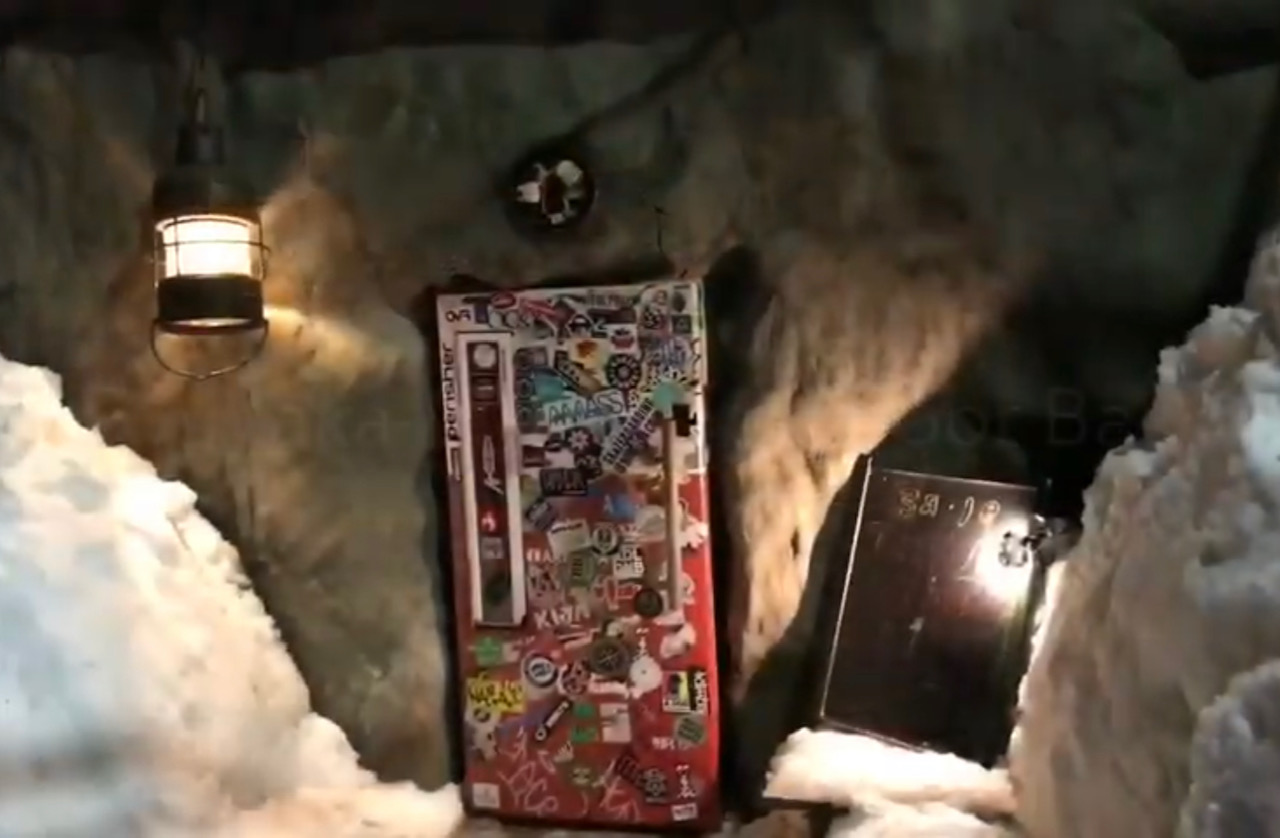
- Gyu Bar (a.k.a. The Fridge Bar): This well-known bar in Lower Hirafu is very popular, so go early unless you want to wait in line to get in. It is nicknamed the Fridge Bar because the front door is the door of an antique Coke machine. At the risk of hyperbole, we must say that this is one of the coolest bars we have ever been to. Order the apple pie cocktail or whatever you like, but go. Just go.
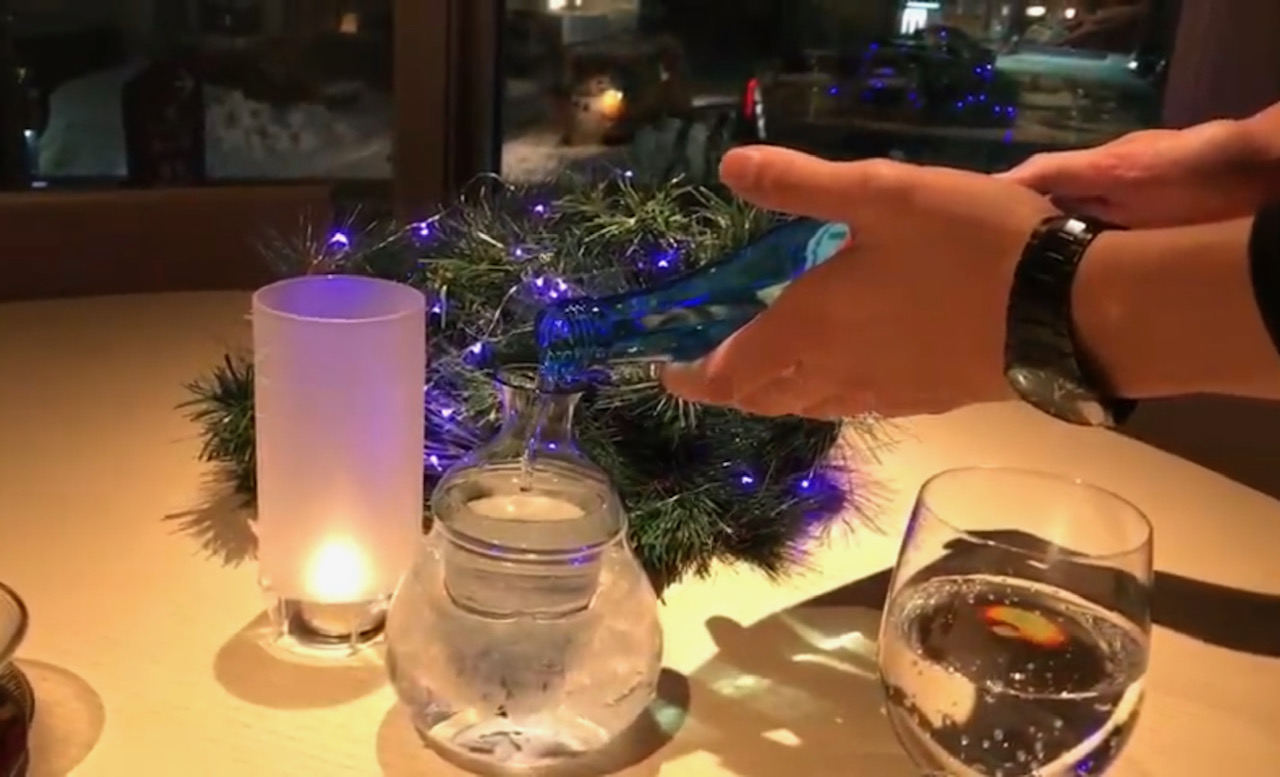
Gyu Bar (The Fridge Bar) Antique Coke Machine Door - Buddha Bar: Another bar with a low door, the interior is spare, the focus is sake, the owner is charming and fun.
- Other recommended places (on our list to try): Rakuichi Soba (Annupuri scratch soba), Villa Lupicia (Italian/Japanese fusion), and Coto Bar (sake bar in Lower Hirafu).
- Niseko in the Summer: Niseko is also a great resort to visit in the summer with golf, tennis, hiking, biking and lots of other adventure/entertainment options that you would expect at a large resort. If you have an extra day in Hokkaido, we would also recommend you check out The Windsor Hotel (location of the 2008 G8 summit), which is about an hour drive from Niseko. This luxurious hotel has its own ski slope (beginner level mostly) and has really amazing views of both Lake Toya that was formed from a volcanic caldera, and Mt. Uzu that last erupted in 2000. It is pricey, but if you have budgeted one splurge night on your Japan vacation, make it here. The atmosphere, service and views are completely spectacular and you will have a memorable experience. The teppanyaki restaurant (reserve well in advance) and the soba restaurant in the hotel are recommended. From the hilltop hotel you can take a private cable car part way down the hill to a fantastic wood-fired pizza restaurant. Here is a video that includes a few vignettes of Niseko and The Windsor Hotel during a Typhoon in Sept 2013.
 Video: Niseko & The Windsor Hotel Toya During a September Typhoon Open on YouTube ↗
- For more information on Niseko, here is a link to a recent (Feb 2020) informative NY Times article about Niseko. If you want more detailed information about skiing in Japan, go to the website, Powder Hounds Japan, which has a lot of good detail about resort terrain levels, apre ski, locations to stay, etc. for all ski resorts in Japan.
Niseko Summer & Lake Toya Views